


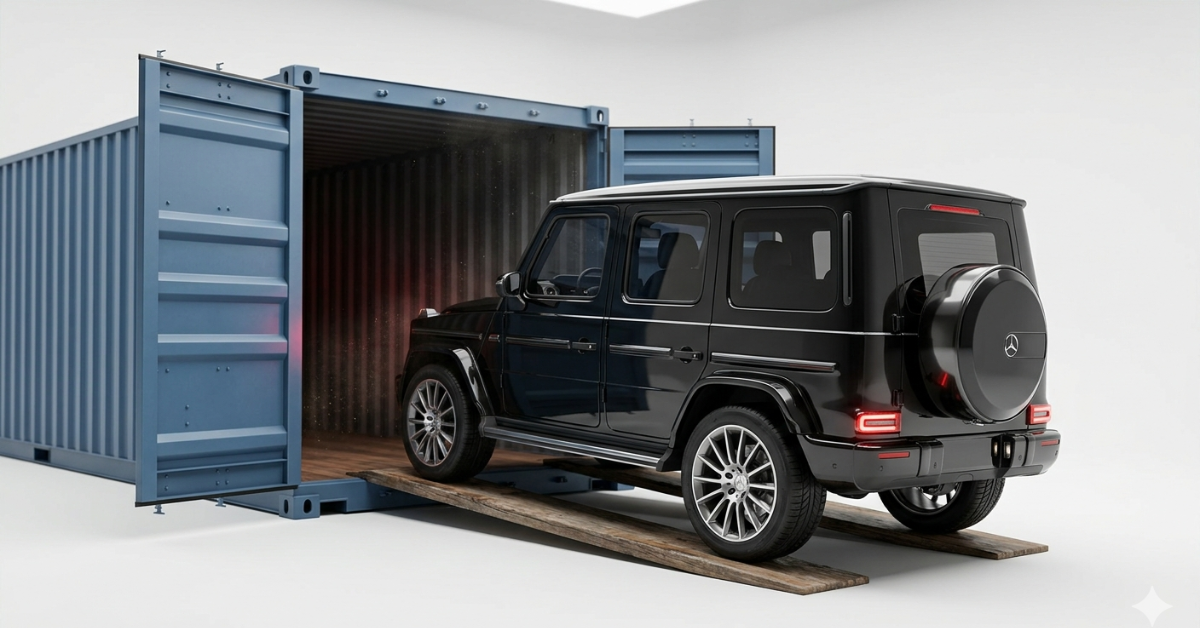
Container shipping stands as the backbone of international vehicle transportation, enabling JDM cars, luxury SUVs, hybrids, electric vehicles, and even non-running project cars to safely traverse oceans and reach destinations worldwide.
For buyers who demand the highest level of security for their investment, whether a Lexus LX 600 heading to Kenya, a Porsche 911 bound for Germany, or a classic Nissan Skyline destined for Poland, container shipping offers unparalleled protection against the elements, theft, and damage.
Since its founding, TokyoCarZ has perfected the art of loading and transporting vehicles in containers, delivering dream machines to collectors, dealers, and enthusiasts across Africa, Europe, Australia, the Middle East, and the Americas.
This comprehensive guide explores the intricacies of container shipping from Japan, from the fundamentals of how vehicles are secured inside a 20ft or 40ft container to the specialised techniques for transporting high-value JDM, hybrid, electric, and non-running cars.
What is Container Shipping and Why Choose It for Vehicle Transport?
Container shipping involves transporting goods in large, standardised steel boxes that can be easily transferred between ships and trucks without unloading the cargo inside.
For vehicle transportation, unlike RoRo (Roll-on/Roll-off) shipping, where vehicles are driven onto a specialised vessel and parked in open decks exposed to potential damage, container shipping places your car inside a sealed, lockable steel box.
This single difference transforms the entire shipping experience.
Why Choose Container Shipping for Your Vehicle?
| Reason | Benefit |
|---|---|
| Total Weather Protection | Your car is never exposed to saltwater spray, rain, direct sunlight, or extreme temperatures during the voyage |
| Maximum Security | A sealed, lockable container prevents theft, vandalism, and tampering; cargo theft is virtually eliminated |
| Lower Insurance Costs | Carriers offer better rates for containerised cargo because loss and damage claims are significantly lower |
| Non-Running Vehicles Accepted | Cars that cannot be driven can be loaded via forklift, unlike RoRo, which requires the vehicle to be driven onto the ship |
| Mixed Cargo Flexibility | Ship spare parts, tools, household goods, or personal items alongside your vehicle in the same container |
| Multi-Vehicle Savings | A single 40ft container can hold 2–3 small cars or one large SUV, with space for parts, sharing the freight cost |
Container Types and Dimensions: Choosing the Right Size
Selecting the appropriate container size is crucial for efficient vehicle shipping. Below is a summary of the most common container types used for vehicle transport from Japan.
| Container Type | Interior Length | Interior Width | Interior Height | Best For |
|---|---|---|---|---|
| Standard 20ft | 19’4″ (5.89m) | 7’8″ (2.34m) | 7’10” (2.38m) | One standard car, or two compact cars end-to-end |
| Standard 40ft | 39’5″ (12.01m) | 7’8″ (2.34m) | 7’10” (2.38m) | 2–3 standard cars, or sharing container costs with other buyers |
| High-Cube 40ft | 39’5″ (12.01m) | 7’8″ (2.34m) | 8’10” (2.69m) | Taller vehicles (SUVs, vans, cars with a roof. |
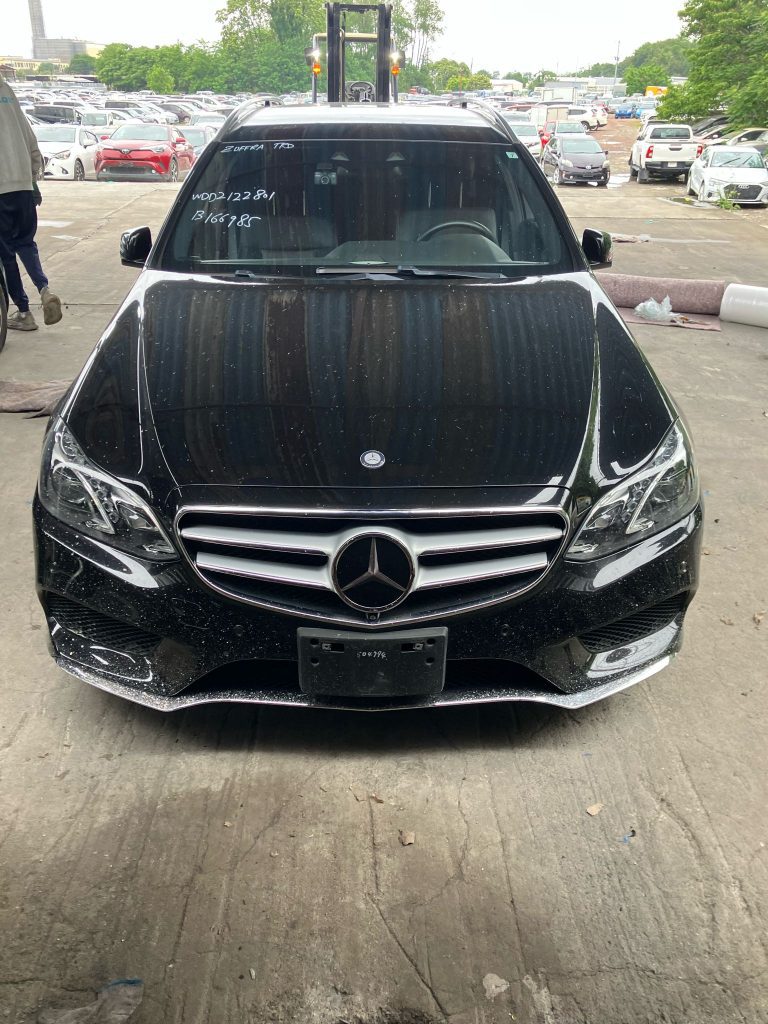
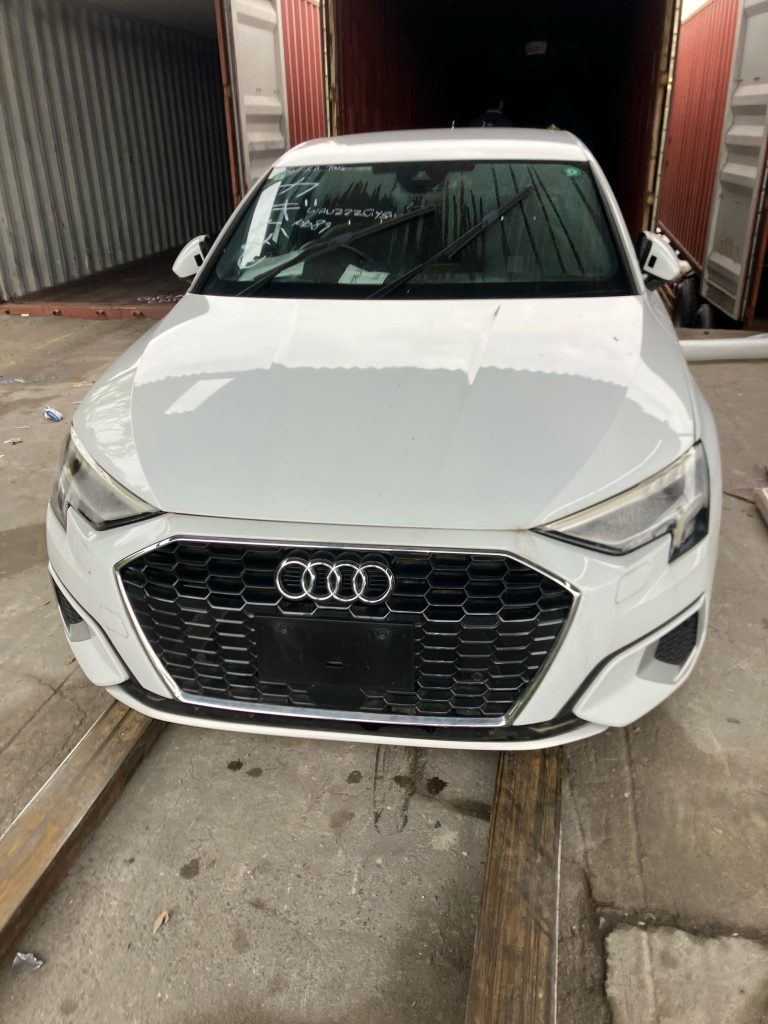
The process of loading vehicles into shipping containers requires precision, expertise, and specialised equipment to ensure safe transit.
Pre-Loading Preparation
Before a vehicle enters a container, several preparatory steps are essential. TokyoCarZ follows a rigorous process to ensure every vehicle is properly protected before shipping.
Step 1: Vehicle Inspection
The loading team conducts a thorough inspection of the vehicle’s condition, taking photographs from multiple angles. This documentation records any existing damage before any work begins, protecting both the buyer and the shipping company. This baseline assessment ensures there is no dispute about whether damage occurred before or after preparation.
- Step 2: Fuel Reduction
The first step is to reduce the fuel tank to approximately one-quarter full. This minimises weight and complies with international shipping regulations for hazardous materials. Doing this early allows any residual fuel vapours to dissipate before the vehicle is enclosed.
- Step 3: Battery Disconnection
The battery is disconnected to prevent discharge during the long voyage. This step is especially important for hybrids and electric vehicles (EVs), which require special battery handling. Disconnecting early ensures the vehicle’s electrical system is completely inactive before wrapping and loading.
- Step 4: Alarm Deactivation
Car alarms are deactivated to prevent battery drain and avoid disruptions during the journey. A triggered alarm inside a sealed container can be impossible to reset until arrival. This is typically done immediately after battery disconnection.
- Step 4: Securing Loose Items
All loose components inside the vehicle—floor mats, cargo covers, tools, sunglasses, and any personal items—are removed or secured. This prevents movement and interior damage during transit. Items left loose can become projectiles inside the cabin when the ship encounters rough seas.
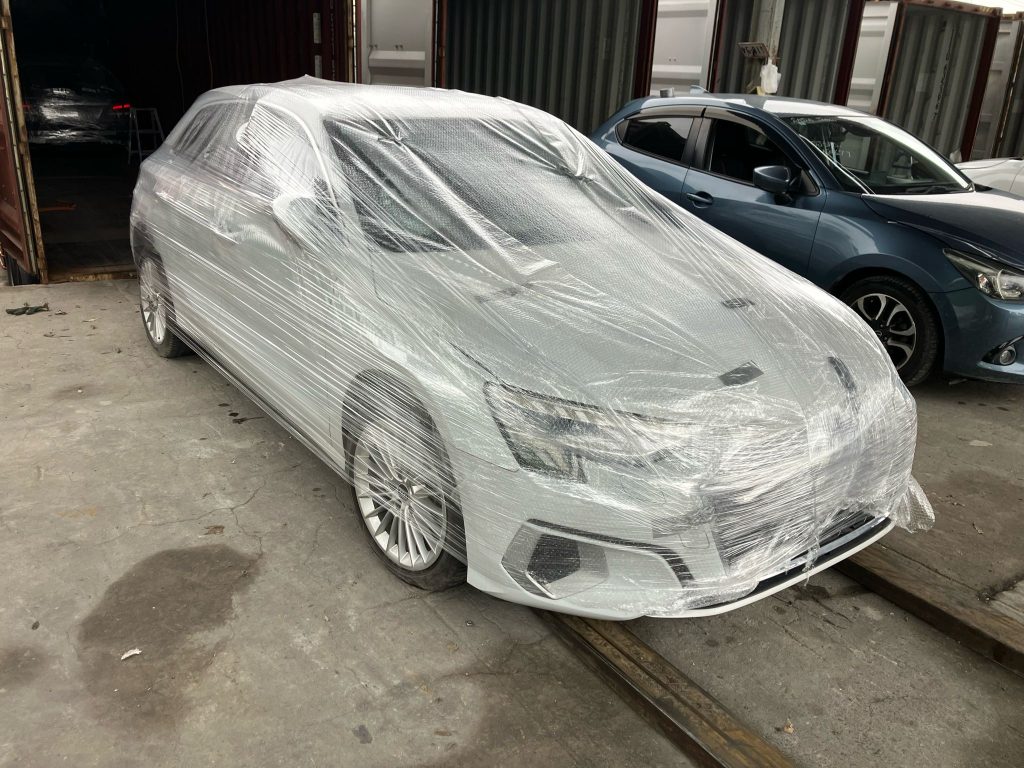
- Step 5: Vinyl Wrap Protection
The vehicle is carefully wrapped with protective plastic (vinyl) from bumper to bumper. This shields the paintwork from scratches, dust, and minor impacts during loading and transit. TokyoCarZ includes it to ensure your vehicle arrives in pristine condition. Wrapping is done last, just before loading, so the protective film is fresh and uncontaminated.

The Loading Process
Once preparation is complete, the loading process begins:
Forklift – vehicles are carefully loaded using a forklift with specialised padded forks to prevent undercarriage damage.
Centred Positioning – The vehicle is positioned precisely in the centre of the container to distribute weight evenly and provide clearance on all sides.
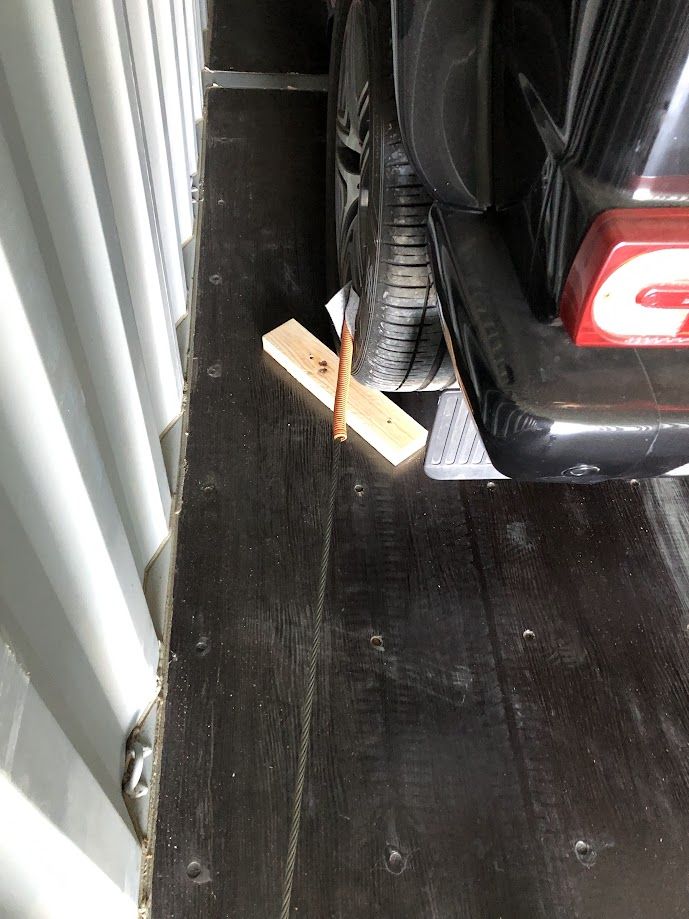
Wheel Chocking – Heavy-duty rubber or plastic wheel chocks are placed in front of and behind each wheel to prevent forward or backward movement.
Securing with Straps – Heavy-duty ratchet straps are attached to the vehicle’s frame or designated tie-down points and anchored to the container’s floor rings.
5. Container Sealing
The container doors are closed and secured with a tamper-proof high-security bolt seal. The seal number is recorded for tracking purposes. Any attempt to open the container during transit will break the seal, providing clear evidence of tampering.
Required Documentation for International Shipping
Gather these essential documents before shipping:
Vehicle title / Export Certificate
Bill of sale / Commercial invoice
Export/import permits (varies by country)
Personal identification (passport)
Power of attorney (if using a customs broker)
Vehicle specifications and VIN
Bill of Lading
TokyoCarZ’s team will guide you through the specific documentation requirements for your destination country.
Destination Arrival and Customs Clearance
Upon arrival at the destination port, our team will recommend trusted clearance agents to coordinate customs clearance. All necessary documentation will already be prepared and delivered to your desired destination, so the clearance process is fast and easy.
- Import duties and taxes are handled according to local requirements.
Final Delivery
The final stage involves container de-vanning by experienced professionals, a final vehicle inspection, and delivery to your specified location.
How to Buy and Import Cars from Japan with TokyoCarZ
Tell us what vehicle you need – Share your budget, preferred model, year, and specifications
Browse auctions or stock – Access live Japanese auctions or choose from our One Price ready-to-ship inventory
Confirm price, condition, and total landed cost – Review auction sheets, photos, and pre-bid inspection reports
Make payment – Secure payment direct to Japan or through JUMVEA Safe Trade (JUST) for security purposes.
We arrange export and shipping – TokyoCarZ handles documentation, shipping, insurance, and Polish customs coordination
Ready to start?
Get in touch today for a personalized consultation and shipping quotation.
Frequently Asked Questions (FAQs)
1: How long does container shipping typically take?
Transit times vary by destination. Expect 3–4 weeks to North America and Australia, 4–6 weeks to Africa, 5–6 weeks to Europe, and 3–4 weeks to the Middle East. Contact TokyoCarZ for destination-specific timelines.
2: Can I track my vehicle during shipping?
Yes. TokyoCarZ provides online tracking information and regular status updates throughout the shipping process using your container number.
3: Is my vehicle insured during container shipping?
Basic marine insurance is included with all shipments. Comprehensive insurance options are available for additional protection. We strongly recommend full coverage for vehicles valued above $10,000.
4: Can I ship a non-running vehicle in a container?
Absolutely. Container shipping is ideal for non-running vehicles, project cars, or partially assembled vehicles. Our specialized forklift loading equipment accommodates these situations.
5: What’s the difference between shared and exclusive container shipping?
Shared (consolidation) shipping involves multiple vehicles in one container to reduce costs. Exclusive container shipping provides a dedicated container for your vehicle(s) alone, offering faster processing and no risk of damage from other cargo.
6: Are there restrictions on what can be shipped with my vehicle?
Yes. Regulations prohibit hazardous materials, perishables, firearms, and certain chemicals. Our team can advise on specific restrictions for your shipment and destination country.
