


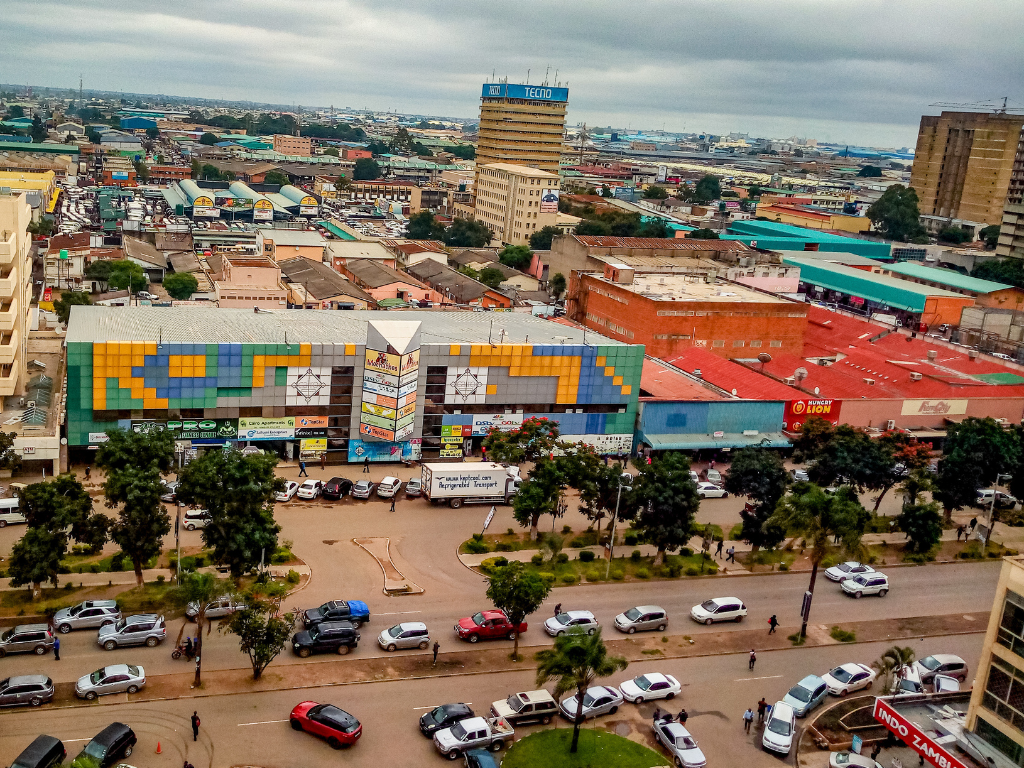
Mwapoleni mukwai! Did you know that you can import cars from Japan to Zambia for 20–40% less than what local dealers charge?
Drive through Lusaka, Kitwe, or Ndola and you’ll notice a pattern. Japanese vehicles are everywhere, often praised for their unmatched reliability, lower running costs, and strong resale value.
According to the Japan Used Motor Vehicle Exporters Association (JUMVEA) , Zambia imported over 2,200 used vehicles from Japan in January 2026 alone, a 27% increase from January 2025. The numbers are clear: more Zambians are choosing to buy directly from the source.
So how do you import cars from Japan to Zambia?
You have two ways to do it. Bid live at Japanese auctions for wholesale prices. Or browse ready-to-import vehicles usually set at fixed prices also known as “One Price” option, for simplicity and certainty.
Fortunately, TokyoCarZ gives you both.
This guide will break down everything you need to know from selecting the right car, understanding ZRA taxes, ZABS inspections, to shipping via Dar es Salaam or Durban, and the final steps to drive your dream car on Zambian roads.
Twende! (Let’s go!)
Why Zambian Buyers Choose Japanese Used Cars
Whether you’re navigating the bustling streets of Lusaka, managing a mining operation in Kitwe, or running a transport business in Ndola, Japanese vehicles have earned their reputation through decades of performance in Zambia.
These are the core reasons thousands of Zambians choose to import cars from Japan to Zambia every year.
- Strict “Shaken” Inspections: Japan’s mandatory bi-annual vehicle inspection is famously rigorous. Owners maintain their cars properly or face expensive repairs. Consequently, most sell before the next inspection is due, creating a market flooded with well-maintained vehicles.
- Low Mileage Culture: Japanese drivers typically cover shorter distances. Commutes are compact, and excellent public transit reduces daily wear. This results in lower mileage on engines, transmissions, and suspension components.
- Right-Hand Drive Compatibility: Zambia drives on the left. Japanese vehicles are right-hand drive by default. Therefore, registration is straightforward, and parts sourcing is simpler.
- Best cars for Zambian Roads: Japanese SUVs and trucks are engineered for reliability, making them ideal for both urban Lusaka and remote Copperbelt or rural terrains.
- Cost Advantage: After accounting for shipping, taxes, and transport, a direct import typically undercuts local dealer prices by 20–40%.
Zambia – Car Import Regulations and Legal Requirements (2026)
Before you start browsing for cars to import, take time to consider the legal framework.
Understanding Zambia’s import duties and legal requirements for Japanese cars isn’t just compliance, it’s the foundation of a successful, stress-free import.
It prevents costly delays, port rejections, and unexpected expenses.
By making compliance your first step, you transform the import process from a daunting gamble into a controlled, predictable, and successful transaction.
These rules come directly from the Zambia Revenue Authority (ZRA) and the Zambia Bureau of Standards (ZABS).
Steering Position and Age Limit
- Right-Hand Drive (RHD) Mandatory
Zambia drives on the left. Therefore, all imported vehicles must be right-hand drive. This aligns perfectly with Japan’s standard configuration.
- Age Limit – No Formal Age Restriction
Unlike Kenya (8-year) age limit, Zambia does not enforce a strict age-based import ban. However,
-
- Vehicles older than 5 years are subject to a 20% surtax based on the value of the vehicle.
- Expect an additional Carbon Emission Surtax fee based on the engine capacity (CC), typically ranging from 150,000 ZMW to 200,000 ZMW for larger engines.
The Japanese car exporters in Zambia will always verify any pending policy changes with ZRA before purchase.
Import Duties and Taxes (ZRA Calculations)
All taxes are calculated on the FOB Value (Free on Board – the cost of the vehicle in Japan) plus freight and insurance. Zambia uses a cascading tax structure, meaning each tax builds on the previous ones.
| Tax Component | Rate | Calculated On |
|---|---|---|
| Import Duty | 15% – 30% | FOB Value + Freight + Insurance |
| Excise Duty | 0% – 40% (engine-dependent) | FOB Value + Freight + Insurance + Import Duty |
| VAT | 16% | FOB Value + Freight + Insurance + Import Duty + Excise Duty |
| Carbon Tax | Applicable for vehicles above 2,000cc | Varies by engine size |
Excise Duty Rates by Engine Capacity (Approximate):
| Engine Capacity | Excise Duty Rate |
|---|---|
| Up to 1500cc | 0% – 15% |
| 1501cc – 2000cc | 15% – 25% |
| 2001cc – 3000cc | 25% – 30% |
| Above 3000cc | 30% – 40% |
Note: Hybrid and electric vehicles may qualify for reduced excise duty rates. You can calculate these fees using the Zambia Revenue Authority online motor vehicle tax calculator.
Real-World Cost Example:
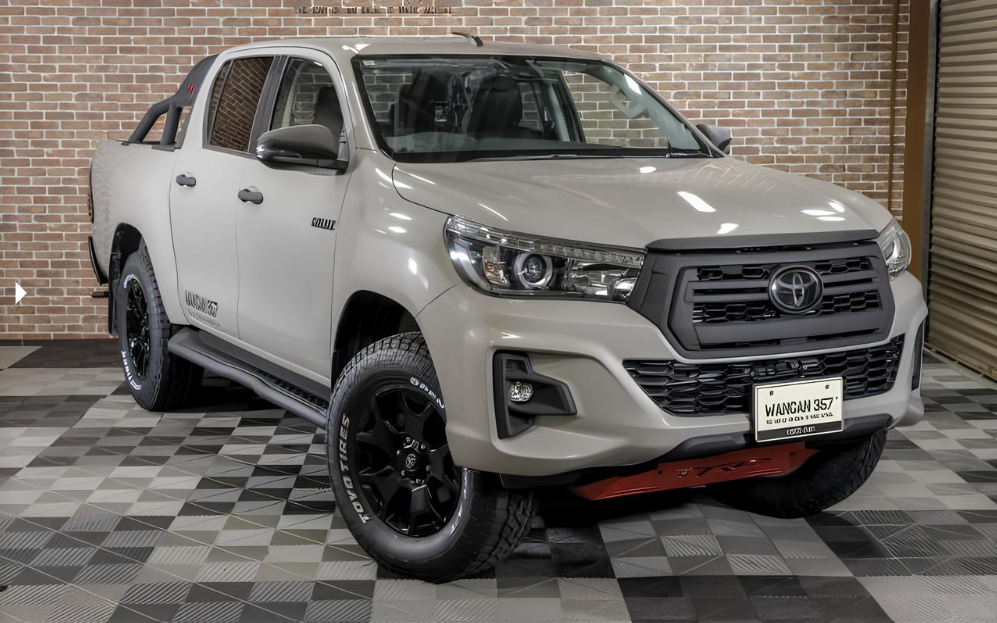
Consider a 2018 Toyota Hilux Double Cab with a FOB value of USD 10,000. What would be the total cost to import the car from Japan to Zambia?
| Component | Calculation | Amount (USD) |
|---|---|---|
| FOB Value + Freight + Insurance | – | 12,500 |
| Import Duty (20%) | 12,500 × 20% | 2,500 |
| Excise Duty (25% for 2,500cc) | (12,500 + 2,500) × 25% | 3,750 |
| VAT (16%) | (12,500 + 2,500 + 3,750) × 16% | 3,000 |
| Carbon Tax (estimate) | – | 500 |
| Total Taxes | – | 9,750 |
| Port Handling & Transport (Dar to Lusaka) | – | 2,000 |
| Total Landing Cost | – | 22,250 |
This compares favorably to local dealer prices, which often exceed USD 28,000–30,000 for similar Hilux models .
ZABS Inspection (Zambia Bureau of Standards)
Every vehicle must undergo a pre-shipment inspection in Japan by a ZABS-approved agent (such as Quality Inspection Services Inc. Japan (QISJ), EAA Company Limited ), Auto Terminal Japan (ATJ) or Africa Automotive Analysis (AAA). This inspection verifies:
-
Roadworthiness (brakes, lights, suspension, tires)
-
Structural integrity (no major accident damage)
-
Mileage accuracy
-
Overall safety compliance
The Roadworthiness Inspection (RIW) Report is mandatory for customs clearance in Zambia.
Vehicles shipped without undergoing the inspection by ZCSA appointed agents incurs a penalty which depends on the motor vehicle size.
Shipping Routes: Japan → Dar es Salaam / Durban → Zambia
Zambia is landlocked. Therefore, all sea shipments arrive at either:
-
Port of Dar es Salaam, Tanzania (most common for Lusaka and Northern Zambia)
-
Port of Durban, South Africa (alternative for Southern Zambia)
Cross-Border Transport: After clearance at the port, vehicles are transported by truck to Lusaka via the Nakonde border (from Dar es Salaam) or the Chirundu/Livingstone border (from Durban).
How to Import Your Car from Japan to Zambia (Step-by-Step)
Now that you have a solid understanding of the legal regulations and requirements, you are ready to bring your dream car home. The process may seem complex especially for a beginner, but its not very complicated.
Lets break in down step by step and simplify.
Step 1: Find and Secure The Right Vehicle
The first step to import cars from Japan to Zambia is selecting the right vehicle. You have two main options.
Option A: Access Live Auctions via TokyoCarZ
Japanese auctions happen daily. TokyoCarZ gives you direct access with full translation of auction sheets. You’ll see grades like:
-
Grade 4 or 4.5: Excellent condition, low mileage, minimal wear
-
Grade 3.5: Average for age, normal scratches, runs well
-
Grade R or RA: Repaired damage—the sheet discloses where and how.
Learn more about Japanese auction grades.
Option B: Choose from fixed price inventory/ One-price option. (Skip the bidding process)
Purchasing some vehicles from Japan sometimes will not require you to go through the auction and bidding process. Unlike in the Japan car auctions, prices are fixed. This is often faster and a lot seamless.
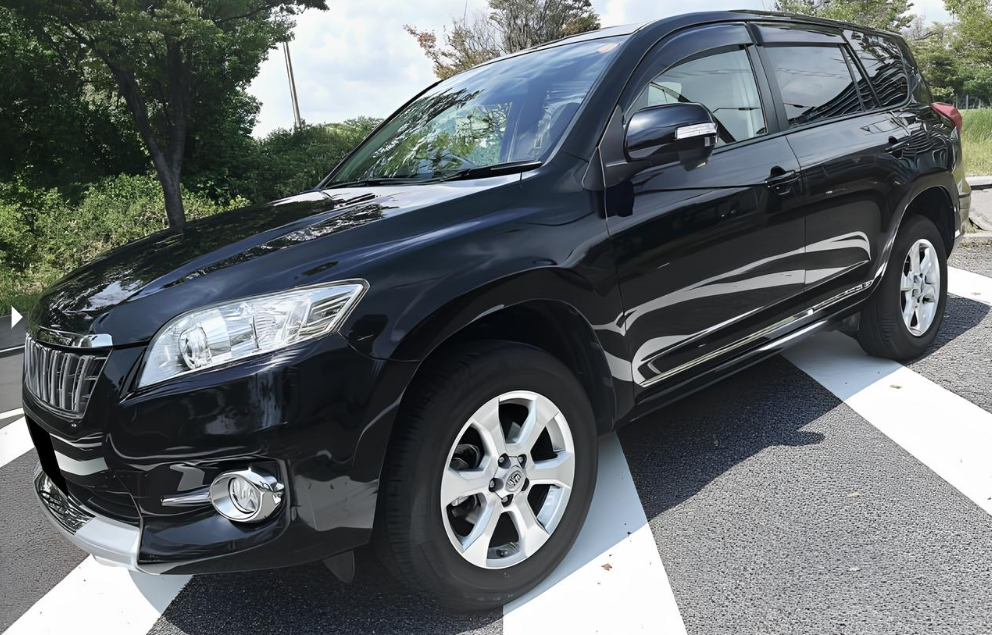
Key advice: Focus on models popular in Zambia like Toyota Hilux, Land Cruiser, Rav4, Vitz, Corolla Axio, Nissan X-trail, and Ford Ranger. For mining and construction, heavy-duty SUVs and trucks are in high demand. For tips on selecting a trustworthy partner, refer to our guide on the 10 best Japanese used car exporters .
Step 2: Payment and Japanese Export Documentation
Once you purchase, TokyoCarZ comes in to handle all Japanese export documentation:
-
Export Certificate (Yushutsu Shoumeisho): The most important document for Zambian registration. Proves the vehicle was legally exported.
-
Deregistration Certificate: Proof the car is no longer registered in Japan.
-
ZABS Pre-Shipment Inspection Certificate: Vehicle roadworthiness inspection certificate is arranged in Japan before shipping.
Payment Protection: Funds are handled securely. TokyoCarZ’s JUMVEA Safe Trade (JUST) membership provides 100% money protection which means your payment can be refunded if delivery fails.
Step 3: Shipping and Insurance to Dar es Salaam or Durban
Your car is shipped via Ro-Ro (Roll-on/Roll-off) from Japanese ports to your chosen port(Dar es Salaam or Durban). This is the most cost-effective method for running vehicles.
Choose container Shipping if you prefer extra protection for your vehicle, often available at a higher cost.
From your preferred port, your car will then be transported overland to Zambia.
Marine Insurance: TokyoCarZ manages full replacement value coverage incase ships encounter rough weather or containers shift.
Insurance is inexpensive compared to losing your investment.
Throughout the voyage, we provide real-time vessel tracking so you know exactly where your car is.
Step 4: Clearance at Port and Transport to Lusaka
At the Port: A licensed clearing agent (coordinated by TokyoCarZ) handles:
-
Port authority clearance
-
ZABS inspection verification
-
Payment of transit fees and duties
Cross-Border Transport: The vehicle is loaded onto a truck and transported to Zambia via the Nakonde border (from Dar es Salaam) or Chirundu border (from Durban).
Final Clearance in Zambia: At the border or in Lusaka, ZRA assesses final duties and taxes using the FOB value and vehicle details. Once paid, the vehicle is released.
Registration: Final step is registering with ZRA and the local council (Lusaka City Council or relevant authority) for Zambian license plates.
Best-Selling & Recommended Cars in Zambia by Category
Best Pickups & Commercial Vehicles
Ideal for mining, construction, farming, and safari tourism. Known for durability and high resale value.
-
Toyota Hilux – The undisputed king of Zambian workhorses
-
Ford Ranger/Explorer – Popular alternative with strong local support
-
Isuzu D-Max / KB Series – Reliable and fuel-efficient
-
Nissan NP300 / Hardbody
Best Family SUVs & Off-Road Cars in Zambia
Built for Zambian roads, from Lusaka streets to remote game parks.
-
Toyota Land Cruiser (Prado, 70 Series) – The ultimate safari and mining vehicle
-
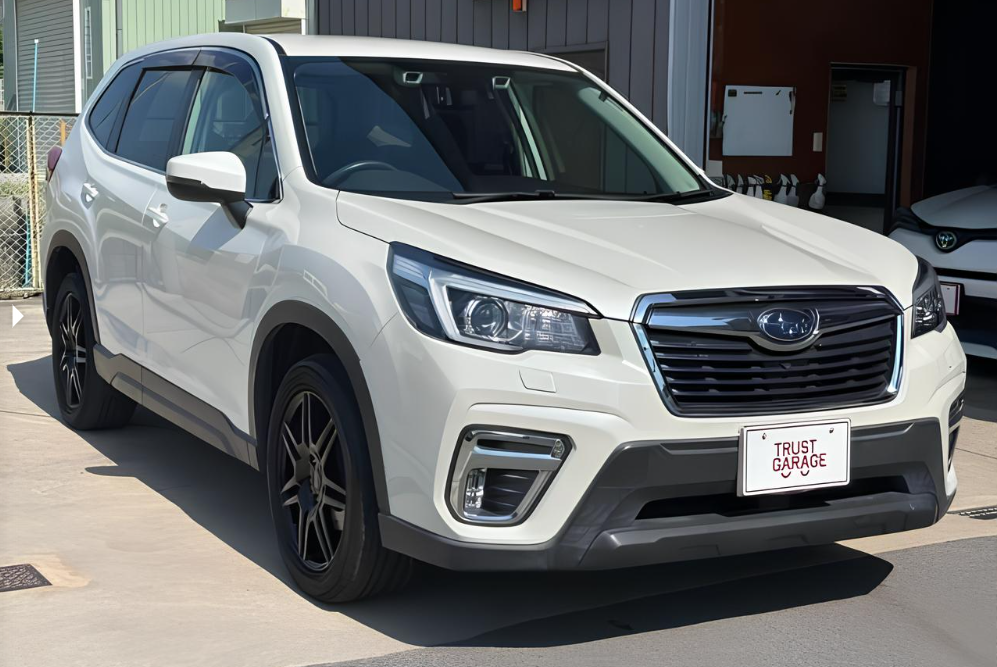
Toyota Rav4/Subaru Forester – Popular urban SUV
-
Nissan X-Trail / Patrol – Spacious and capable
-
Mitsubishi Pajero / Montero – Strong off-road reputation
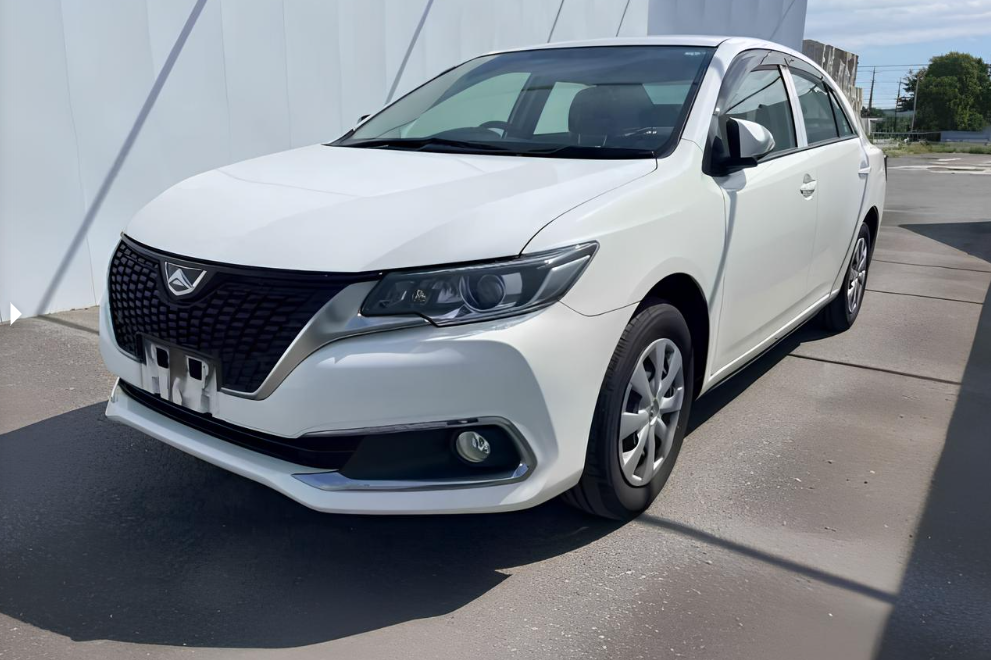
Best Fuel-Efficient Sedans & Hatchbacks in Zambia
Perfect for daily commuting in Lusaka, Kitwe, and Ndola. Low running costs.
The TokyoCarZ Advantage for Zambian Buyers
- Auction & Market Expertise: We provide direct access to Japan’s largest auctions with real-time bidding on 100,000+ vehicles monthly.
- One Price Option: Prefer certainty over bidding? Browse our ready-to-ship vehicles with fixed pricing—no surprises, no auction pressure.
- Unmatched Transparency: No hidden fees. Clear cost breakdowns, honest auction sheet translations, and full documentation.
- Compliance-First Approach: We stay updated on ZRA, ZABS, and Zambian import regulations. Therefore, your vehicle selection and documentation are compliant from day one.
- End-to-End Guidance: A personal advisor guides you from search to final delivery in Lusaka. One point of contact throughout.
- Logistics Network: We have established relationships with clearing agents at Dar es Salaam and Durban, and trusted transporters to Zambia. Consequently, your vehicle moves smoothly across borders.
- Dual Presence: Operates from Yokohama, Japan (at the source of auctions) with a dedicated support team serving Zambian buyers—giving you practical knowledge of both auction systems and local import requirements.
Frequently Asked Questions (FAQs) – 2026 Zambia Focus
Q1: What is the maximum age of a used car I can import to Zambia?
A: Unlike Kenya (8-year) or Tanzania (10-year), Zambia does not have a strict age-based import ban. However, older vehicles may face higher excise duties and stricter ZABS inspection scrutiny. Always verify current ZRA regulations before bidding.
Q2: How are import taxes calculated for a car from Japan to Zambia?
A: Taxes are based on the FOB Value (vehicle cost in Japan) plus freight and insurance. They include Import Duty (15–25%), Excise Duty (engine-dependent, 0–40%), and VAT (16%). Additionally, carbon tax applies for larger engines.
Q3: Do I need an inspection in Japan before shipping?
A: Yes, it is mandatory. All used vehicles imported to Zambia must undergo a pre-shipment inspection by a ZABS-approved agent (like SGS) in Japan. This produces a Certificate of Roadworthiness required for clearance.
Q4: Which port should I ship to for Zambia?
A: Most importers use Dar es Salaam, Tanzania, which connects to Lusaka via the Nakonde border. Alternatively, Durban, South Africa is used for Southern Zambia, connecting via Chirundu or Livingstone.
Q5: How long does shipping take from Japan to Zambia?
A: Sea freight to Dar es Salaam takes 4–6 weeks, with overland transport to Lusaka adding 3–7 days. Total timeline: 5–8 weeks to Lusaka.
Q6: Can I import a hybrid or electric vehicle to Zambia?
A: Yes. Hybrids (like Toyota Aqua, Prius, or Nissan Note e-Power) often qualify for reduced excise duty rates, making them an attractive option. However, confirm current ZRA rates before bidding.
Q7: Is it cheaper to import a car from Japan or buy locally in Zambia?
A: In most cases, importing directly from Japan is 20–40% cheaper than buying a comparable vehicle from a local dealer in Lusaka or Kitwe. However, the trade-off is the 8–12 week waiting period.
Q8: What documents do I need to register my imported car in Zambia?
A: You will need:
-
Export Certificate (Yushutsu Shoumeisho)
-
ZABS Certificate of Roadworthiness
-
Bill of Lading
-
ZRA Tax Assessment and Payment Receipt
-
Personal identification (Passport or National ID)
-
Local council registration fees (Lusaka City Council, etc.)
Q9: What are the most popular Japanese cars in Zambia?
A: The Toyota Hilux is the most popular vehicle overall. Other favorites include the Toyota Land Cruiser, Toyota Rav4, Toyota Vitz, and Honda Fit.
Q10: Can I track my car during shipping?
A: Yes. Your shipping line provides a Bill of Lading number and vessel name. You can track the ship’s location in real-time via marine tracking websites. TokyoCarZ provides this information to all buyers.
Conclusion & Next Steps
Successfully importing a car from Japan to Zambia requires understanding three critical pillars: ZRA tax structures, ZABS pre-shipment inspection, and logistics via Dar es Salaam or Durban. When these elements are handled correctly, the process becomes predictable and rewarding.
Importing your car from Japan to Zambia opens the door to exceptional quality, wider selection, and significant cost savings. With the right partner, the journey from auction to Lusaka is straightforward and transparent.
Ready to import your dream vehicle? Visit TokyoCarZ to browse current auction inventory, check your preferred model’s eligibility, or contact our team for a personalized consultation. We’ll guide you every step of the way—from Japan to Zambia.
Related Resources:
