



Are you looking to import a SUV from Japan? Here are 5 Best Most Reliable SUVs worth buying.
Not every SUV is actually a good family upgrade. Some sacrifice cargo space for style. Others compromise rear-seat comfort for sporty handling. A few are simply outdated.
After analysing the latest reviews and real-world family needs, these five Japanese SUVs genuinely deliver for families in 2026.
Learn more about the step-by-step process of importing cars from Japan.
Why These 5 SUVs Made the List
Before diving into each model, understand the criteria:
Safety: Advanced driver assistance systems and crash test scores
Space: Rear-seat room for child seats and cargo capacity
Reliability: Long-term ownership costs
Value: Price vs features for families
Practicality: Ease of loading kids, groceries, and gear
5 Best Most Reliable SUVs Worth buying in 2026
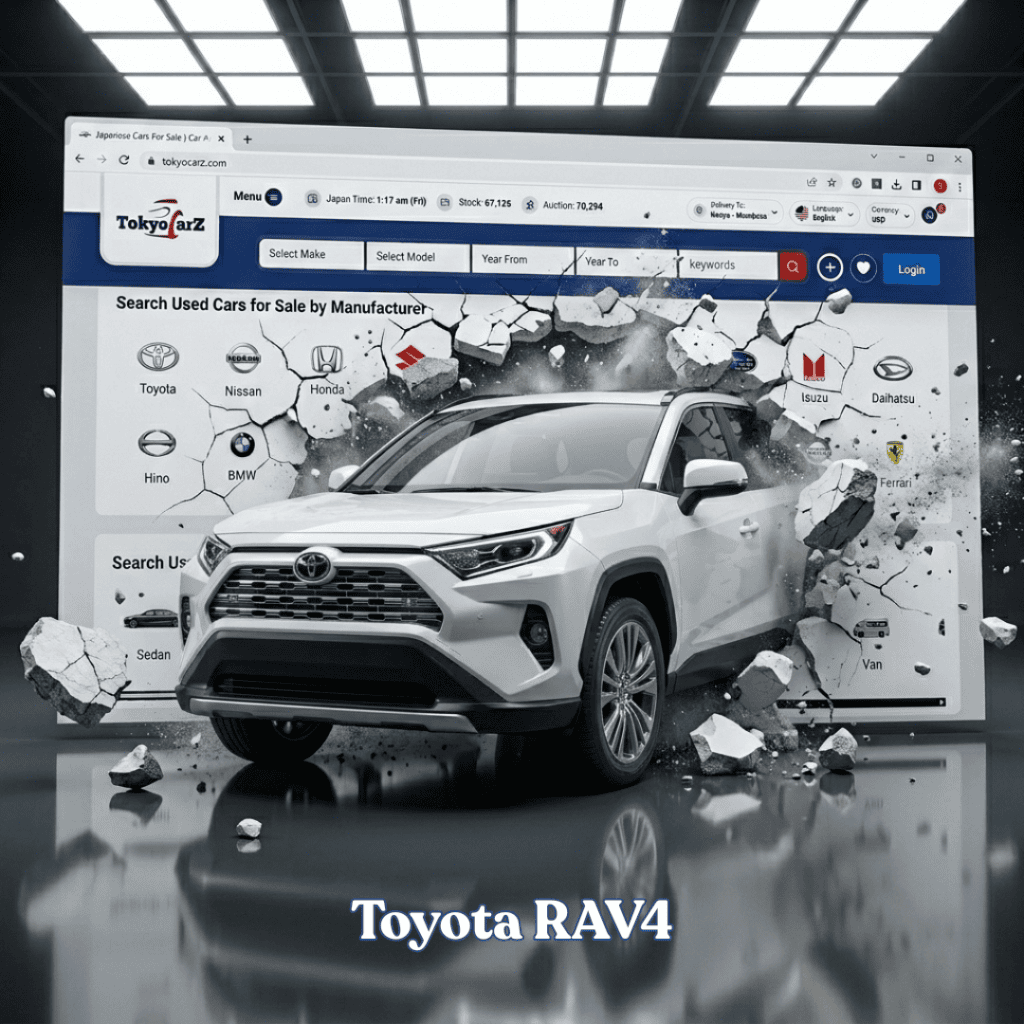
1. Toyota RAV4 – The Practical All-Rounder
Key specs: 2.5L plug-in hybrid, 305bhp (AWD), 672L boot, 5 seats
Why it works for families:
The RAV4 was the world’s best-selling car last year for good reason . The new generation offers up to 85 miles of electric range — enough for daily school runs and errands without using fuel. Wide rear door openings make child seat installation easier, and the spacious cabin handles a family of five comfortably . The 672-litre boot offers more space than a Hyundai Tucson and far more than a Volkswagen Tiguan .
The catch: Interior materials don’t feel as plush as some rivals. The CVT can get noisy under hard acceleration. Wind and road noise are more noticeable than in premium alternatives.
Verdict: If you want a dependable, fuel-sipping family SUV that’s easy to live with, the RAV4 is a solid choice.
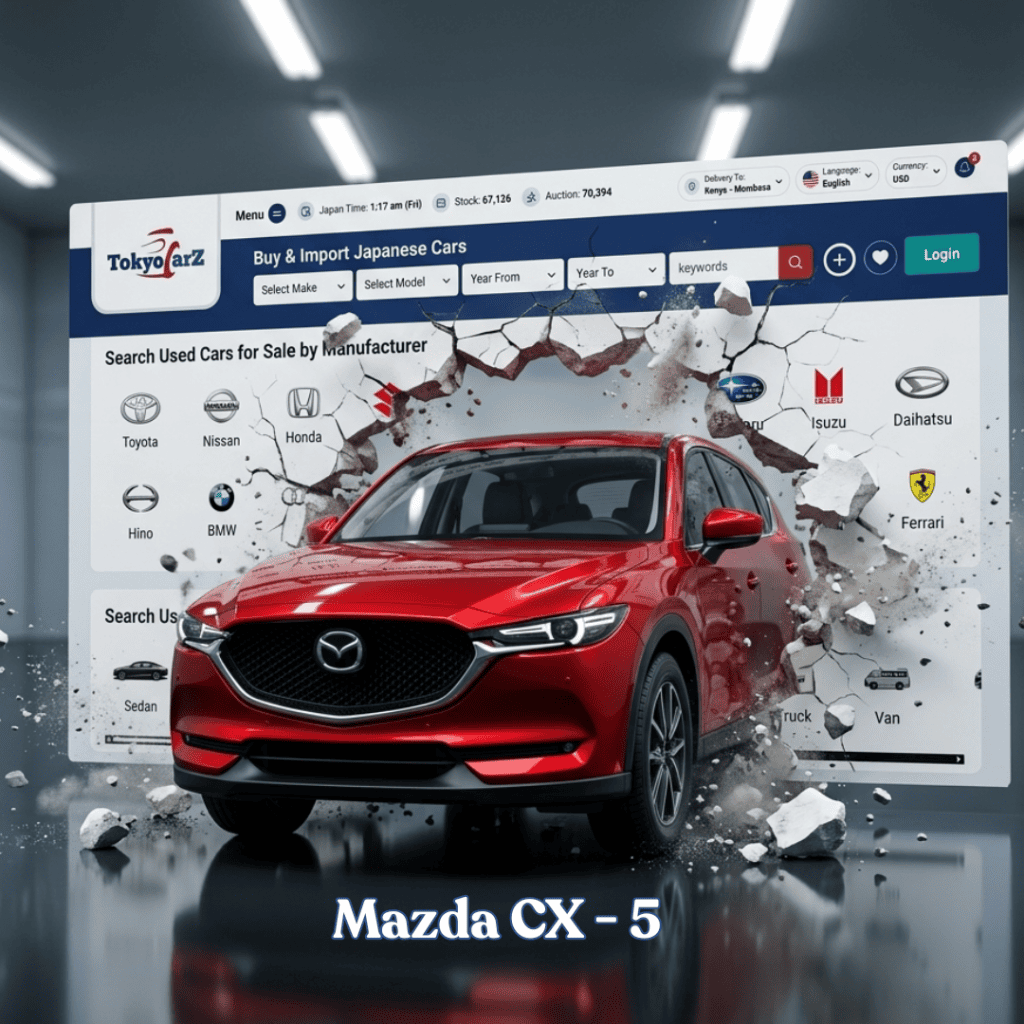
2. Mazda CX-5 – The Stylish Driver’s SUV
Key specs: 2.5L petrol (139bhp), 5 seats, AWD optional
Why it works for families:
The 2026 CX-5 grew in length, finally fixing cramped rear seats. There is loads of room even for tall adults — a 6’2″ tester could sit behind his own driving position comfortably. The rear doors open wide for easy child seat installation, with two ISOFIX points. The premium interior feels more expensive than its price tag, and the handling is engaging for drivers who enjoy the road .
The catch: The 2.5L non-turbo engine feels underpowered. It takes 10.5 seconds to reach 62mph, and the engine gets noisy when pushed. Removing the physical infotainment controller was a step backwards.
Verdict: Choose the CX-5 if you value style, driving enjoyment, and a premium cabin over outright fuel economy.
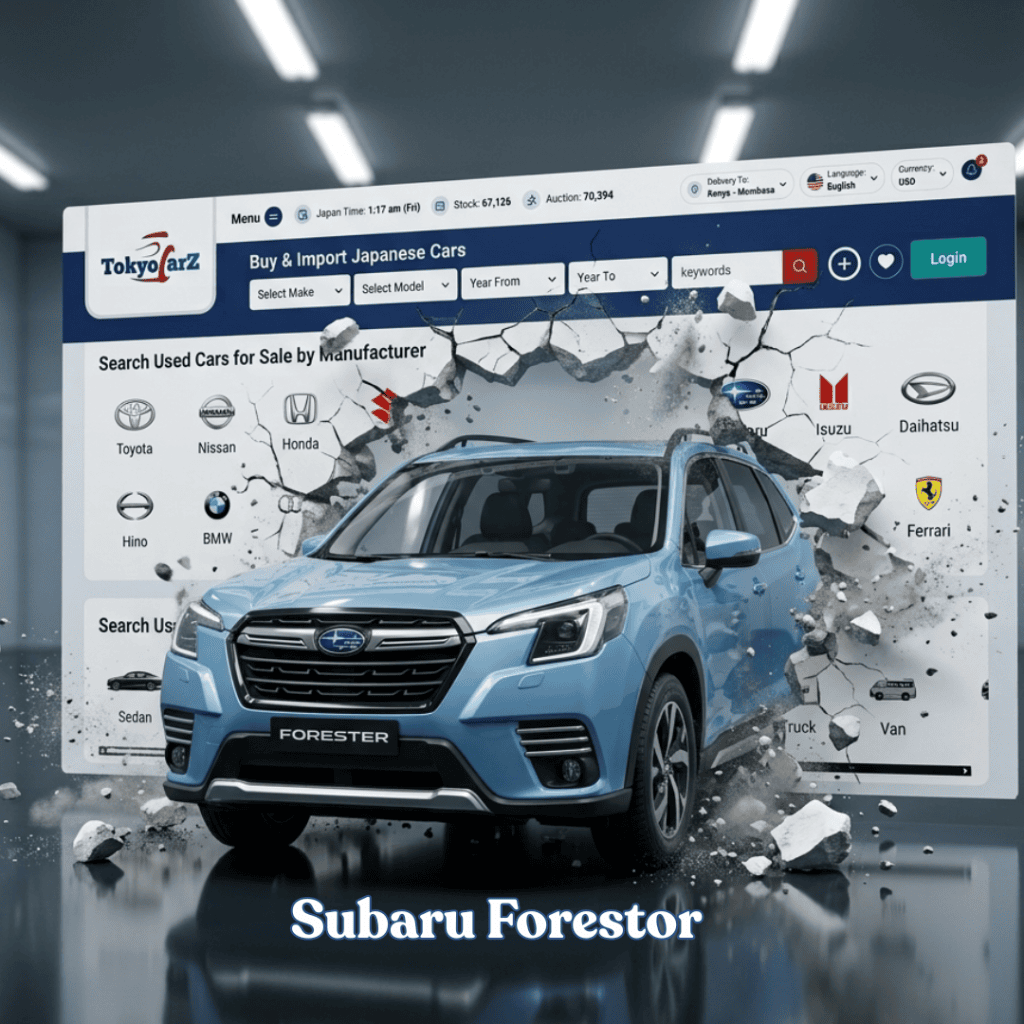
3. Subaru Forester – The Quietly Capable Workhorse
Key specs: 2.5L petrol (183hp), AWD standard, 5 seats, excellent visibility
Why it works for families:
Every Forester comes with Subaru’s Symmetrical All-Wheel Drive as standard — no upgrades needed, no extra cost .
This is a genuine real-world advantage for safety on wet roads and light off-road conditions. The upright boxy design maximises cabin space, and the wide-opening doors make loading easier. There is even a step panel to help kids climb in . Visibility is among the best of any SUV, making parking and reversing less stressful . The new Hybrid e-Boxer variant offers over 1,000km of range .
The catch: The engine is underwhelming — 0-62mph takes around 12 seconds . Tech features lag a couple of years behind rivals .
Verdict: Buy the Forester if your family prioritises safety, all-weather capability, and real-world usability over excitement.
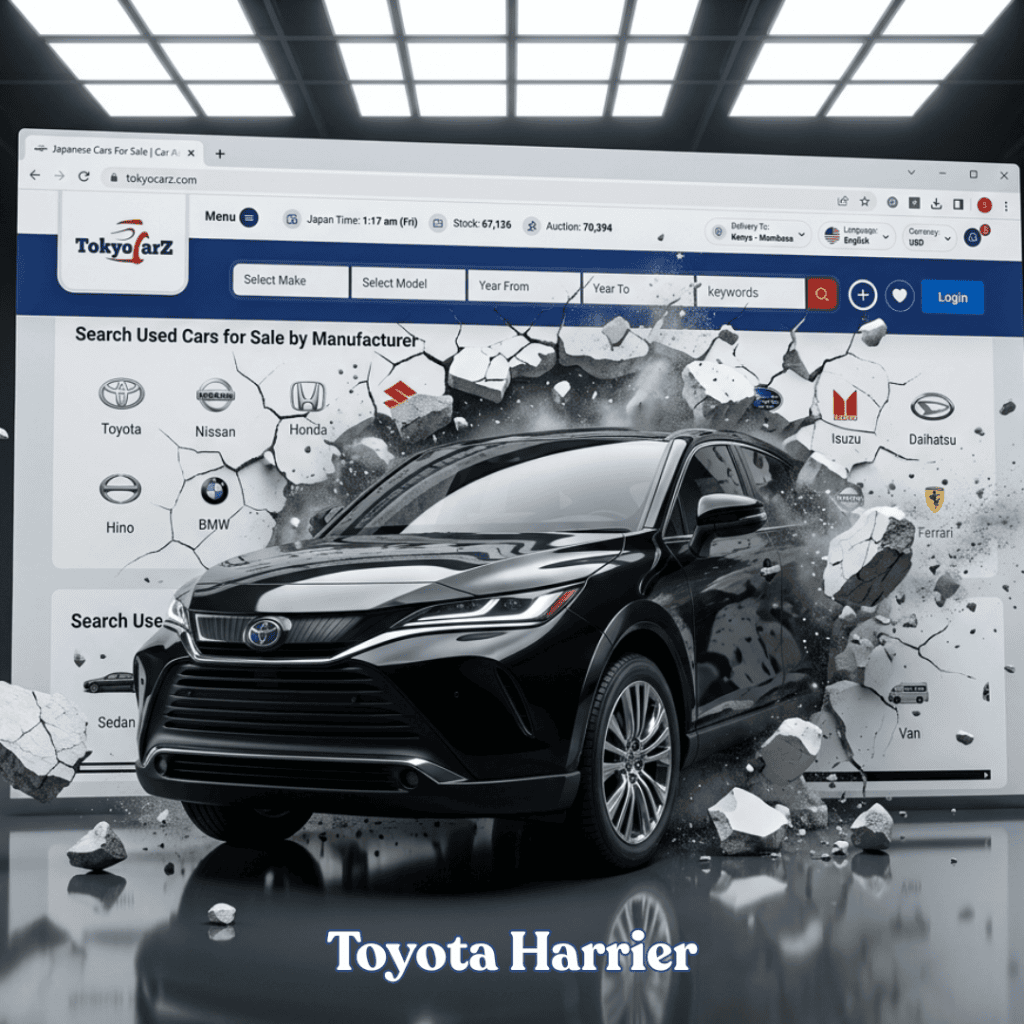
4. Toyota Harrier – The Premium-Looking Option
Key specs: 2.0L engine, 5 seats, premium interior
Why it works for families:
The Harrier has built a reputation as one of the most desirable premium SUVs on the road. The entry-level “G” grade comes generously equipped with a heated steering wheel, heated seats, and Toyota Safety Sense. At 4,740mm in length, the Harrier provides good interior space, and the premium feel makes it a comfortable family cruiser.
The catch: More expensive than some competitors. The 2.0L engine isn’t the most powerful option, and premium features may be optional on base trims.
Verdict: Choose the Harrier if you want a stylish, comfortable SUV with a premium feel and don’t mind paying a bit more.
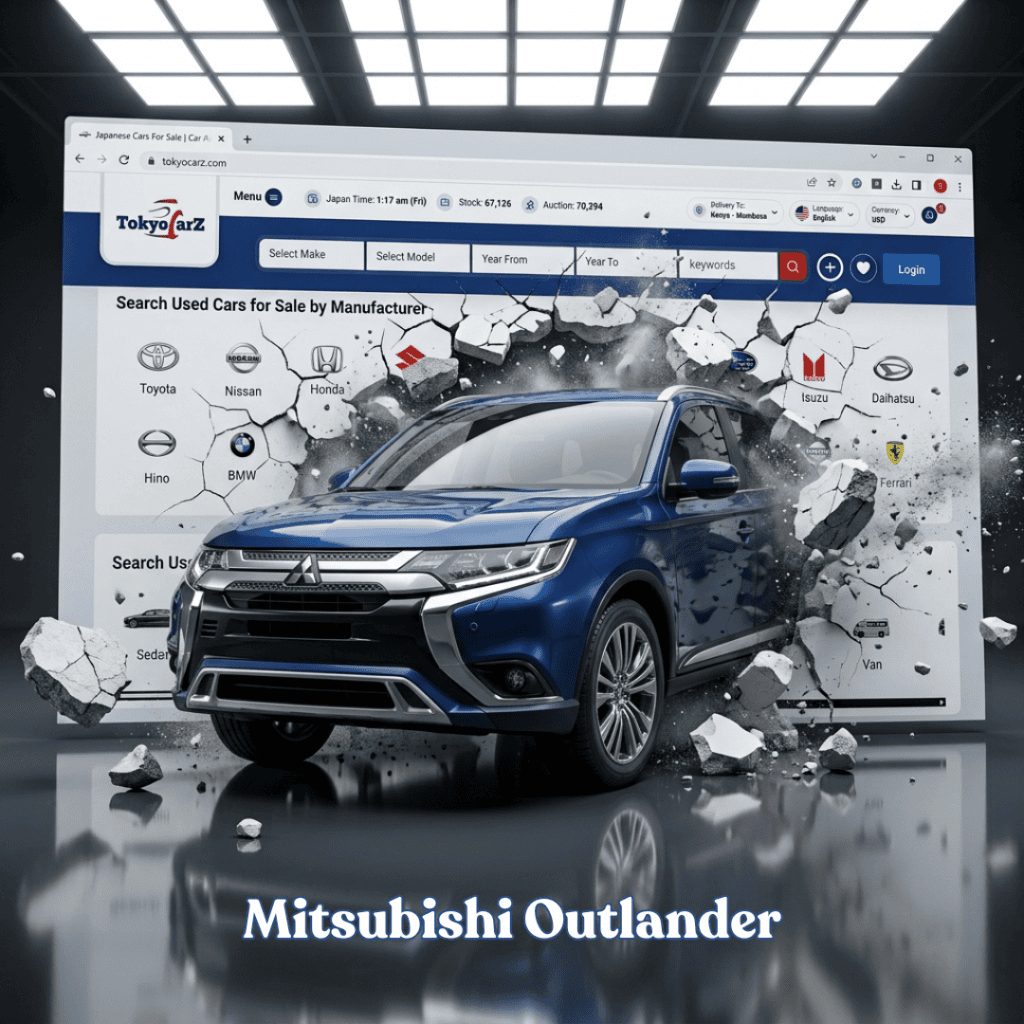
5. Mitsubishi Outlander – The Seven-Seat Flexible Option
Key specs: 1.5L turbo mild-hybrid, 7 seats, 478L boot (5-seat mode)
Why it works for families:
The Outlander’s clearest advantage is simple: it seats seven. This flexibility matters when grandparents visit, a child brings a friend home, or two families combine for dinner. The third row is best for children or shorter trips, but having it changes what the vehicle can do. The available Super All-Wheel Control adds confidence in corners and poor weather . Mitsubishi’s 10-year/100,000-mile powertrain warranty is a significant value-add .
The catch: The third row is tight for adults. Boot space is smaller than some 5-seat rivals. Towing capacity is modest at 2,000 lbs.
Verdict: Get the Outlander if you occasionally need seven seats and want a well-rounded, capable family SUV.
Which One Should You Choose?
| If You Want… | Choose |
|---|---|
| Best fuel economy and practicality | Toyota RAV4 Hybrid |
| Style, premium feel, and driving enjoyment | Mazda CX-5 |
| All-weather safety and practicality | Subaru Forester |
| Premium looks and comfort | Toyota Harrier |
| Occasional seven-seat flexibility | Mitsubishi Outlander |
Each SUV has real strengths — and real compromises. The best choice depends on what your family actually values.
Contact TokyoCarZ for a personalised consultation on which SUV suits your family best.
Why Import from Japan? Why Not Just Buy Locally?
Buying locally is convenient. But for families who value quality, value, and choice, importing from Japan is often the smarter decision.
- Better condition. Japan’s “Shaken” inspection system ensures vehicles are serviced every two years. A five-year-old Japanese car often has lower mileage and better condition than a three-year-old locally bought car.
- More for your money. The average family SUV imported from Japan costs 20–40% less than the same model locally — even after shipping and taxes. That saving could mean upgrading to a hybrid that saves fuel every month.
- Access to models never sold locally. The Toyota Harrier and Subaru Forester e-Boxer are examples of models unavailable in many markets.
- Transparency you can trust. Auction sheets provide a detailed third-party condition report — grade, mileage, rust, repair history. Local used cars rarely come with this level of documentation.
- The weak yen makes 2026 a particularly strong year to import. A ¥3.5 million vehicle costs nearly $2,000 less than a year ago.
Browse vehicles available for export to see what is currently available for your family.
Conclusion
Your family deserves more than just a bigger car. It deserves the right car — one that fits your lifestyle, your budget, and your priorities.
Whether it is the RAV4’s fuel efficiency, the CX-5’s style, the Forester’s capability, the Harrier’s premium feel, or the Outlander’s flexibility — these five SUVs are genuinely worth buying.
Frequently Asked Questions (FAQs)
1: Which Japanese SUV is best for a family of four?
The Toyota RAV4 and Mazda CX-5 both offer excellent space, safety, and reliability for four — the RAV4 wins on fuel economy, the CX-5 on style.
2: What is the safest Japanese SUV for families?
Both the Subaru Forester and Toyota RAV4 score very highly in crash tests. The Forester has standard AWD and class-leading safety features like EyeSight.
3: Which SUV has the most cargo space?
The Toyota RAV4 offers 672 litres of boot space — more than the CX-5, Harrier, and Outlander. Among compact SUVs, the Honda CR-V offers exceptional cargo space.
4: Which is cheaper to import: RAV4 or CX-5?
A: The CX-5 is generally cheaper at auction due to higher supply. However, RAV4 hybrids hold value better.
5: Can I import a 7-seater Japanese SUV?
Yes. The Mitsubishi Outlander is the most popular option. The Toyota Harrier and RAV4 are 5-seaters only.
6: What makes a reliable family SUV?
Low mileage, documented service history, high auction grade (4+), and a proven reputation for safety and durability. Japanese auctions deliver all of these — consistently.
