



You would think global car imports should be collapsing right now.
The Russia–Ukraine war continues disrupting global trade. The US–Iran conflict has increased instability across major shipping routes in the Middle East. Freight costs have risen. Marine insurance premiums have jumped. Inflation is squeezing consumers worldwide harder than a fully loaded kei car climbing a mountain.
So logically, countries importing Japanese cars, including the UAE, parts of Africa, the UK, Ireland, and Mongolia, should be slowing down dramatically.
But something strange happened.
According to 2026 car statistics, demand for Japanese cars kept growing.
In some markets, imports didn’t just survive. They surged.
A few examples include :
- Japanese used-car exports to the UAE grew from approximately 112,000 vehicles in 2014 to over 239,000 vehicles in 2025.
- Tanzania imports rose from around 37,000 units to more than 114,000 units during the same period.
- Mongolia also experienced major growth, rising from roughly 35,000 units to over 111,000 units before the recent market cooling.
So why does demand for Japanese cars persist despite global wars, inflation, and shipping instability?
1. The UAE – Buying and Moving Cars
When people think of the UAE, they usually picture luxury SUVs, skyscrapers, and enough Toyota Land Cruisers to create their own traffic jam in the desert.
But the UAE is much more than a consumer market. It’s one of the world’s most important automotive logistics gateways.
Even when Gulf shipping becomes unstable, businesses still rely heavily on UAE-linked trade networks to move vehicles across multiple regions.
During global wars, the biggest change is often in logistics, not demand.
Shipping companies begin:
- Rerouting cargo,
- Using alternative ports,
- Shifting transhipment hubs,
- Adjusting insurance calculations,
- Finding new corridors through places like Oman.
Trade adapts.
And because the UAE sits at the centre of major regional shipping routes, it remains critically important even during geopolitical tension.
In simple terms:
The routes may change, but the demand for Japanese cars persists.
Learn more about how to import cars from Japan to the UAE here.
2. Inflation Is Making Reliable Japanese Cars Even More Valuable
Global wars don’t just affect shipping.
They increase:
- Inflation,
- Fuel prices,
- Financing pressure,
- Currency instability,
- Economic uncertainty.
And when inflation rises, consumers stop making emotional purchases.
They start making practical ones.
That’s where Japanese cars dominate.
People still need reliable and cheap:
- family cars,
- business vehicles/ Taxis
- delivery vans,
- pickups,
- and fleet vehicles.
A fuel-efficient Toyota hybrid suddenly looks a lot smarter when fuel prices behave like cryptocurrency charts.
A reliable Nissan Note becomes more attractive than an expensive new SUV with monthly payments that require emotional recovery therapy.
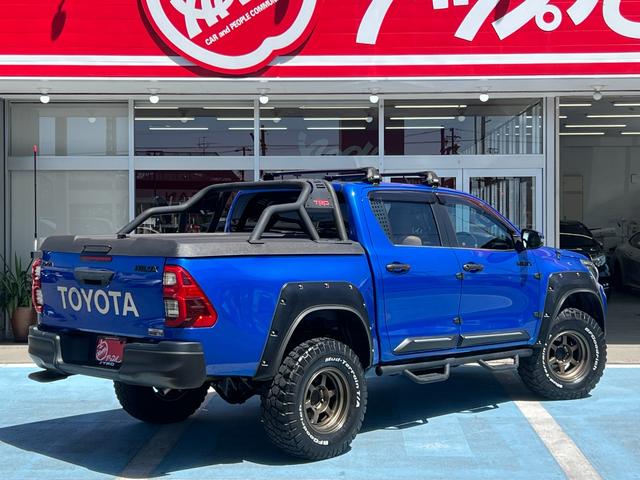
A durable Toyota Hilux becomes less of a pickup and more of a survival tool for:
- Businesses,
- Logistics companies,
- Farmers,
- NGOs,
- and construction firms.
During uncertain times, people don’t just buy cars.
They buy reliability, fuel efficiency, and lower long-term ownership costs.
3. Rising Costs Are Making Buyers Move Faster
Here’s something most people don’t realize:
Shipping disruption can actually increase imports temporarily.
Sounds backwards, right?
But smart importers understand one thing:
waiting can become expensive very quickly.
When buyers expect:
- Freight prices to rise,
- Inflation to worsen,
- Currencies to weaken,
- or regulations to tighten,
Many accelerate purchases before conditions deteriorate further.
Fleet owners behave this way all the time.
Dealers do too.
And increasingly, regular consumers are starting to think the same way.
Because if your local currency weakens next month or import duties suddenly increase, that dream car can instantly become much more expensive.
That’s why many buyers are choosing to secure vehicles directly from Japan now rather than waiting.
And platforms like TokyoCarZ make that process easier by giving buyers direct access to Japanese inventory without layers of middlemen inflating prices further.
5. Africa’s Vehicle Demand Is Bigger Than Temporary Shipping Problems
One of the strongest trends in the global auto market right now is Africa’s growing demand for vehicles, driven by long-term fundamentals like:
- Rapid urbanisation,
- Population growth,
- Expanding logistics industries,
- Ride-hailing demand,
- E-commerce delivery growth,
- Infrastructure development,
- Increasing mobility needs.
That’s why durable Japanese vehicles continue dominating, even when freight becomes more expensive.
A clean Japanese hybrid helps drivers save fuel.
A dependable van keeps businesses running.
A Toyota Prado survives roads that would emotionally damage most luxury SUVs.
Tanzania alone saw imports of Japanese vehicles rise from around 37,000 units to over 114,000 units, showing how demand for affordable and reliable transport keeps growing despite inflationary pressure.
And that demand isn’t disappearing anytime soon.
Learn more about how to import cars from Japan to Kenya and Tanzania
Why Demand for Japanese Cars Persists
Global wars disrupted shipping, but they didn’t stop demand for Japanese cars.
In fact, several import markets continued growing despite rising freight costs, insurance premiums, inflation, and major route instability.
One major reason is economic pressure itself.
Inflation is pushing buyers toward:
- affordable vehicles,
- fuel-efficient hybrids,
- lower maintenance costs,
- and long-term reliability.
Another major factor is the historically weak Japanese Yen, which continues making Japanese vehicles highly cost-effective for overseas buyers.
So despite:
- Wars,
- Unstable shipping routes,
- Rising insurance costs,
- Inflation,
- and freight volatility,
The global appetite for Japanese cars keeps growing.
Because when the world becomes unpredictable, reliability becomes priceless.
And few things on earth are more reliable than a Japanese car starting on the first try after surviving three owners, questionable fuel, and roads that technically qualify as off-road rally stages.
That’s exactly why buyers across the world continue turning to TokyoCarZ to import vehicles directly from Japan.

Frequently Asked Questions (FAQs)
1. Why are Japanese cars still in high demand despite global wars and inflation?
Japanese cars remain popular because they are known for reliability, fuel efficiency, affordability, and low maintenance costs. During periods of economic uncertainty, buyers prioritize long-term value over luxury.
2. Are shipping delays affecting car imports from Japan in 2026?
Yes. Global conflicts and shipping instability have increased transit uncertainty in some regions. However, Japanese vehicle exports continue moving through adjusted shipping routes and alternative logistics corridors.
3. Has the Russia–Ukraine war affected Japanese car exports?
The war has disrupted some shipping patterns, insurance costs, and trade routes. However, demand for Japanese used cars remains strong in many global markets despite these disruptions.
4. Why are Japanese hybrid cars becoming more popular worldwide?
Rising global fuel prices and inflation are pushing more buyers toward fuel-efficient vehicles. Japanese hybrids offer lower fuel consumption, reliability, and reduced long-term operating costs.
5. Which countries are importing more Japanese cars recently?
According to Japanese export data, countries such as the UAE, Tanzania, and Mongolia have shown strong long-term growth in vehicle imports over recent years.
6. Is importing a car directly from Japan cheaper than buying locally?
In many cases, yes. Buyers can often access better vehicle conditions, lower mileage, higher trim levels, and better pricing when importing directly from Japan through platforms like TokyoCarZ.
7. Why do fleet owners prefer Japanese vehicles?
Fleet operators value Japanese cars for:
durability,
fuel efficiency,
parts availability,
reliability,
and lower maintenance costs.
These factors help reduce long-term operating expenses.
8. How long does shipping from Japan usually take?
Transit times vary by destination and shipping conditions. Depending on the country and shipping route, delivery can take anywhere from approximately 2–7 weeks.
9. Are Japanese used cars reliable for African roads?
Yes. Japanese vehicles are widely trusted across Africa because they are durable, easy to maintain, fuel-efficient, and well-suited for varying road conditions.
10. Why should I import through TokyoCarZ?
TokyoCarZ gives buyers direct access to Japanese vehicle inventory, transparent pricing, shipping support, freight calculators, and international export assistance to multiple destinations worldwide.
Resource Links & References
