


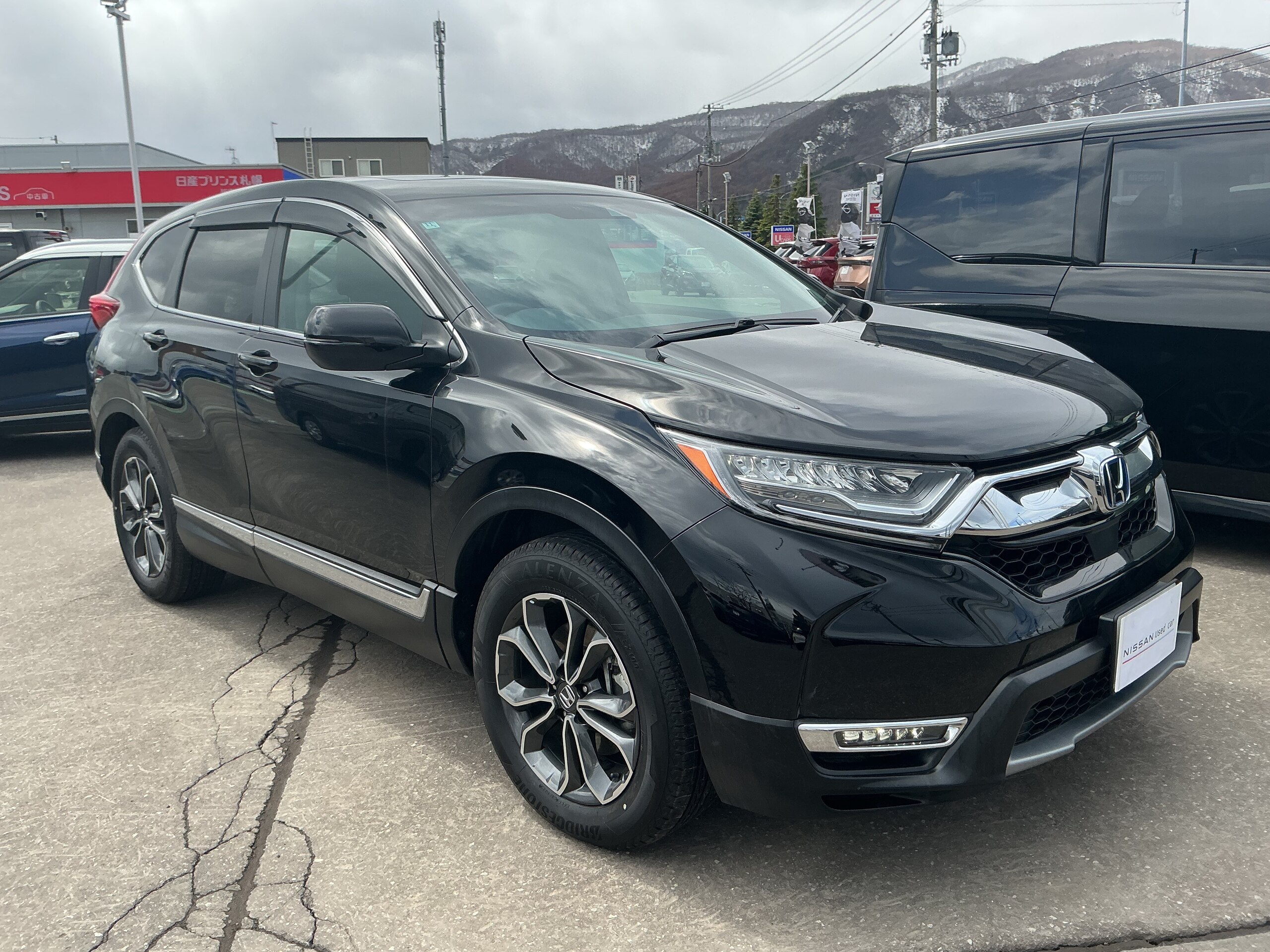
Hybrid cars are everywhere in Japanese auctions. They are fuel-efficient, eco-friendly, and often available at attractive prices. But importing a hybrid car from Japan is not the same as importing a petrol car. The cost of getting it wrong can be expensive.
With rising fuel prices worldwide and growing interest in fuel-efficient vehicles, hybrid imports are more popular than ever. But hidden costs, battery health concerns, and country-specific regulations make the process more complex than it appears.
This guide covers everything you need to know — from auction selection and battery checks to tax breaks and registration rules.
For a broader understanding of the auction system, read our guide on how Japanese auctions work .
Why Import a Hybrid from Japan?
Japanese hybrids are popular for several reasons:
Fuel efficiency: Models like the Toyota Aqua achieve 25–30 km/l, saving significantly on fuel costs.
Quality assurance: Japan’s strict inspection system and low-mileage culture result in well-maintained vehicles.
Tax advantages: Many countries offer reduced import duties for hybrids (e.g., Pakistan offers 50% exemption on hybrids up to 1800cc).
Selection: Japanese auctions offer a wide range of hybrid models — from compact city cars to luxury SUVs.
Popular Hybrid Models from Japan
Some of the most popular hybrid imports include:
Typical Auction Price Range (YEN)
| Model | Fuel Economy (km/l) | Typical Auction Price Range (JPY) |
|---|---|---|
| Toyota Aqua | 25–30 | ¥130,000 – ¥220,000 |
| Toyota Prius | 22–25 | ¥170,000 – ¥260,000 |
| Honda Fit Hybrid | 22–28 | ¥190,000 – ¥250,000 |
| Toyota RAV4 Hybrid | 16–18 | ¥500,000 – ¥650,000 |
| Toyota Harrier Hybrid | 18–22 | Varies |
| Lexus RX 450h | 14–16 | ¥750,000 – ¥800,000 |
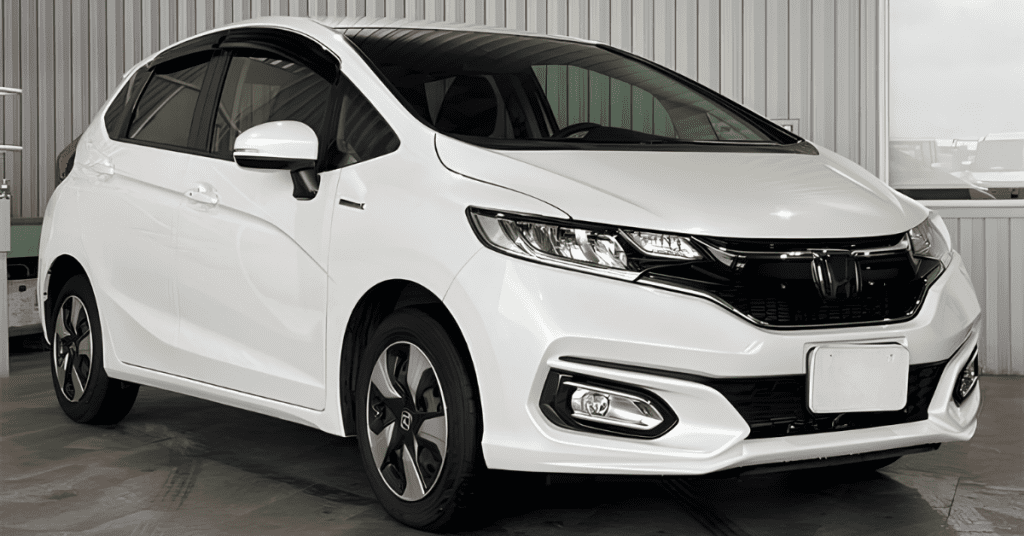
Battery Health — The Most Critical Factor
When importing a hybrid, battery health is the single most important factor affecting both value and usability. A failed hybrid battery can cost thousands to replace — and the car is worthless without it.
What to look for:
Auction sheet symbols: Look for *, $, #, or メーター不審 (suspicious meter) which may indicate issues.
Battery health check: Use diagnostic tools like MotorData Hybrid to check hybrid battery cell voltage, internal resistance, and temperature.
Service history: Japanese service records often include hybrid system checks.
Red flags:
High mileage without documented battery replacement
Auction sheet mentions of hybrid system warnings
Signs of battery swelling or corrosion in photos
For help reading auction sheets, see our auction sheet verification guide.
Cost Breakdown — What You’ll Actually Pay
The auction price is just the beginning. Here is what you will actually pay in different markets.
In Kenya
Hybrids attract lower import duties than petrol/diesel cars, but rates still add up:
| Fee Type | Rate |
|---|---|
| Import Duty | 25% of Customs Value |
| Excise Duty | 10–25% (engine-dependent) |
| VAT | 16% |
| Railway Development Levy | 1.5% |
| Import Declaration Fee | 2% |
KRA update (2025): Import duty for a Toyota Vitz Hybrid rose from Ksh 319,501 to Ksh 508,927 due to a new pricing template. The import duty rate increased from 25% to 35%, and excise duty for some units rose to 35%.
Learn more about importing cars from Japan to Kenya.
In Singapore
Singapore has one of the most complex tax structures for cars:
Excise duty: 20% of OMV
GST: 9% (applied twice)
ARF: Tiered tax up to 220% of OMV for luxury cars
COE: Bi-monthly auction — Category B COEs can exceed S$100,000
Real-world example: A Toyota Corolla Cross Hybrid with an OMV of S$29,006 becomes a S$200,000 car after all taxes and COE.
Learn more about importing cars from Japan to Singapore.
In the UK
Import duty: 10% (with preferential rates for some countries)
VAT: 20% on Customs Value + Duty + Freight + Insurance
NOVA: Must be submitted before DVLA registration
Learn more about importing cars from Japan to the UK.
In the USA
Import duty: 2.5% for most hybrids (under HTS 8703.40.0020)
Additional tariffs: 25% for certain vehicles (effective April 2025)
Reciprocal tariffs: 10% additional (effective April 2025)
Learn more about importing cars from Japan to the USA.
Country-Specific Hybrid Incentives
| Country | Hybrid Incentive |
|---|---|
| Kenya | Lower excise duty than petrol cars (10–25%). 8-year rule applies (2018+ for 2026) |
| Pakistan | 50% duty/tax exemption on hybrids up to 1800cc. 25% exemption on hybrids 1800–2500cc |
| Poland | Excise tax: 1.55% (≤2,000cc) or 9.3% (2,001–3,500cc). Mild hybrids (MHEV) qualify for reduced rates (Feb 2026 ruling) |
| New Zealand (2026) | Clean Car Standard fees cut by nearly 80%. New vehicle CO2 fee: $15/g (down from $67.50/g). Used vehicle fee: $7.50/g (down from $33.75/g) |
How to Avoid Common Mistakes
Trusting the auction sheet without verification
Auction sheets can be faked or misinterpreted. Always request the Export Certificate and cross-check mileage.Ignoring battery health
A cheap hybrid with a dying battery is an expensive mistake. Request a pre-bid battery check using tools like MotorData Hybrid.Underestimating taxes
Hybrids often have lower tax rates than petrol cars, but the difference varies by country. Always calculate the full landed cost before bidding.Missing country-specific deadlines
Poland requires excise tax payment within 14 days of import using the AKC-U declaration form.
For more guidance, read our how to avoid import scams guide.
How to Import Your Hybrid with TokyoCarZ
TokyoCarZ makes hybrid importing simple:
| Step | What We Do |
|---|---|
| 1. Sourcing | Access live auctions (USS, AUCNET, TAA) or pre-vetted stock |
| 2. Verification | Provide auction sheet translation, CarVX checks, and battery health assessments |
| 3. Documentation | Handle export certificates, deregistration, and shipping manifests |
| 4. Shipping | Arrange RoRo or container shipping to your preferred port |
| 5. Support | Guide you through customs clearance and local registration |
Contact TokyoCarZ to start your hybrid import journey.

Ready to import your hybrid?
TokyoCarZ connects you to Japan’s best auctions — no middlemen, no hidden fees.
Frequently Asked Questions (FAQs)
1: Are hybrids worth importing?
Yes. They offer significant fuel savings and often qualify for reduced import duties. However, factor in battery health and country-specific taxes.
2: How do I check hybrid battery health before buying?
Use diagnostic tools like MotorData Hybrid to check cell voltage, temperature, and internal resistance. Request this as part of your pre-bid inspection.
3: Which hybrid models are most popular for export?
Top models include Toyota Aqua, Toyota Prius, Honda Fit Hybrid, Toyota RAV4 Hybrid, and Toyota Harrier Hybrid.
4: Do hybrids pay lower import duties?
In many countries, yes. Kenya, Pakistan, Poland, and New Zealand offer reduced rates. In the USA, hybrids are classified under the same duty rate (2.5%) as conventional cars.
Q5: What is the age limit for hybrid imports?
Depends on the country. Kenya has an 8-year rule (2018+ for 2026). USA has a 25-year rule for older vehicles.
Related Resources
Note: Tax rates, incentives, and import regulations are subject to change. Always verify current requirements with your local customs authority or a licensed customs broker before purchasing.
