


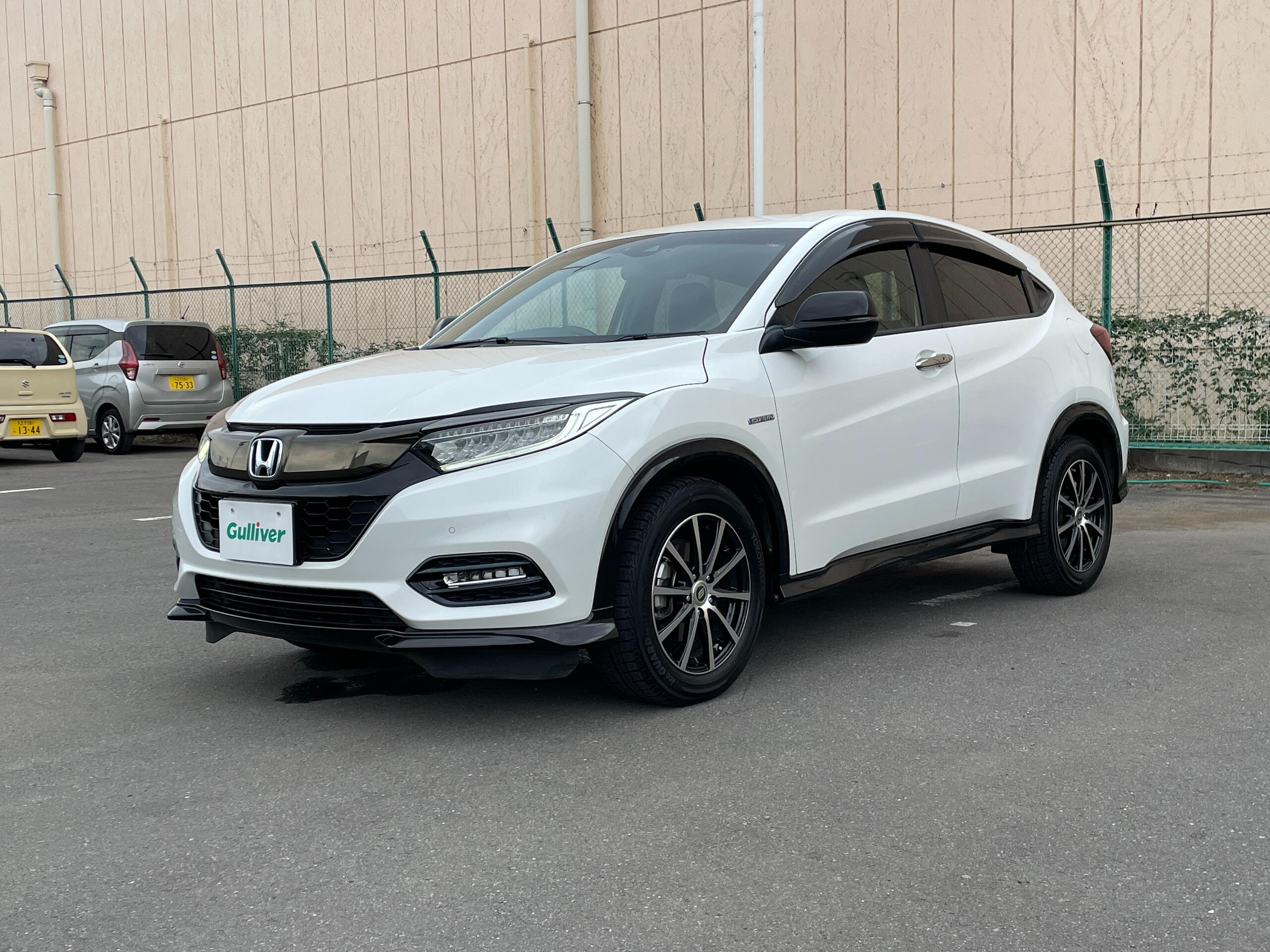
The Honda Vezel is one of Kenya’s most sought-after compact SUVs. It blends stylish design, hybrid efficiency, and Honda’s legendary reliability. But is it the right car for you?
The Vezel has earned its place as a top choice for Kenyan families and professionals. With the 8-year rule limiting imports to 2018+ models, 2026 is a pivotal year for buyers.
This guide covers everything — pricing, trims, fuel economy, reliability, common problems, alternatives, and the complete import process with TokyoCarZ.
For a complete walkthrough, read our full guide on importing to Kenya .
Is the Honda Vezel a Reliable Car?
Yes — the Honda Vezel is generally a highly reliable compact SUV. Its reputation is built on Honda’s durable engineering, robust build quality, and the efficient e:HEV hybrid system. Japanese auction grades for Vezels are often Grade 4 or higher, indicating excellent condition.
However, no car is perfect. Some owners have reported issues with the oil pressure warning light, engine stalling, and rough idling — covered later in this guide.
What Is the Fuel Consumption of a Honda Vezel?
The Honda Vezel offers excellent fuel economy, making it a cost-effective choice for Kenyan driving conditions.
| Variant | Fuel Economy (WLTC) |
|---|---|
| e:HEV hybrid (2WD) | 25.2–26.0 km/L |
| e:HEV hybrid (4WD) | 21.2–21.5 km/L |
| Petrol version (1.5L) | ~17 km/L |
In Kenyan context, a hybrid Vezel achieves 18–20 km/L or more in mixed driving conditions, significantly better than many competitors. The hybrid version is the better choice for Kenyan buyers — the fuel savings alone can offset the higher initial cost within a few years of ownership.
Reliability and Maintenance
The Honda Vezel is generally reliable, but like any vehicle, it has its quirks.
| Maintenance Item | Interval |
|---|---|
| CVT transmission fluid | Every 40,000 km (24 months) |
| Oil changes | Every 5,000 km (6 months) |
| Cooling system check | Every 10,000 km (6 months) |
Known issues:
-
Oil pressure warning light: Some Vezel hybrids have experienced oil pressure issues — a defective oil pump can be an expensive repair.
-
Engine stalling and rough idle: A faulty fuel pressure sensor can cause stalling, jerking, and reduced fuel economy.
-
CVT transmission issues: Hesitation or jerking can occur if transmission fluid is old.
Prevention: Always request the auction sheet and verify service history. Consider a pre-bid inspection. Budget for routine maintenance — Honda parts are widely available in Kenya.
For help reading auction sheets, see our auction sheet verification guides .
How Many Types of Honda Vezel Are There? (All Trims Explained)
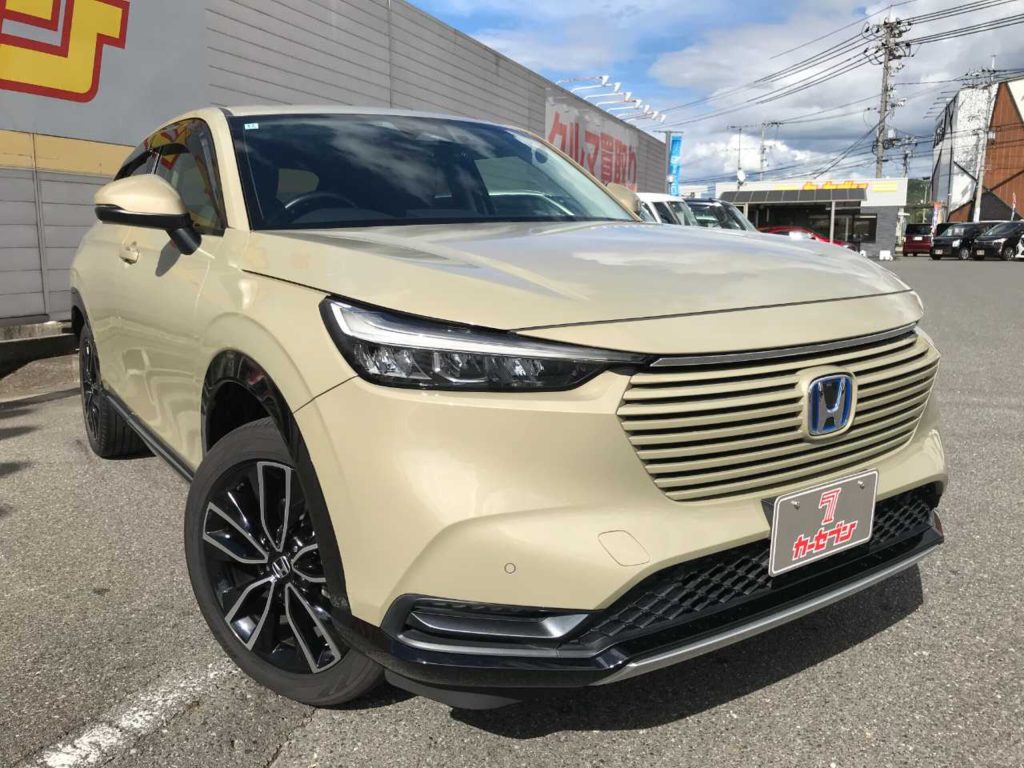
The Honda Vezel is available in several grades. Here is a breakdown of the trims available in the Japanese market.
| Trim | Engine | Drive | Key Features |
|---|---|---|---|
| G | 1.5L (118 hp) | 4WD | Base petrol grade |
| e:HEV X | 1.5L hybrid | 2WD/4WD | Entry-level hybrid, Honda Sensing |
| e:HEV Z | 1.5L hybrid | 2WD/4WD | Premium interior, more features |
| e:HEV RS | 1.5L hybrid | 2WD/4WD | Sporty trim, lowered suspension, 18-inch wheels |
Recommendation for Kenya: The e:HEV Z offers the best balance of features and comfort. The RS is ideal if you prioritize sporty styling and handling.
How Much Is a Honda Vezel 2019 in Kenya?
The price of a Honda Vezel in Kenya varies depending on condition, mileage, trim, and whether it was imported directly or bought locally.
| Source | Price (KES) |
|---|---|
| Local dealer (2019 RS) | ~2,900,000 |
| Import cost (estimated) | 2.8M – 4.5M |
Tax breakdown (estimate):
| Tax Component | Rate |
|---|---|
| Import Duty | 25% |
| Excise Duty | 10–25% (hybrids lower) |
| VAT | 16% |
| IDF | 2.5% |
| Railway Levy | 1.5% |
For personalized cost estimates, use our cost to import car from Japan to Kenya calculator.
What Are the Common Problems with Vezels?
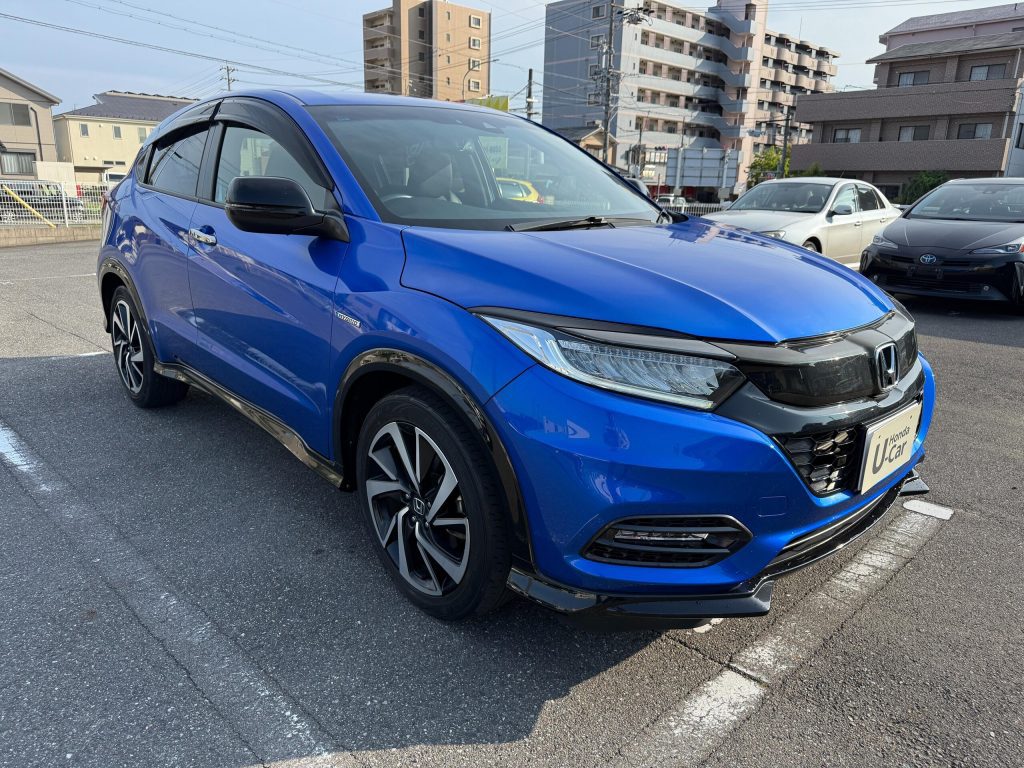
While generally reliable, the Honda Vezel has some known issues that buyers should be aware of.
1. Oil pressure warning light
Cause: Faulty oil pressure sensor, clogged oil filter, or oil pump defect
Cost: Can be expensive (oil pump replacement)
Prevention: Regular oil changes and using the correct grade oil
2. Engine stalling and rough idle
Symptoms: Stalling, jerking during acceleration, check engine light
Cause: Faulty fuel pressure sensor and wiring connection
Prevention: Have the fuel system checked during routine maintenance
3. CVT transmission issues
Symptoms: Hesitation or jerking
Cause: Old transmission fluid or wear
Prevention: Change CVT fluid every 40,000 km
Note: Most Vezels from Japanese auctions are well-maintained. Request the auction sheet and service history to check for previous issues.
For more guidance, read our how to avoid import scams guide.
Best Alternatives/Rivals
The Honda Vezel competes with several other compact SUVs. Here is how it stacks up.
| Model | Fuel Economy | Best For |
|---|---|---|
| Honda Vezel | Best (18–20 km/L) | Fuel efficiency |
| Toyota RAV4 | Good (15–17 km/L) | Family space |
| Mazda CX-5 | Moderate (12–14 km/L) | Driving enjoyment |
| Nissan Kicks | Excellent (23–25 km/L) | Latest tech |
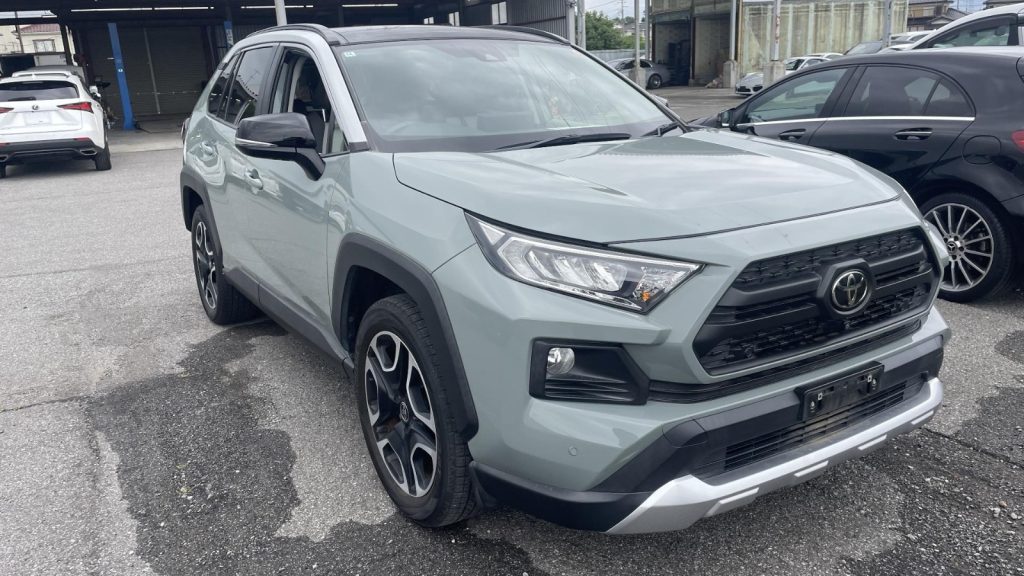
Toyota RAV4: More spacious, stronger resale value, but larger and more expensive than the Vezel.
Mazda CX-5: Premium interior, better driving dynamics, but higher fuel consumption and lower resale value in Kenya.
Nissan Kicks (2026): Third-gen e-POWER system with fuel economy comparable to the Vezel, but less established in Kenya.
Subaru Forester: Standard AWD, excellent safety, spacious, but higher price and fuel consumption.
For a detailed comparison, see our RAV4 vs CX-5 comparison .
How to Import a Honda Vezel with TokyoCarZ
TokyoCarZ simplifies the entire import process from Japan to Kenya.
| Step | What We Do |
|---|---|
| 1. Consultation | Understand your budget, preferred trim, and specifications |
| 2. Sourcing | Access live Japanese auctions (USS, AUCNET, TAA) or pre-vetted stock |
| 3. Verification | Provide auction sheet translation, CarVX checks, and pre-bid inspections |
| 4. Shipping | Arrange RoRo or container shipping to Mombasa Port |
| 5. Documentation | Handle export certificates, deregistration, and customs coordination |
| 6. Clearance | Support with KRA duty assessment, QISJ inspection, and port clearance |
Why choose TokyoCarZ?
✅ 100% transparency — no hidden fees
✅ Professional auction sheet translation and verification
✅ Pre-bid inspections to avoid costly mistakes
✅ End-to-end support — from bidding to your driveway
Contact TokyoCarZ to start your Vezel import journey.
Ready to import your Honda Vezel?
Contact TokyoCarZ today for a free consultation and personalised cost estimate.
Frequently Asked Questions (FAQs)
Q1: Is the Honda Vezel a reliable car?
Yes. The Vezel is known for Honda’s engineering quality and durability. Hybrid e:HEV models are particularly reliable.
Q2: What is the fuel consumption of a Honda Vezel?
The e:HEV hybrid achieves 25–26 km/L (2WD) and 21–22 km/L (4WD). The petrol version averages around 17 km/L.
Q3: How much is a Honda Vezel 2019 in Kenya?
A 2019 Honda Vezel RS is listed at approximately KES 2,900,000 at local dealers. Import costs vary based on condition and trim.
Q4: What are the common problems with Vezels?
Known issues include oil pressure warning lights (oil pump defects), engine stalling (fuel pressure sensor), and CVT transmission wear.
Q5: What is the Honda Vezel e:HEV RS?
The RS is a sporty hybrid trim with lowered suspension, 18-inch wheels, and unique styling.
Q6: Can I import a Honda Vezel from Japan to Kenya?
Yes. The Vezel meets Kenya’s import requirements: RHD, 8-year rule (2018+ models), and QISJ pre-shipment inspection.
Q7: Which Vezel trim is best for Kenyan roads?
The e:HEV Z offers premium comfort with excellent fuel economy. The e:HEV X is more affordable. The RS is best for sporty driving.
Q8: What is the 8-year rule for Kenya?
Only vehicles manufactured in 2018 or later can be imported in 2026. Always check the manufacture date on the auction sheet.
Q9: Are hybrid Vezels cheaper to import?
Hybrids often attract lower excise duty rates than petrol vehicles, reducing the overall tax burden.
Q10: How long does it take to import a Vezel from Japan?
Typically 6–8 weeks from purchase confirmation to delivery in Nairobi.
