


Is it worth importing a car from Japan in 2026, or are you better off buying from a local dealer? Can you actually save money?
Japanese car imports are more popular than ever.
In 2025, Japan exported 1.7 million used vehicles — driven by the weak yen (near ¥160/$) and a record 12.1% increase in auction supply .
But the answer is not a simple “yes” or “no.” It depends on your budget, patience, and the hidden costs many buyers overlook.
This analysis breaks down the cost-benefit equation for 2026 and gets you closer to answering your question.
What Makes Japanese Cars Attractive?
- Cost advantage (The Yen Factor): Japanese auction prices often undercut local dealerships. The weak yen gives international buyers up to 9% more purchasing power than a year ago. In the UK, a £10,000 car in Japan costs around £4,000 to buy, creating potential £3,000 margins even after all import expenses.
- Condition and maintenance: Japan’s “Shaken” inspection system and low-mileage culture result in better-preserved cars. Irish import specialists note that “the cars that come in from Japan need very, very little work doing to them, whereas an eight-year-old Irish car? Oh my god…” . Most vehicles come with clear service records.
- Selection: Japanese auctions offer access to exclusive JDM models and rare trims not available locally — from Kei trucks to turbocharged sports cars like the Nissan Skyline R34 and Toyota Supra .
For a deeper understanding, read our guide on how Japanese auctions work .
What Are the Hidden Fees When Importing a Car from Japan?
- Shipping and logistics: Inland transport and freight costs from Japan range from $1,200 to $5,000 USD depending on vehicle size, shipping method (Ro-Ro vs container), and destination .
- Taxes and duties: Import duties vary significantly by country:
| Country | Duty Rate | GST/VAT |
|---|---|---|
| USA (25+ years) | 2.5% | State tax |
| USA (Kei trucks) | 25% (“chicken tax”) | State tax |
| Canada | 6.1% | 5% |
| Kenya | 25% + Excise + 16% VAT | — |
| UK | 0% (CEPA) | 20% |
- Compliance and modifications: Factor in headlight adjustments, speedometer conversion, and vehicle approval costs (IVA, TÜV, or provincial inspections).
- The “landed cost” shock: A cheap auction car can quickly become expensive after adding customs clearance, port handling, and clearing agent fees. In Ireland, importers note: “You’ll actually pay more in tax than you will on the cost price of the car… I’d say the cost of the actual car is about 40 per cent of the final price” .
A Simple Framework — Is it worth importing a car from Japan for you?
Importing makes sense if you:
Want a specific JDM model unavailable locally
Have patience for2 – 3 months of shipping and clearance
Are willing to manage paperwork or work with a trusted exporter
Can budget for the full landed cost (not just auction price)
Importing does NOT make sense if you:
Need a car immediately
Are not prepared for customs delays or compliance modifications
Cannot access the required permits (e.g., ITAC permit in South Africa)
Are buying a common car that is already cheap locally
For a complete walkthrough, read our step-by-step import guide.
The Most Popular Models to Import and Why
Some vehicles are imported more frequently because they offer the best value-to-cost ratio.
They balance reliability, fuel economy, and resale value — making them the most cost-effective imports for their respective markets.
| Model | Why It’s Popular | Typical Auction Price |
|---|---|---|
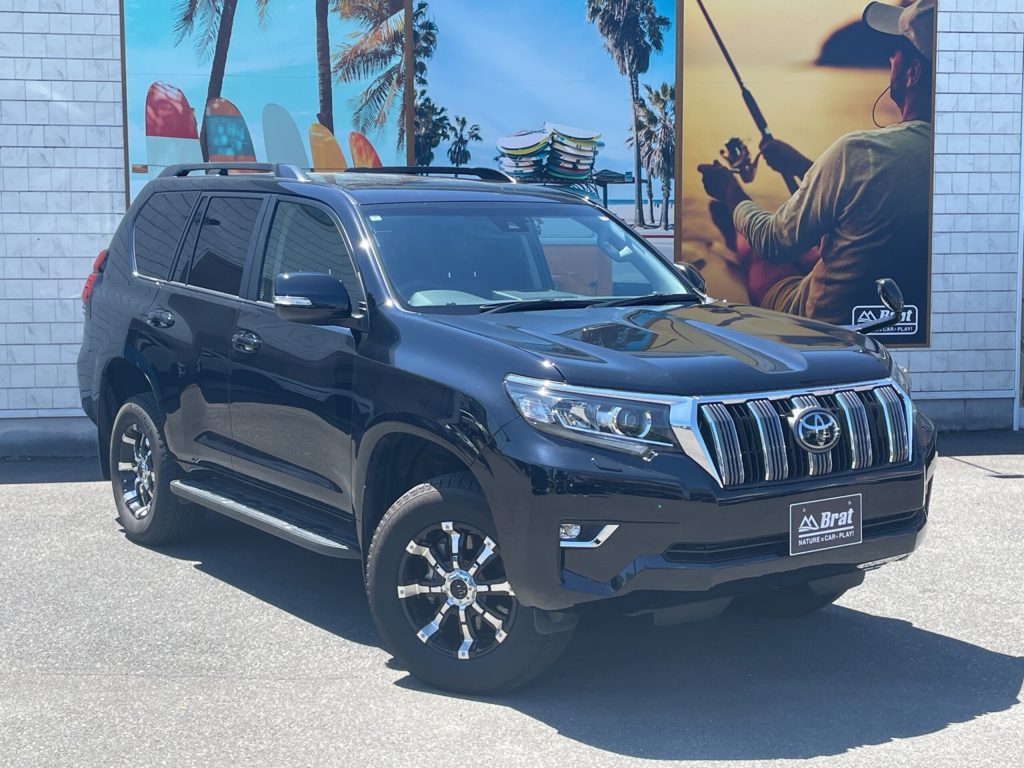
| Toyota Land Cruiser | Legendary off-road durability, high resale value | $15,000 – 25,000 |
| Toyota Hilux | Reliable bakkie/pickup, strong demand in Africa and Australia | $8,000 – 15,000 |
| Toyota Aqua (Prius C) | Fuel-efficient hybrid, affordable excise duty | $4,000 – 8,000 |
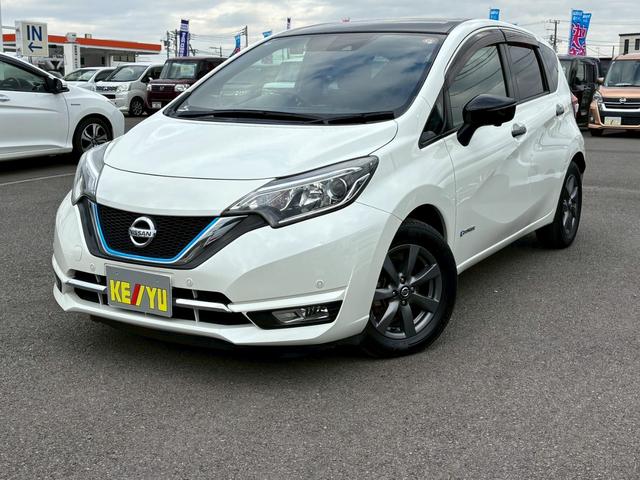
| Nissan Note e-Power | EV-like driving feel, fuel economy | $4,000 – 7,000 |
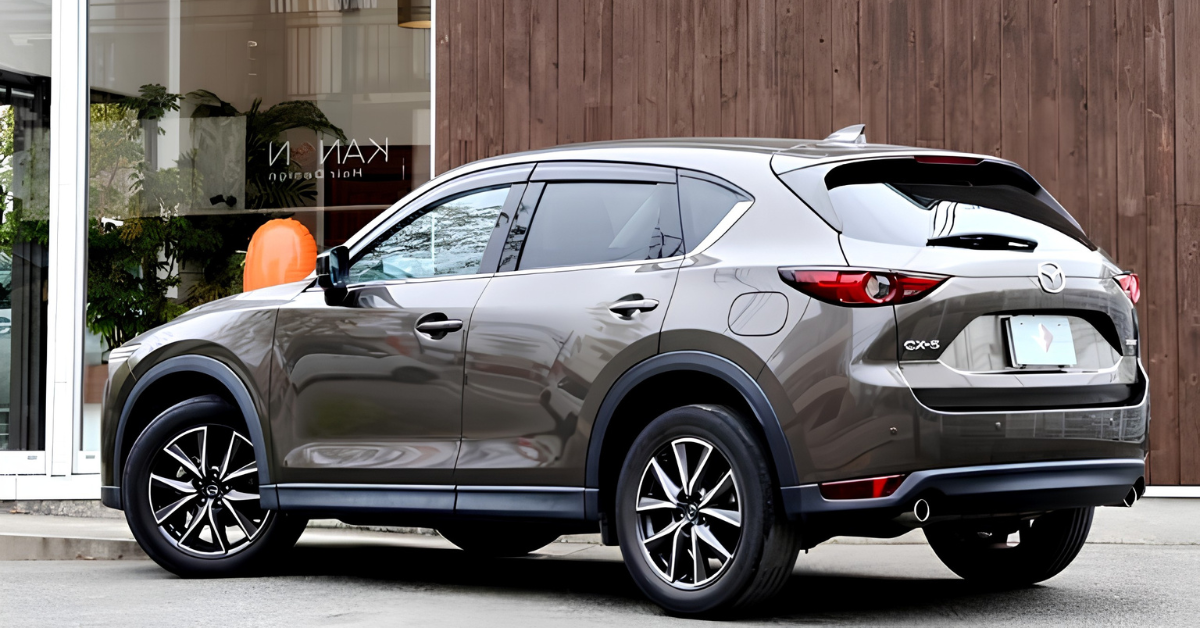
| Mazda CX-5 | Stylish SUV, reliable SkyActiv engines | $6,000 – 12,000 |
| Subaru Sambar | Kei truck, practical and affordable | $3,000 – 7,000 |
| Nissan Skyline R34 | JDM icon, recently US-legal (2001 models) | $15,000 – 20,000 (non-GT-R) |
For a deeper look at affordable JDM imports, see our guide on best JDM cars legal in USA under $20,000
Import vs. Buy Local –A Side-by-Side Comparison
| Model | Year | Import Cost (Landed, KES) | Local Dealer Price (KES) | Savings (KES) |
|---|---|---|---|---|
| Toyota Aqua | 2018 | 1.3M – 1.5M | 1.6M – 1.8M | ~300,000 |
| Mazda CX-5 (2.0L) | 2019 | 3.2M – 3.4M | 3.8M – 4.1M | ~600,000 |
| Toyota Hilux | 2026 | 7.8M+ (CIF only) | 7.8M – 9.5M | Varies |
| Land Cruiser Prado | 2019–2021 | 6M – 12.7M | 6M – 12.7M | Varies |
| Land Cruiser 300 | 2022–2023 | 14M – 18.5M | 20M – 28M | Up to 10M |
| Nissan Note E13 | 2020+ | ~1.5M – 2.0M | 1.7M – 2.2M+ |
Four Questions to Ask Before You Commit
Before wiring money to Japan, ask yourself:
1. Can I legally import this vehicle?
Check your country’s age limits (25-year rule in the USA, 15-year in Canada, 8-year in Kenya). Verify steering requirements (RHD vs LHD).
2. What is the total landed cost?
Calculate: Auction price + shipping + import duty + VAT/GST + port fees + compliance modifications. The cheapest auction price is rarely the cheapest final cost.
3. Do I have the right documentation?
Some countries require permits (ITAC in South Africa), pre-export inspections (QISJ/Kenya), or specific customs forms (EPA/DOT in USA).
4. Who will handle the logistics?
Are you using an agent or doing it yourself? Mistakes in paperwork cause expensive delays. Working with a trusted exporter reduces risk.
To avoid costly mistakes, read our how to avoid import scams guide.
Is It Worth Importing a Car from Japan? – Summary Table
| Factor | Import from Japan | Buy Locally |
|---|---|---|
| Price | 20–40% lower price | Higher — includes dealer markup |
| Selection | Unlimited — 150,000+ weekly at auction | Limited to local inventory |
| Condition | Documented auction sheet, low mileage | Often unknown history |
| Time | 2-3 months delivery | Immediate |
| Paperwork | Requires permits, customs clearance | Simple registration |
| Risk | If handled by an inexperienced exporter | Lower risk |
Verdict: Importing is worth it for the right buyer — especially for specific models, JDM classics, or lower upfront costs. However, it requires patience and a clear understanding of the full landed cost
How to Import from Japan with TokyoCarZ
At TokyoCarZ, we simplify the entire process:
| Step | What We Do |
|---|---|
| 1. Consultation | Understand your budget and vehicle requirements |
| 2. Sourcing | Access live auctions or pre-vetted stock from Japan’s top auctions (USS, AUCNET, TAA) |
| 3. Verification | Provide auction sheet translation, pre-bid inspections, and history checks |
| 4. Shipping | Arrange RoRo or container shipping to your nearest port |
| 5. Documentation | Handle export paperwork, shipping manifests, and customs coordination |
| 6. Delivery | Your car arrives at port ready for clearance and registration |
Contact TokyoCarZ to start your import journey.
Importing is worth it for the right buyer — especially for specific models, JDM classics, or lower upfront costs. However, it requires patience and a clear understanding of the full landed cost.
Do your homework, work with a trusted partner like TokyoCarZ. If you do, you will likely end up with a better car for less money.
Frequently Asked Questions (FAQs)
1. Is it cheaper to import a car from Japan?
Yes, auction prices are often 20–40% lower than local markets. However, taxes, shipping, and compliance can reduce the gap .
2. What is the 25-year rule?
In the US, this rule allows vehicles 25 years or older to be imported without meeting FMVSS and EPA standards .
3. What is the 8-year rule?
In countries like Kenya, this rule restricts imports to vehicles manufactured in 2018 or later (for 2026).
4. Is the weak yen a good reason to import?
Yes. A ¥3.5 million vehicle costs nearly $2,000 less in USD than it did a year ago .
5. Should I buy dealer stock or use an auction?
Dealer stock offers fixed prices and immediate shipping. Auctions offer lower potential prices but require more patience and bidding experience.
6. What is the cheapest car to import from Japan?
Kei cars like the Subaru Sambar ($3,000–7,000) are the most affordable. The Toyota Aqua ($4,000–8,000) is the cheapest hybrid.
7. What documents do I need to import a car?
Export Certificate, Bill of Lading, Customs Declaration, and country-specific permits (ITAC, EPA, DOT, etc.) .
8. How can TokyoCarZ help me import?
We provide auction access, sheet translation, pre-bid inspections, shipping, and customs coordination — end-to-end. Contact TokyoCarZ to get started.
Related Resources
Note: Tax rates, shipping costs, and import regulations are subject to change. Always verify current requirements with your local customs authority or a licensed customs broker before purchasing.
