


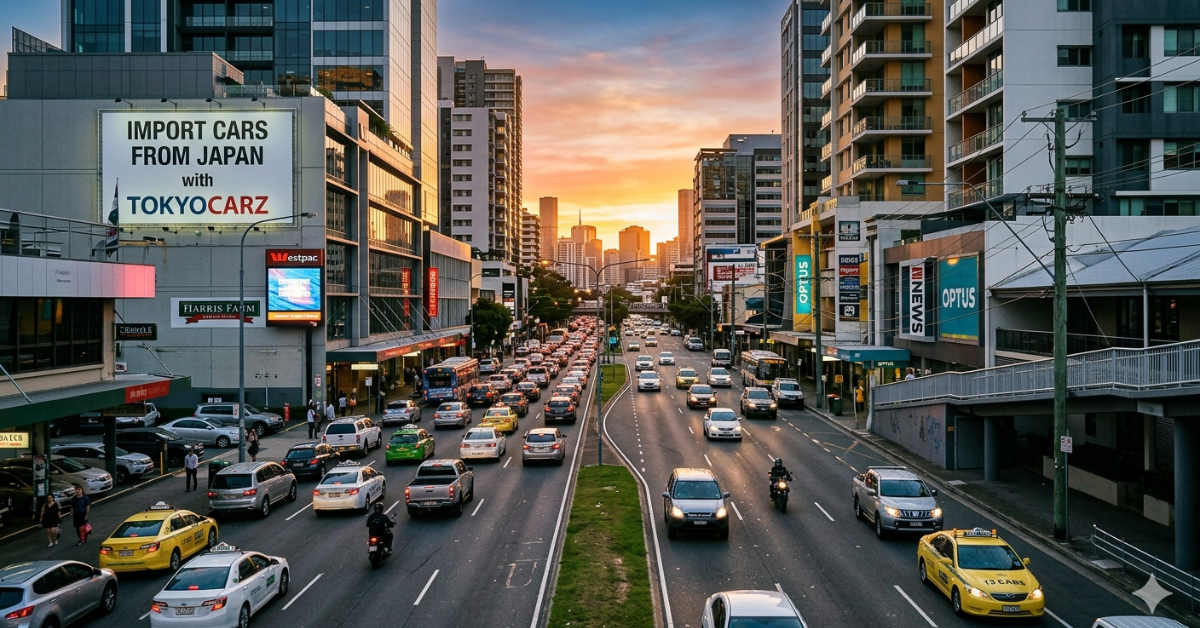
Looking to import cars from Japan to Australia? TokyoCarZ helps buyers in Australia access Japanese used cars, auction vehicles, and direct stock with worldwide shipping support. Whether you are searching for SUVs, pickups, hybrids, or JDM classics, our team can help you buy safely from Japan.
Discover the cheapest way to import Japanese cars to Australia without unexpected fees or compliance issues like failed inspection.
This guide covers a complete and up to date step by step import Japanese car Australia guide including full cost breakdown, taxes, and expert tips for first-time buyers.
For a broader overview of the import process across different markets, check out our complete step-by-step import guide .
Why Import Cars from Japan to Australia
Japanese vehicles are known for good maintenance history, reliable condition, and strong value for money. Buyers in Australia often choose Japanese vehicles because of the wide selection, transparent auction system, and availability of both daily-use and premium models.
Additionally, Australian buyers save 20–30% compared to local dealer prices, even after shipping, duties, and compliance. The famous Japanese “Shaken” inspection system ensures every vehicle meets strict quality standards before auction.
To understand how Japanese auctions work and why they offer such high-quality vehicles, read our guide on how Japanese auctions work .
Import Regulations in Australia
Before shipping to Australia, buyers should confirm the current rules on vehicle age limits, inspection requirements, duties, taxes, and documentation. Australia import requirements include:
Vehicle age limit: 25-year rule for classics (vehicles built before 2001 can be imported without compliance). Newer vehicles must qualify under SEVS or be personally imported. View more details on SEVS eligibility.
Steering position: Left-Hand Drive vehicles are restricted; Right-Hand Drive (RHD) preferred as Australia drives on the left
Inspection requirement: Compliance plate approval (vehicle must meet Australian Design Rules or ADR). View ADR compliance requirements for Japanese cars Australia
Main taxes/duties: 5% customs duty + 10% GST on (CIF + Duty). Luxury Car Tax (LCT) applies above certain thresholds
Key destination ports: Brisbane, Sydney, Melbourne, or Fremantle
Shipping Options from Japan to Australia
TokyoCarZ can arrange Ro-Ro (Roll-on/Roll-off) and container shipping from Japan to Brisbane, Sydney, Melbourne, or Fremantle. Transit time depends on vessel schedule, shipping method, and port congestion.
| Shipping Method | Transit Time | Best For |
|---|---|---|
| Ro-Ro | 10 – 18 weeks | Budget-friendly, running vehicles |
| Container (20ft/40ft) | 10-18 weeks | High-value vehicles, extra protection, non-running cars |
Customers can choose between budget-friendly RoRo shipping or container shipping for extra protection and multi-unit export.
Ready to start? Browse vehicles available for export to see what is currently available.
How much does it cost to import car from Japan to Australia?
In most cases, the total cost will vary depending on the Yen power, type of vehicle(s) you are importing and the Japan exporter you choose to facilitate the entire import process. This is why its very important to work with only the best and avoid extra costs or markup fees that may increase the total landing cost significantly.
Here is a full cost break down and a real world cost example in 2026.
- Shipping & Freight (RoRo): AUD $1,500 – $3,000+.
- Import Duties: 5% of the vehicle’s FOB (Free On Board) value (usually 0% for vehicles >30 years old).
- Goods and Services Tax (GST): 10% of the total value (vehicle cost + insurance + shipping + duty).
- Compliance/Inspection: AUD $1,500 – $3,000+ to make the car roadworthy.
- Agent/Broker Fees: Roughly AUD $1,000 – $2,000.
- Other Costs: Marine insurance, cleaning/stink bug treatment, and local transport.
Real-world cost example: A 2019 Toyota Land Cruiser with CIF value AUD 50,000:
Customs Duty (5%): AUD 2,500
GST (10% on CIF + Duty): AUD 5,250
Port fees and compliance: AUD 2,000–3,000
Total landed cost: Approximately AUD 60,000–61,000
Most Popular Japanese cars For Australia import
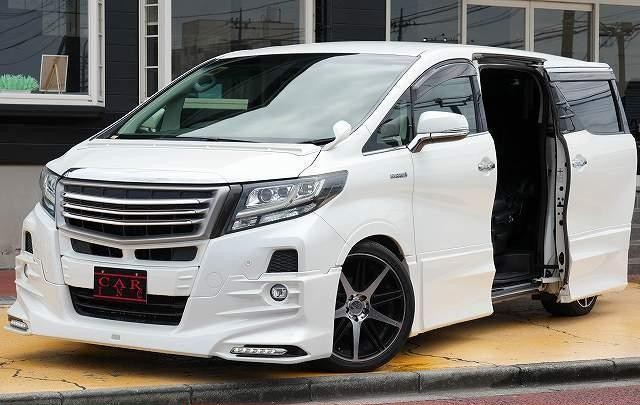
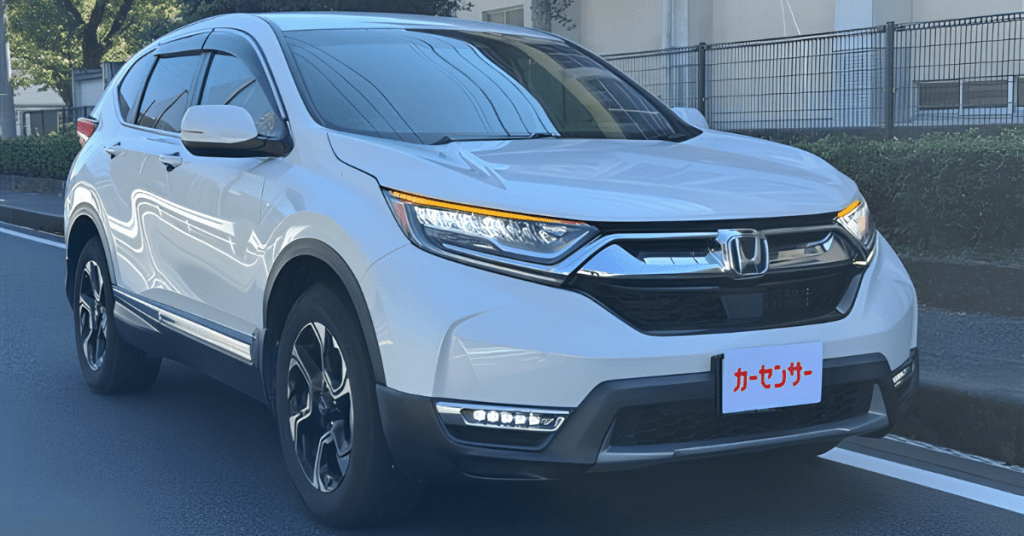
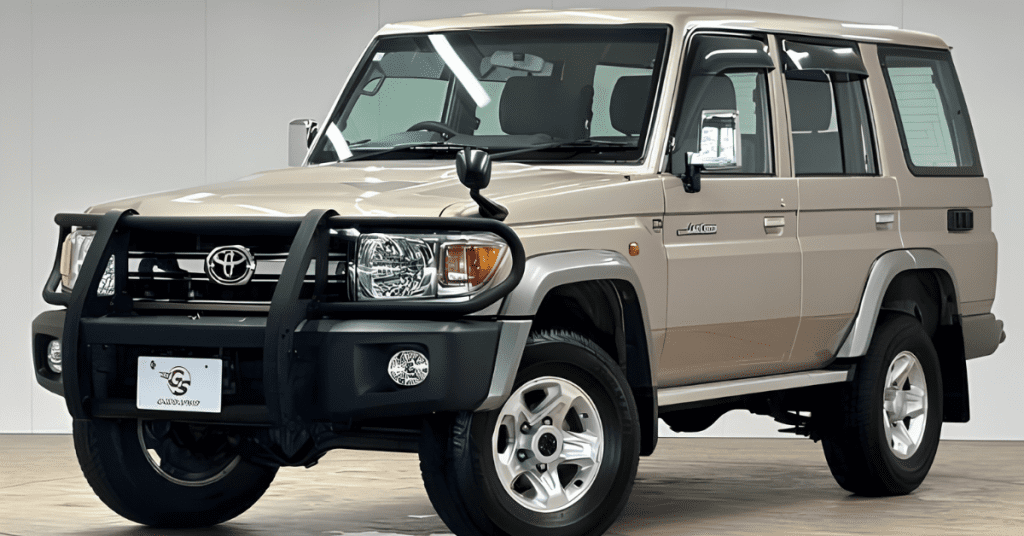
Popular imports in Australia include:
| Category | Models | Why Australians Choose Them |
|---|---|---|
| 4WD & Off-Road | Toyota Land Cruiser, Toyota Hilux, Nissan Patrol, Mitsubishi Pajero | Unmatched durability, towing capacity, and off-road capability |
| SUVs | Subaru Forester, Mazda CX-5, Toyota RAV4 | Reliability, all-wheel drive, family-friendly |
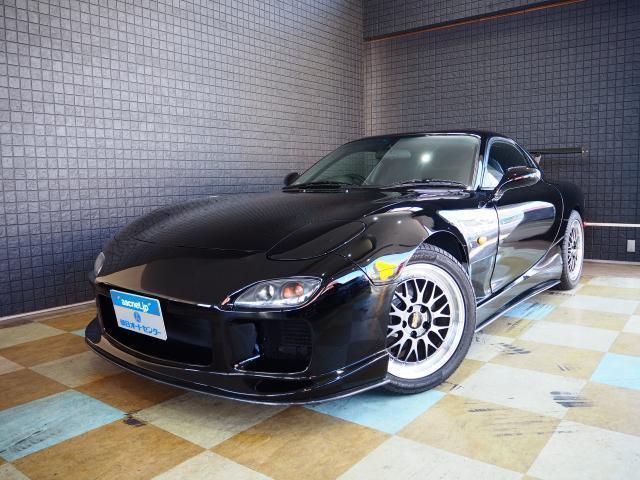
| JDM Classics | Nissan Skyline GT-R, Toyota Supra, Mazda RX-7, Honda NSX | Performance heritage, 25-year rule eligibility, investment potential |
These models dominate Australian roads due to their durability, off-road capability, towing capacity, and strong resale value. Additionally, Japanese auction versions often have lower mileage and better documentation than locally available alternatives.
How To Buy and Import Japanese Used Cars to Australia with TokyoCarZ
Tell us what vehicle you need – Share your budget, preferred model, year, and specifications
Browse auctions or stock – Access live Japanese auctions or choose from our One Price ready-to-ship inventory
Confirm price and condition – Review auction sheets, photos, and pre-bid inspection reports
Make payment – Secure payment through JUMVEA Safe Trade (JUST) protection
We arrange export and shipping – TokyoCarZ handles documentation, shipping, insurance, and Australian compliance coordination
Ready to start? Contact TokyoCarZ for a personalized consultation and shipping quotation.
Browse Vehicles Available for Export to Australia
Browse vehicles available for export to Australia or contact TokyoCarZ for a shipping quotation.
Frequently Asked Questions (FAQs)
1: Can I import used cars from Japan to Australia?
Yes. Australia allows used car imports from Japan under specific conditions: vehicles must be over 25 years old (classics) or qualify under the SEVS (Specialist and Enthusiast Vehicle Scheme) for newer models.
2: What is the age limit for imported cars in Australia?
The 25-year rule allows vehicles built before 2001 to enter without compliance. Newer vehicles must be approved under SEVS or personal import schemes.
3: What is SEVS eligibility for imported cars?
To qualify for the SEVs Register, a vehicle must generally not have been sold new in Australia and must meet specific criteria such as high performance, environmental efficiency, mobility accessibility, rarity, left-hand drive configuration, or campervan design.
4: How do I register an imported car in Australia?
To register an imported vehicle, you need to secure a Vehicle Import Approval via the ROVER portal, ensure any required modifications are carried out by a licensed workshop to comply with the Australian Design Rules, and then submit the vehicle for a state roadworthy inspection.
5: Which port is usually used for shipping to Australia?
Major ports include Brisbane, Sydney, Melbourne, and Fremantle. Brisbane is the most common for East Coast deliveries.
6: Is inspection required before export to Australia?
Yes. Pre-shipment inspection verifies vehicle condition and compliance. Additionally, compliance plate approval must be arranged before registration in Australia.
7: What documents are needed to import a car to Australia?
To import a car, you’ll generally need proof of ownership (such as a bill of sale), the vehicle’s Japanese export certificate, a valid Vehicle Import Approval (VIA) from the ROVER system, and a commercial invoice for customs valuation and GST purposes.
8: How long does shipping from Japan to Australia take?
Shipping takes approximately 10-18 weeks direct from Yokohama or Nagoya to major Australian ports.
9: Can I buy auction cars through TokyoCarZ?
Yes. TokyoCarZ provides direct access to Japanese auctions (USS, AUCNET, TAA) with pre-bid inspections and full documentation support.
10: How do I avoid quarantine issues when importing a car?
The vehicle should be professionally steam-cleaned inside and out, including the undercarriage and engine bay, to ensure it is fully free from soil, plant matter, and insects before export from Japan.
View common contamination hotspots that biosecurity officers check.
Related Resources
Note: Tax rates, compliance requirements, and import regulations are subject to change. Always verify current requirements with Australian Department of Infrastructure, Transport, Regional Development, Communications and the Arts, or a licensed customs agent before purchasing.
