


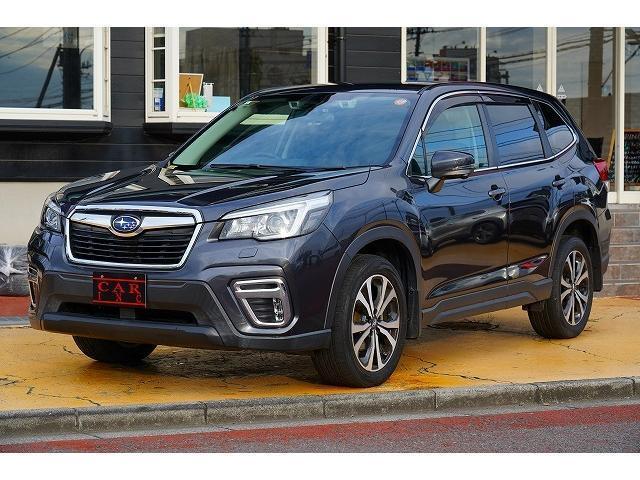
The Subaru Forester trim levels aren’t just names on a spec sheet. They represent a family of vehicles sharing the same platform, engine, and all-wheel-drive system, but tailored to very different buyers.
Understanding the trim structure before you import saves you from paying for features you don’t need or missing out on ones you do.
This guide breaks down how Forester trims work, what changed across generations, and how to read the model codes that confuse first-time buyers.
How Forester Trims Evolve: Generations and Refresh Cycles
Every five to seven years, a vehicle undergoes a total redesign called a new generation. During these major shifts, manufacturers introduce new trim levels or retire old ones.
Here’s how the Subaru Forester trim levels changed over recent years:
| Model Year | Trims Available | Key Change |
|---|---|---|
| 2019–2021 | Base, Premium, Sport, Limited, Touring | Five trims; no Wilderness or hybrid |
| 2022 | Base, Premium, Sport, Limited, Wilderness, Touring | Wilderness added—first rugged off-road trim |
| 2025+ | Base, Premium, Sport, Wilderness, Limited, Touring + Hybrid variants | New generation; hybrid powertrain introduced |
The takeaway: you’ll see the same trim names year after year, but a 2019 Premium and a 2024 Premium have different tech, styling, and standard equipment.
Always verify the specific model year, not just the trim name.
Don’t Confuse Model Codes (SK9, SKE) with Trim Levels
This is where most buyers get confused.
SK9 and SKE are not trim levels. They are model codes that tell you what’s under the hood:
| Model Code | Engine | Fuel Type |
|---|---|---|
| SK9 | 2.5L naturally aspirated | Petrol |
| SKE | 2.0L e-BOXER | Mild hybrid |
Here’s the correct order of decision-making:
Choose your engine – SK9 (powerful 2.5L) or SKE (fuel-saving 2.0L e-BOXER Hybrid)
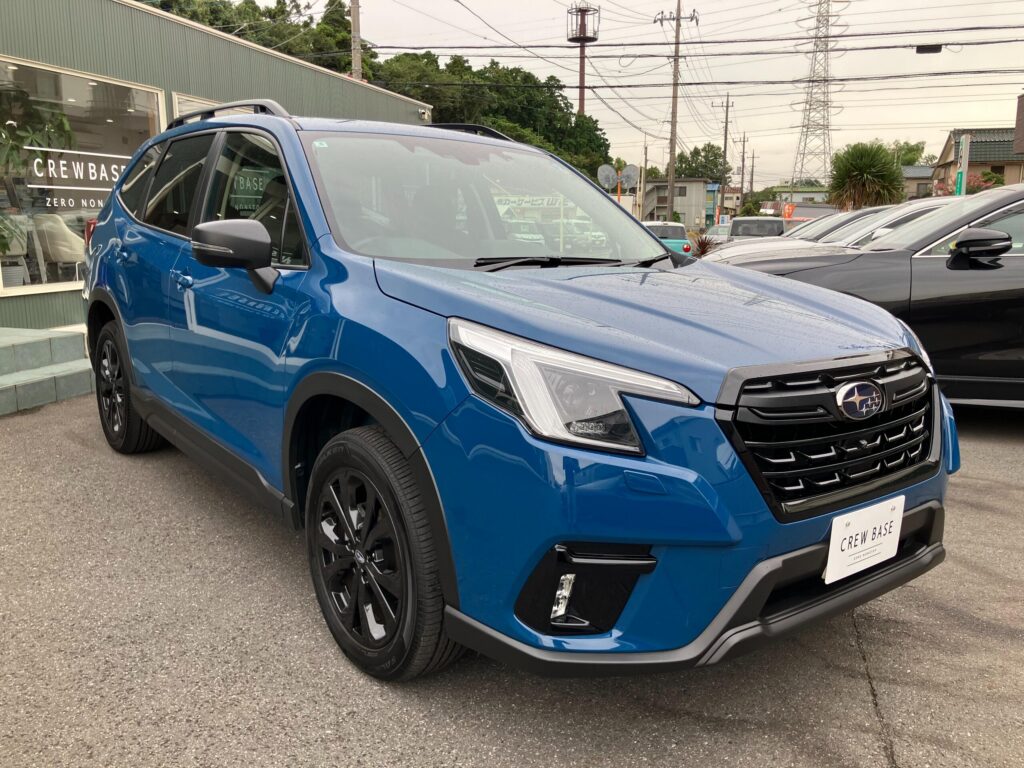
Then choose your trim – Sporty X-BREAK, upscale Advance, or others
The X-BREAK and Advance are trim styles, not model codes. They sit on top of the SK9 or SKE platform.
Don’t Confuse Model Codes (SK9, SKE) with Trim Levels
This is where most buyers get confused.
SK9 and SKE are not trim levels. They are model codes that tell you what’s under the hood:
| Model Code | Engine | Fuel Type |
|---|---|---|
| SK9 | 2.5L naturally aspirated | Petrol |
| SKE | 2.0L e-BOXER | Mild hybrid |
Here’s the correct order of decision-making:
Choose your engine – SK9 (powerful 2.5L) or SKE (fuel-saving 2.0L e-BOXER Hybrid)
Then choose your trim – Sporty X-BREAK, upscale Advance, or others
The X-BREAK and Advance are trim styles, not model codes. They sit on top of the SK9 or SKE platform.
The Core Subaru Forester Trim Levels Explained
Base
The entry point. Cloth seats, 17-inch steel wheels, standard EyeSight safety. Good value, but basic.
Premium
Adds alloy wheels, roof rails, heated seats, a leather-wrapped steering wheel, and a power driver’s seat. The sweet spot for most buyers.
Sport
Sporty styling inside and out—black-finish wheels, orange accents, paddle shifters, and drive mode selection. Same engine, sharper look.
Wilderness (2022+)
The rugged one. Raised suspension (9.2 inches vs 8.7), all-terrain tyres, dual-function X-Mode, and water-resistant StarTex upholstery. Built for mud, snow, and trails.
Limited
Leather upholstery, 18-inch wheels, blind-spot detection, dual-zone climate, and a power rear gate. Premium comfort without the top-tier price.
Touring
The flagship. Leather with Dinamica inserts, 19-inch wheels, DriverFocus distraction mitigation, and premium audio. Everything included.
What Changed in the 2025 Generation
The sixth-generation Forester (2025+) introduced:
Hybrid variants for Premium, Sport, Limited, and Touring
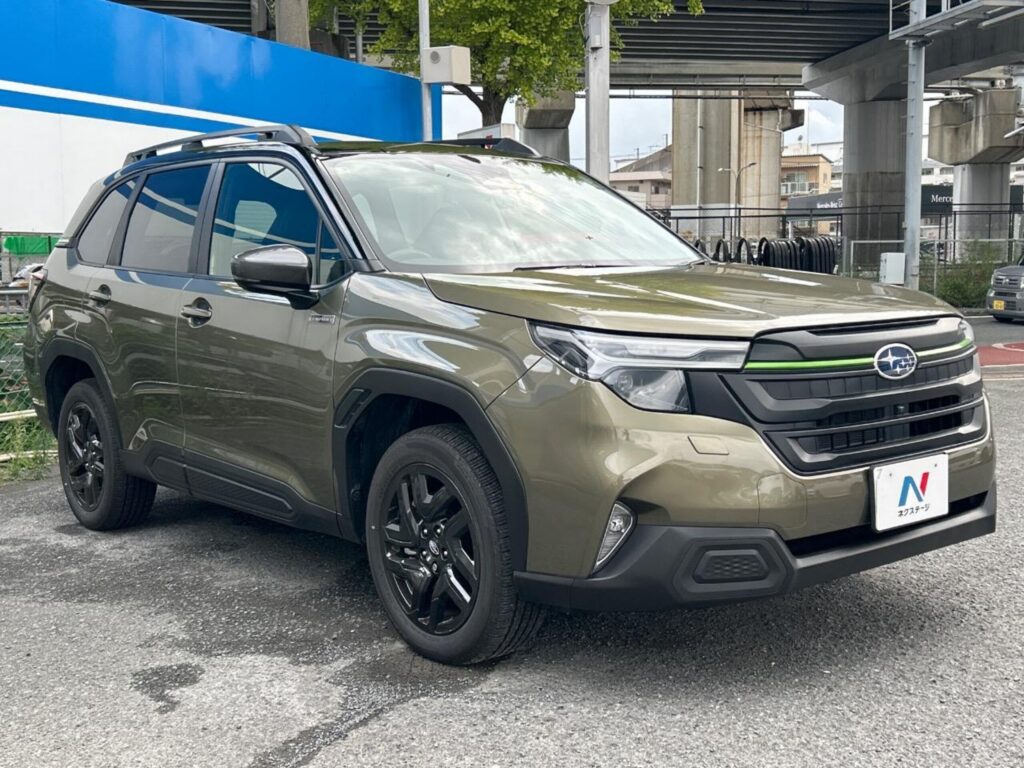
New Japanese trims including X-BREAK and Premium S:HEV with the strong hybrid system
EyeSight X advanced driver assistance on select trims
If you’re importing a 2025 or newer Forester from Japan, expect Subaru Forester trim levels like X-BREAK, Premium S:HEV, and Sport EX that don’t exist in Western markets.
Quick Reference: Which Subaru Forester Trim Level for Which Buyer?
| If You Want… | Choose This Trim |
|---|---|
| Best value | Premium |
| Sporty looks | Sport or X-BREAK |
| Off-road capability | Wilderness |
| Premium comfort | Limited |
| Top-of-the-line features | Touring |
| Best fuel economy | Any Hybrid variant |
Ready to find your Forester? Contact TokyoCarZ for current auction listings and expert trim advice.
Frequently Asked Questions (FAQs)
1. Which Subaru Forester years should I avoid?
The worst years include 1998–2001 (head gasket failures), 2011–2013 (excessive oil consumption, airbag issues), and 2014–2017 (engine stalling, CVT problems). The 2019 model also has notable complaints about windshield cracking and battery drain. Stick to 2016+ models with documented service history.
2. What are the most common problems with a used Forester?
Excessive oil consumption (especially in 2.5L engines), CVT transmission shuddering, windshield stress cracking, and premature battery failure. The thermo control valve on 2019–2021 models is also a known weak point. Always request a pre-bid inspection.
3. How many kilometres can a Subaru Forester last?
With proper maintenance, Foresters regularly exceed 300,000 km. The key is regular oil changes and timely CVT fluid service every 60,000 km.
4. Is the Subaru Forester reliable?
Yes. RepairPal gives it a 3.5/5 reliability score, and JD Power rates it above average. Most owners report positive experiences when the car is serviced on schedule.
5. Which Forester trim is best?
The Premium is the sweet spot for most buyers. The Wilderness is best for off-road use. Since non-hybrid trims share the same mechanicals, buying a higher trim used costs little more than a base model.
6. What is the difference between the Forester and the Outback?
The Forester is a taller, more upright SUV with better visibility. The Outback is a lifted wagon with a longer body, more cargo space, and a smoother ride.
7. Is a Japanese-import Forester different from a local one?
Japanese-market Foresters often have lower mileage, better condition, and trim levels (like X-BREAK or Advance) not sold elsewhere. Many come with features like 360-degree cameras and electric rear gates.
8. What is the difference between the Forester Turbo and Non-Turbo for Kenyan roads?
The Turbo (XT) offers 240–260 hp but uses more fuel and costs more to maintain. The Non-Turbo (2.0i, X, L) delivers 150–170 hp with better fuel economy (11–15 km/L) and is easier to service in rural areas.
9. What documents do I need to import a Forester to Kenya?
Bill of Lading, Export Certificate, Japan Logbook (cancelled), Inspection Certificate (QISJ), Commercial Invoice, KRA PIN, and ID/Passport. These must arrive before the vessel reaches Mombasa.
10. How long does it take to import a Forester to Kenya?
Typically 6–8 weeks from purchase confirmation to delivery in Nairobi, depending on shipping schedules and port clearance.
11. What is the real cost of importing a Forester to Kenya?
Taxes include 35% import duty, excise, 16% VAT, IDF, and RDL. Buyers should budget for the full landed cost — not just the auction price. A buyer who imported a Forester Sport secured a Sh2.5M loan but faced a Sh1.2M tax bill.
12. Should I buy a hybrid Forester?
The e-Boxer hybrid offers minimal fuel savings and feels underpowered. Most reviewers recommend the conventional petrol engine instead.
13. How do I avoid scams when importing?
Use JUMVEA-registered exporters, verify their physical address, avoid untraceable payment methods, and always cross-reference auction sheets.
14. What is the difference between SK9 and SKE?
SK9 and SKE are not trim levels — they are model codes. SK9 means the 2.5L petrol engine. SKE means the 2.0L e-BOXER hybrid. Choose your engine first, then your trim.
