


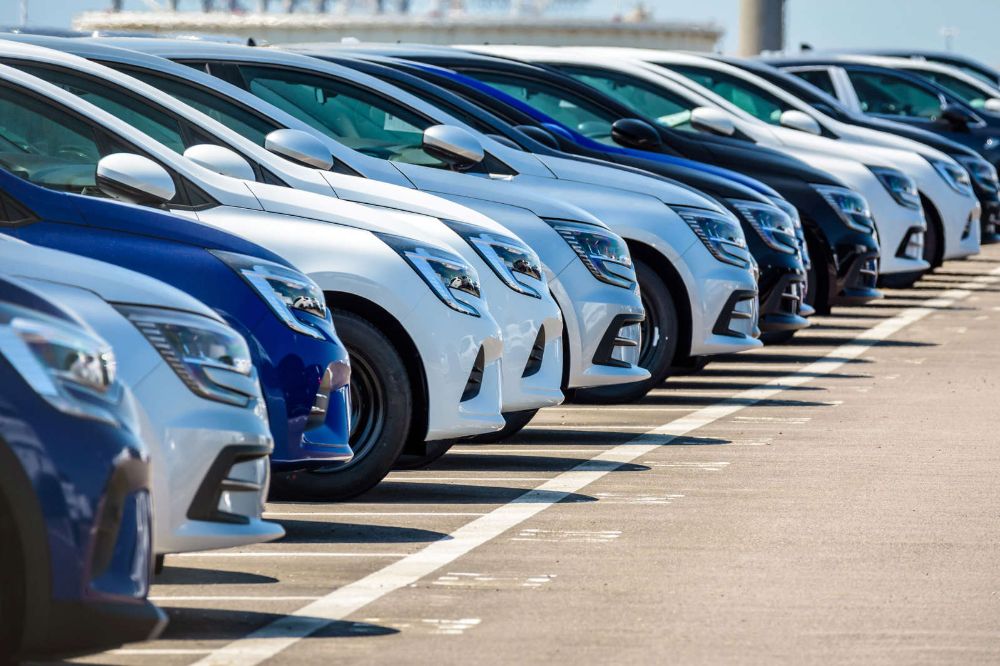
Did you know buying directly from Japan can save up to 50% compared to sourcing locally?
A Nissan R34 Skyline for sale at a Japan car auction with 80k miles costs ~$32,000. The same car with 100k miles will cost you ~$60,000 from a local dealer. What’s the catch?
(The figures could be adjusted, but the argument holds.)
Most vehicles you see sitting on a showroom floor in UK or listed on a Melbourne enthusiast forum, didn’t magically appreciate 50% the moment it touched foreign soil. It was repriced—not revalued. The market you’re buying from isn’t the same market the dealer sourced from. And that delta isn’t scarcity; it’s friction.
Welcome to the JDM (Japan Domestic Market) Tax: the premium applied once any japan car like the Toyota Land Cruiser Prado leaves Japan.
It’s the cost of convenience, inventory carry, marketing, and the dealer’s assumption that you don’t know how to access the source.
But you do. And TokyoCarZ exists to keep it that way.
We will review the cost, quality, and lead times of buying directly from Japan to demonstrate why eliminating the middleman is the smarter choice.
The Cost Comparison: Can importing directly from Japan actually save you money?
Let’s start with what you actually pay when you buy a JDM vehicle locally versus importing directly through Japan car auctions. We’ll build a landing cost model that accounts for every variable—because the price at an auction is just the starting point once you add duty, port fees, and compliance math.
Local Dealer Math
A used cars local dealer in the US or Australia typically operates on 10-15% gross margin on vehicles under $50,000.
The average dealer, sits on used inventory for 40–45 days, incurring $35–$50 per day in holding costs after the first 30 days, plus depreciation of 1–2% monthly.
You’re not only paying for the car; you’re paying for the dealer’s sourcing capability and their carrying cost while it sat in the yard.
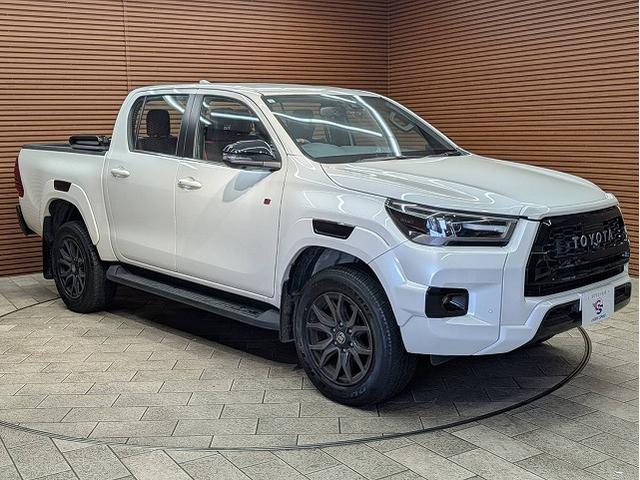
Case Study: 2001 Toyota Land Cruiser Prado (TX, 2.7L Gasoline)
To make this a realistic comparison for 2026, we’re using a 2001 Toyota Land Cruiser Prado TX.
Following Australia Legal Regulations, this model is over 25 years old, exempting it from costly DOT and EPA federalization requirements and fully legal to import into Australia today. The “TX” is the popular, no-frills workhorse trim, offering a rugged 4WD experience.
Option 1: Buy from a Local US Used Cars Dealer
This is the “turnkey” option. You pay a premium for convenience, immediate availability, and the dealer’s vetting process.
| Line Item | Cost | Notes |
|---|---|---|
| Asking Price | $26,900 | Estimated retail price for a clean, low-mileage 2001 Prado TX from a specialty JDM dealer in the US . |
| Sales Tax (est. 7%) | $1,883 | Varies by state. |
| Dealer Doc Fee | $499 | Average dealer processing fee. |
| Total Out-the-Door (OTD) | $29,282 | The total cash outlay for a car you can drive home today. |
Option 2: Import Yourself via a JDM Exporter (e.g., TokyoCarZ)
This path requires patience but offers significant potential savings by cutting out the local middleman. The estimated costs reflect the 25-year exemption.
| Line Item | Cost | Notes |
|---|---|---|
| Auction Hammer Price | ~$7,800 | Based on auction data for a 2001 Prado TX (RZJ95W, 2.7L gas, Grade 3.5-4) with 70k-90k km . |
| Exporter Fees (Auction, FOB) | $1,800 | Estimated lump sum for Japan auction fees, export certificate, inspection, and port charges. |
| Ocean Freight (RORO) | $1,750 | Estimated cost for Roll-on/Roll-off shipping from a major Japan port to the US West Coast . |
| Cargo Insurance | $150 | Recommended insurance during transit (approx. 1% of the vehicle’s value). |
| Australia Customs Duty (5%) | ~$240 | 5% of the purchase price + freight + insurance (CIF value) . |
| Customs Broker Fee & ISF | $350 | Fee for broker to handle customs clearance and Importer Security Filing. |
| EPA/DOT Compliance | $0 | Vehicles over 25 years old are exempt from federal safety and emissions compliance costs . |
| Port Handling / Transport | $700 | Fees for releasing the car from the port and trucking it to your local address. |
| Total Landed Cost | $12,790 | The total cost to get the car to your driveway, ready for state registration. |
| State Registration & Tax | $2,000 | Estimated state-level sales tax and registration fees (based on the car’s purchased value). |
| Final OTD (Self-Import) | $14,790 | The total all-in cost after the car is registered. |
The Bottom Line
This breakdown reveals a significant financial advantage to the DIY import route.
Local Dealer Cost: $29,282
Self-Import Cost: $14,790
By importing the 2001 Prado TX yourself, you save $14,492, which is nearly 50% of the local dealer’s asking price.
This delta represents more than just profit for the local dealer . You’re paying for their sourcing capability (finding a clean example in Japan), their assumption of risk (transport damage, unseen mechanical issues), and their carrying costs—the expense of having that car sit on their lot for 45, 60, or even 90 days, accruing financing and storage fees until a buyer like you walks in.
The choice is yours: pay a premium for convenience and immediacy, or do the legwork yourself and pocket the savings.
The Quality Equation: Auction Sheets vs. “Trust Me Bro”
From my years of experience as a JDM exporter, the most persistent fear among first-time importers is simple: “I can’t see the car.”
This assumes that seeing a car in person guarantees honesty. It doesn’t.
It guarantees that you can touch the paint. It does not guarantee that the odometer is not faulty , that the frame is straight, or that the “fresh import” hasn’t been sitting in a New Jersey lot for eight months, accumulating electrical issues.
All in all Reputable JDM exporters have built trust systems (inspection reports, auction grades, photos) that address this fear.
According to a 2024 survey by Free Press 30-40% of first-time car importers overcome this fear annually.
Japanese Auction Grading: The Gold Standard
Every vehicle sold through major Japanese auctions (USS, TAA, ASNET, CAA, TokyoCarZ Live Auction) is accompanied by an auction sheet—a standardized, legally binding condition report.
| Grade | Meaning |
|---|---|
| Grade 4 | Excellent condition. Low mileage. Minimal wear. Well-maintained. |
| Grade 4.5 | Near-new. Often dealer demo or executive use. |
| Grade 3.5 | Average for age. Normal wear, minor scratches. |
| Grade R / RA | Repaired/rebuilt damage. Auction sheet discloses location and quality of repair. |
| Grade 0 / 1 | Structural damage, salvage, or severe rust. Usually not exportable. |
Critically, odometer fraud is functionally nonexistent in Japan’s auction system. Rolling back a meter is a criminal offense with severe penalties; auction houses verify history through shaken inspection records. A Grade 4 Japanese auction car with 60,000 km is more reliable than a “Certified Pre-Owned” local car with 55,000 miles and a dealer reconditioning sticker.
The Reframe
You aren’t buying an unseen car. You are buying a professionally graded, independently inspected, documented asset from a system that prioritizes disclosure over persuasion.
The local used car you’re considering? That’s the unseen car. You don’t know who detailed it, whether the accident was reported, or if the timing belt was actually done.
You have a conversation and a test drive. We have a sheet with 37 line items, a corrosion score, and a mandatory disclosure law.
Time, Risk, and the Instant Gratification Tax
Let’s be honest: importing takes time.
Local: Pay premium, drive home same day.
Import: Pay wholesale, wait 6–10 weeks.
But this isn’t just a transaction delay. It’s a depreciation strategy shift.
When you buy local, you’re buying a car that has already been imported, marked up, and often “detailed” to mask wear. You’re also paying for the dealer’s holding costs. The depreciation curve you inherit is flat—you’ve already paid the premium.
If you import via TokyoCarZ, you absorb Japanese depreciation, not local markup. A five-year-old Land Cruiser in Japan has already taken its steepest depreciation hit. You step in at the value floor. Even after shipping, duty, and compliance, you’re still below the local wholesale price.
3 Signs You’re Ready to Import
You’ve already spent three months watching local listings and feel like the prices are detached from reality.
You know exactly which chassis code, engine, and trim you want—and the local market has one, maybe two, options.
You understand that a 6-week wait for the exact vehicle is better than a “close enough” vehicle today.
Scenario Analysis: Real Buyer Personas
Persona A: The First-Timer (Kei Truck for Farm Work)
Local: 1996 Suzuki Carry for sale, on Facebook Marketplace, 120k km , “runs good,” faded paint, surface rust on frame. $7,500 OBO.
Import via TokyoCarZ: 2001 Honda Acty for sale, Grade 3.5, 48k km, clean undercarriage, A/C, power steering. Hammer price ¥380,000 (~$2,500). All-in landed: $5,950.
Verdict: Import.
Lower mileage, a few years newer, minimal cost delta. Kei trucks are the single best “gateway” import.
Persona B: The Enthusiast (Subaru Forester STI, SF chassis)
Local: Forester STI for sale on Enthusiast forum classifieds, 110k km, “fresh import,” some rust on rear quarters, aftermarket exhaust. $23,900.
Import via TokyoCarZ: 2001 Forester STI, Grade 4, 68k km, full service records, completely stock, auction sheet shows no rust. Hammer price ¥980,000 (~$6,500). All-in landed: $11,200.
Verdict: Import.
You’re paying $12,700 less for a documented car with 40% fewer kilometers. The “fresh import” on the forum was someone else’s auction win—with a markup.
Persona C: The Flipper (Volume Play)
Buying three vehicles at once via TokyoCarZ changes the freight math. RORO shipping scales non-linearly; a 40ft container can hold two large SUVs or three kei trucks. Splitting container freight and customs clearance across three units reduces per-unit logistics cost by 18–22%.
Viability: Yes, but only if you know your exit market. Flipping Land Cruisers works. Flipping Mitsubishi Minicab vans in Iowa requires pre-sold buyers.
The TokyoCarZ Advantage (Low Friction, High Transparency)
Going it alone is possible. It’s also painful.
The solo importer faces:
Language barriers with the auction house registration
Exporter scams on Yahoo! Auctions
Bank transfer friction (Japan still loves faxes and furikomi)
Shipping coordination across multiple forwarders
Customs paperwork errors that trigger exams and demurrage
TokyoCarZ is the bridge, not the toll booth.
We provide:
Live auction access to Japan’s largest wholesale platforms
Full auction sheet translation with interpretation of grade modifiers, repair history codes, and evaluation notes
Bid execution—you set the limit, we place the bid
Post-purchase logistics: payment, port handling, export certificate, freight booking, consolidation
Compliance guidance for EPA/DOT (under 25 years) and 25-year “classic” automatic exemption
You see the sheet. You set the budget. We execute.
Decision Matrix: Buy Local vs. Import via TokyoCarZ
| Factor | Buy Local | Import via TokyoCarZ |
|---|---|---|
| Speed |  Drive today Drive today |  6–10 weeks 6–10 weeks |
| Selection |  Limited to dealer inventory Limited to dealer inventory | 50,000+ units weekly across 15 auctions |
| Price | 30–50% markup | Wholesale hammer price |
| Transparency | History often incomplete | Certified auction grade, verified odometer |
| Condition Confidence | “Dealer certified” varies | Independent third-party grading |
| Compliance | Already registered | Buyer handles import docs |
| Vehicle Uniqueness | Common grades only | Rare trims, special editions, low miles |
Conclusion: Convenience Has a Price. You Choose.
Importing isn’t for everyone.
If you need a car tomorrow, if paperwork feels like a foreign language (literally), or if you value hand-holding over price transparency—buy local.
You’ll pay the JDM Tax, but you’ll pay it quietly, and the car will be in your driveway this weekend.
But if you’ve ever looked at a dealer’s price tag and thought, “That’s not what the car cost in Japan,” you were right.
The auction markets of Yokohama, Nagoya, and Osaka turn over tens of thousands of vehicles weekly like
- Grade 4 Land Cruisers,.
- Used Suzuki Kei works still wearing their factory tires.
They are priced for domestic wholesale, not international retail. They are documented, graded, and verifiable.
And they are accessible.
TokyoCarZ doesn’t sell you cars. We sell you access—to the same auctions the local dealers use, at the same prices they pay. The difference is, you keep the delta.
Ready to browse?
TokyoCarZ gives you access to live Japan’s car auctions and holds your hand through the entire import process. No markup. No mystery. Just the sheet, the bid, and the car.
Get In touch today.
Call/WhatsApp us : +254 710 733 333
Email: sales@tokyocarz.com
Browse more stock: https://www.tokyocarz.com
