



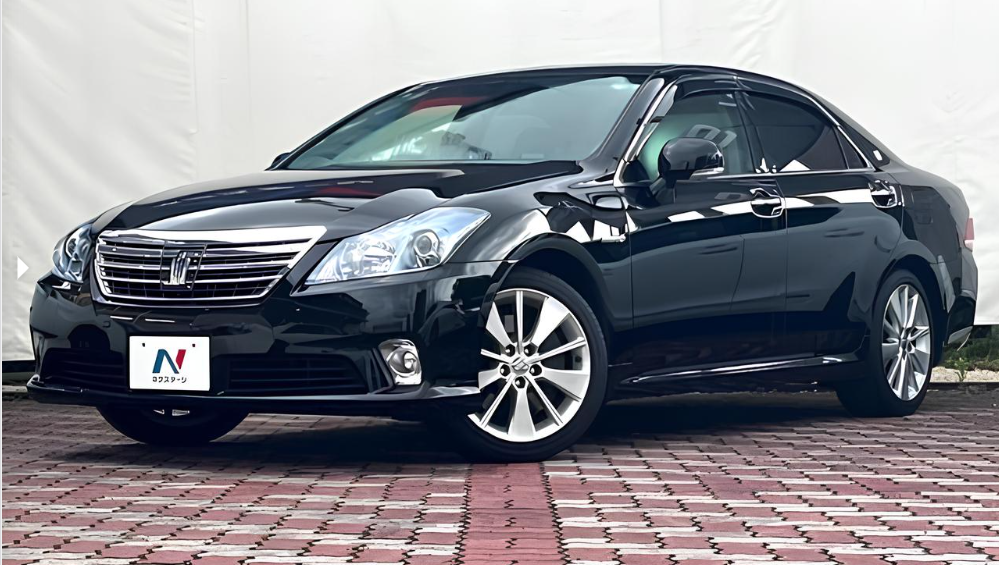
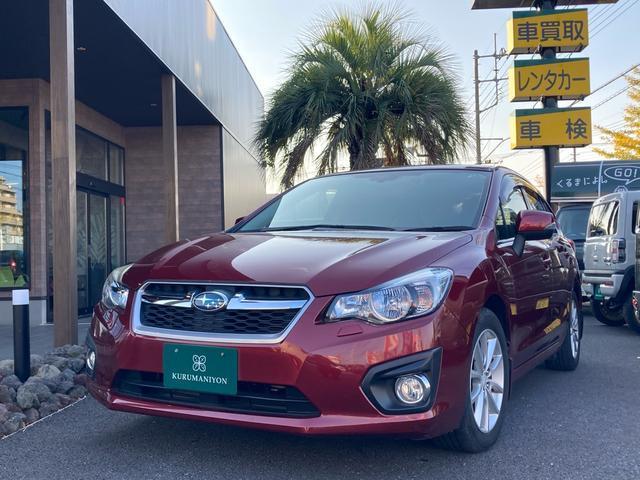
Drive through Kampala, Jinja, or Mbarara and you’ll notice a pattern. Toyota Premios glide through traffic. Toyota Passos squeeze into tight parking spots. Land Cruisers handle the rougher roads. If you’re ready to import cars from Japan to Uganda, you’re joining thousands of Ugandans who have discovered that sourcing directly from Japanese auctions delivers better quality at lower prices.
Japanese used cars aren’t just popular in Uganda, they’re the backbone of personal and commercial transport.
According to the Japan Used Motor Vehicle Exporters Association (JUMVEA) , Uganda’s imports from Japan saw a 40.8% increase from the 1,933 units imported in January 2025 to 2,723 units in January 2026.
Based on Uganda used cars and new cars trends, this growth trajectory is expected to continue driven by rising disposable incomes, a growing middle class, and increasing urbanization across the country.
However, the process can feel overwhelming. Navigating URA taxes, UNBS inspections, shipping to Mombasa, and cross-border transport can create confusion especially for first-time buyers.
If you’re a Ugandan driver, business owner, or fleet manager wondering how to import cars from Japan to Uganda without unexpected fees or bureaucratic delays, this guide is your complete roadmap.
Let’s be upfront: importing takes time.
From the moment you buy to driving in Kampala, expect 8 to 12 weeks. However, if done correctly, what arrives will be cleaner, better-documented, and thousands of dollars cheaper than anything you could find locally. For a broader overview of the process, check out our complete step-by-step import guide .
Why Ugandan Buyers Choose Japanese Used Cars
Lets review a few practical reasons why Japanese vehicles dominate Uganda’s roads.
- Strict “Shaken” Inspections: Japan’s mandatory bi-annual vehicle inspection is famously rigorous. It covers everything from brake pad thickness to headlight aim. Owners maintain their cars properly or face expensive repairs. Consequently, most sell before the next inspection is due, flooding the market with well-maintained vehicles.
- Low Mileage Culture: Japanese drivers typically cover shorter distances. Commutes are compact, and excellent public transit reduces daily wear. This results in lower mileage on engines, transmissions, and suspension components.
- Right-Hand Drive Compatibility: Uganda drives on the left. Japanese vehicles are right-hand drive by default. Therefore, registration is straightforward, and parts sourcing is simpler.
- Cost Advantage: After accounting for shipping, taxes, and transport from Mombasa, a direct import typically undercuts local dealer prices by 20–40%. That difference is significant, it can mean upgrading to a newer model or simply keeping more money in your pocket. To learn more and compare cost between buying local vs buying directly from Japan browse why buying from Japan can save you up to 50%
These are the core reasons thousands of Ugandans choose to import cars from Japan to Uganda every year.
Uganda – Car Import Regulations and Legal Requirements (2026)
Before you start browsing, consider the legal framework.
Understanding Uganda’s import duties and legal requirements for Japanese cars isn’t just compliance, it’s the foundation of a successful, stress-free import.
It prevents costly delays, port rejections, and unexpected expenses.
By making compliance your first step, you transform the import process from a daunting gamble into a controlled, predictable, and successful transaction.
These rules come directly from the Uganda Revenue Authority (URA) and the Uganda National Bureau of Standards (UNBS).
Steering Position and Age Limit
- Right-Hand Drive (RHD) Mandatory
Uganda drives on the left. Therefore, all imported vehicles must be right-hand drive. This aligns perfectly with Japan’s standard configuration.
- The 15-Year Rule (Critical)
Uganda enforces a 15-year age limit for the importation of motor vehicles, not 8 years. This rule was established under the Traffic and Road Safety (Amendment) Act 2018 and took full effect on October 1, 2018.
Special Permits: Older vehicles may only be imported with special permission from the Ministry of Works and Transport (for classic cars or specialized equipment). This is a rare exception, not a path for everyday imports.
Uganda Import Duties and Taxes (URA Calculations)
All taxes are calculated on the CIF Value, i.e Cost of vehicle + Insurance + Freight. Uganda uses a cascading tax structure, meaning each tax builds on the previous one
| Tax Component | Rate | Calculated On |
|---|---|---|
| Import Duty | 25% | CIF Value |
| Excise Duty | 15–30% (engine-dependent) | CIF Value + Import Duty |
| VAT | 18% | CIF Value + Import Duty + Excise Duty |
| IDF (Import Declaration Fee) | 1% | CIF Value |
Excise Duty Rates by Engine Capacity:
| Engine Capacity | Excise Duty Rate |
|---|---|
| Up to 1500cc | 15% |
| 1501cc – 2000cc | 20% |
| 2001cc – 3000cc | 25% |
| Above 3000cc | 30% |
Note: Hybrid and electric vehicles may qualify for reduced excise duty rates. Verify current rates with URA before bidding.
Real-World Uganda budget 2026 car import example:
Consider a 2019 Toyota Premio (1500cc) with a CIF value of UGX 25,000,000.
| Component | Calculation | Amount (UGX) |
|---|---|---|
| CIF Value | – | 25,000,000 |
| Import Duty (25%) | 25,000,000 × 25% | 6,250,000 |
| Excise Duty (15%) | (25,000,000 + 6,250,000) × 15% | 4,687,500 |
| VAT (18%) | (25,000,000 + 6,250,000 + 4,687,500) × 18% | 6,468,750 |
| IDF (1%) | 25,000,000 × 1% | 250,000 |
| Total Taxes | – | 17,656,250 |
Add approximately UGX 2,000,000 for port handling at Mombasa and transport to Kampala.
Total landed cost: App. UGX 44,656,250, often still cheaper than buying locally.
Japanese Car Inspection (Uganda National Bureau of Standards)
It is a Regulatory Requirement to ensure all Used Motor Vehicles come with a Certificate of Road Worthiness (CRW) from their Countries of Origin/Export prior to importation into Uganda under the Pre-Export Verification of Conformity (PVoC) Program.
As of March 2025, UNBS has contracted the following companies to conduct PVoC inspections for used motor vehicles in Japan
| Provider | Contact |
|---|---|
| Auto Terminal Japan (ATJ) | Chiba, Japan |
| EAA Company Limited (in consortium with East Africa Auto Technical Testing) | Kanagawa, Japan |
| Quality Inspection Services Inc. (QISJ) Japan | Yokohama, Japan |
After passing inspection, you receive either:
Certificate of Roadworthiness (CRW) – for used vehicles
Certificate of Conformity (CoC) – for new or specialized equipment
These certificates are mandatory for customs clearance in Uganda. Without one, your vehicle will not be released
Shipping Route: Japan → Mombasa → Kampala
Uganda is landlocked. Therefore, all sea shipments arrive at the Port of Mombasa, Kenya.
| Stage | Timeline | Details |
|---|---|---|
| Sea Freight | 4–6 weeks | From Japanese ports (Yokohama, Nagoya, Kobe) to Mombasa |
| Clearance at Mombasa | 3–7 days | Customs transit documentation, UNBS verification |
| Cross-Border Transport | 3–7 days | Truck transport to Kampala via Malaba or Busia border |
| Final Clearance in Uganda | 2–5 days | URA duty assessment and payment at border |
| Total | 8–12 weeks | From auction win to driving in Kampala |
How to Import Your Car from Japan to Uganda (Step-by-Step)
The process looks complex from the outside. Broken down step by step, it’s actually straightforward.
✔️ Step 1: Find and Secure Your Vehicle
You have two main options for sourcing your vehicle.
Option A: Access Live Auctions via TokyoCarZ
Japanese auctions happen daily. TokyoCarZ gives you direct access with full translation of auction sheets. You’ll see grades like:
Grade 4 or 4.5: Excellent condition, low mileage, minimal wear.
Grade 3.5: Average for age, normal scratches, runs well.
Grade R or RA: Repaired damage, the sheet discloses where and how.
Option B: Choose from fixed-price cars ready for import.
Some vehicles prices are fixed and very straightforward compared to bidding at auctions.
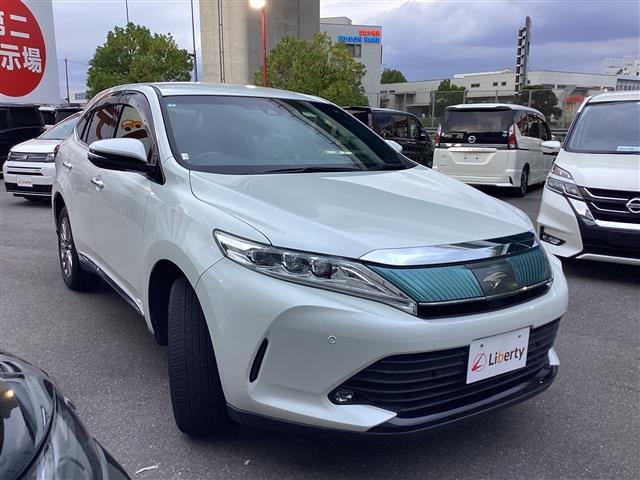
Key advice: Focus on models popular in Uganda like Toyota Premio, Passo, Vitz, Land Cruiser, and Harrier.
Additionally, verify the manufacturing year meets the 8-year rule before purchase. For tips on selecting a trustworthy partner, refer to our guide on the 10 best Japanese used car exporters .
✔️ Step 2: Payment and Japanese Export Documentation
Once you purchase, TokyoCarZ handles all Japanese export documentation:
Export Certificate (Yushutsu Shoumeisho): The most important document for Ugandan registration. Proves the vehicle was legally exported.
De-registration Certificate: Proof the car is no longer registered in Japan.
UNBS Pre-Shipment Inspection Certificate: Arranged in Japan before shipping.
Payment Protection: Funds are handled securely. TokyoCarZ’s JUMVEA Safe Trade (JUST) membership provides 100% money protection therefore, your payment is refunded if delivery fails.
✔️ Step 3: Shipping and Insurance from Japan to Mombasa
Your car is shipped via Ro-Ro (Roll-on/Roll-off) from Japanese ports to Mombasa. This is the most cost-effective method for running vehicles However, container shipping from Japan through Dar es salaam to Uganda is also available.
Marine Insurance: TokyoCarZ manages full replacement value coverage. Ships encounter rough weather, and containers occasionally shift. Insurance is inexpensive compared to losing your investment.
Throughout the voyage, we provide consistent updates so you you remain well informed throughout the process.
✔️ Step 4: Clearance at Mombasa and Transport to Kampala
At Mombasa Port: A licensed clearing agent (coordinated by TokyoCarZ) handles:
Kenya Revenue Authority (KRA) transit documentation
UNBS inspection verification
Payment of Uganda-bound transit fees
Cross-Border Transport: The vehicle is loaded onto a truck and transported to Kampala via the Malaba or Busia border crossings. This leg takes approximately 3–7 days depending on customs processing.
Final Clearance in Uganda: At the border, URA assesses final duties and taxes using the CIF value and vehicle details. Once paid, the vehicle is released.
Registration: Final step is registering with URA and Kampala Capital City Authority (KCCA) for Ugandan license plates.
For a detailed look at similar processes in neighboring countries, see our Kenya import guide and Tanzania import guide .
Best-Selling & Recommended Cars for Uganda by Category
The most popular Japanese models on Ugandan roads reflect different needs.
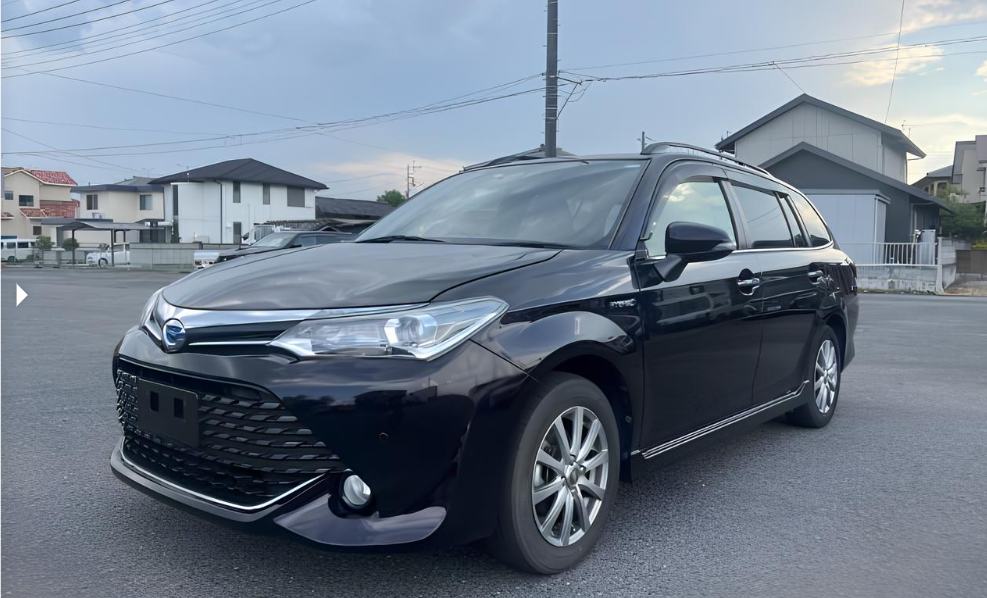
Family Sedans
Perfect for daily commuting, taxis, and family transport. Known for fuel efficiency and Toyota/Honda reliability.
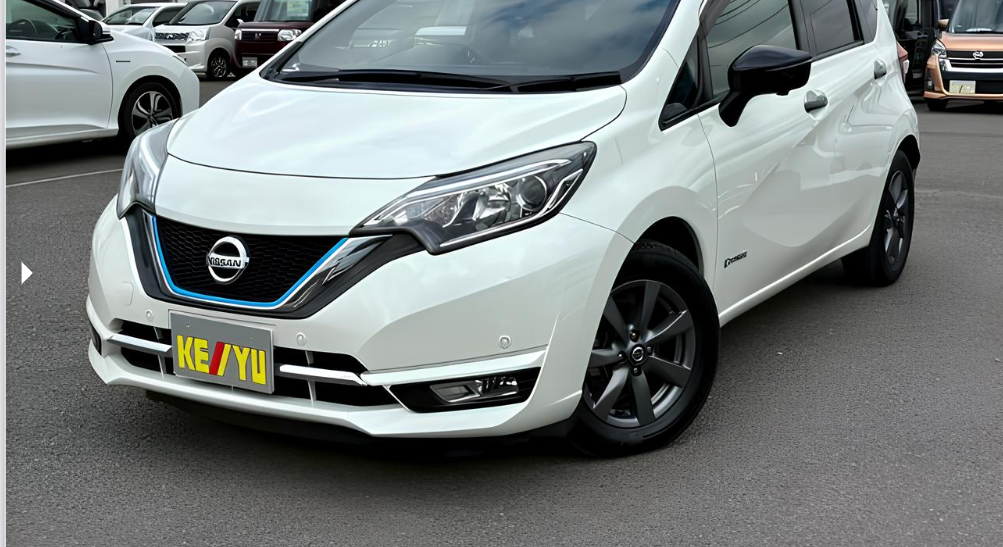
Urban Compact Cars
Affordable, agile, and perfect for navigating Kampala’s traffic.
Toyota Passo / Vitz / Raum
Nissan Note / March / Tiida
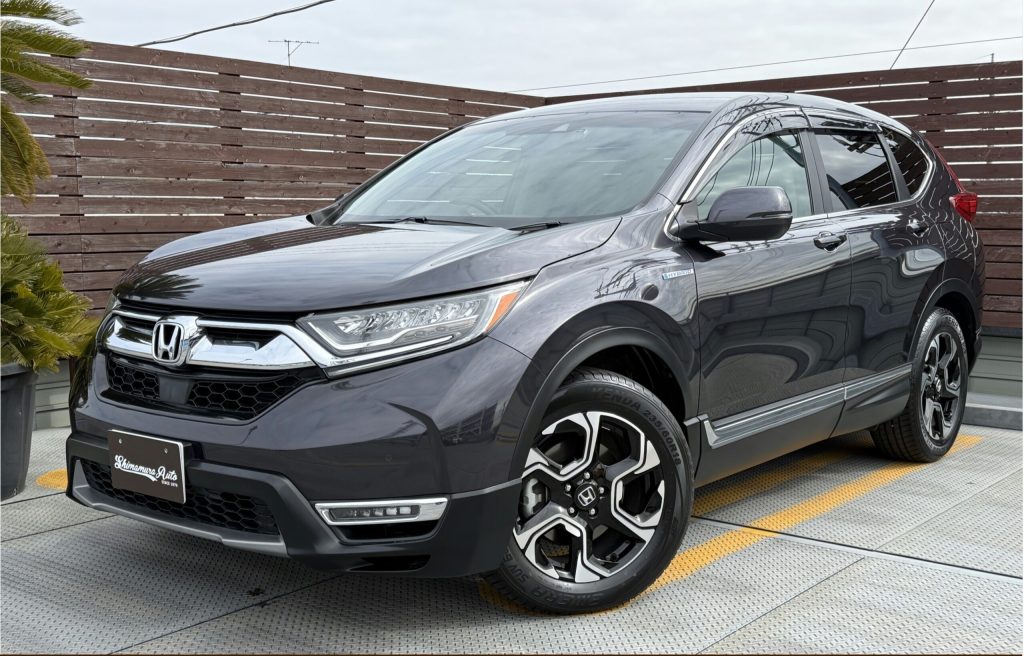
SUVs & Crossovers
Ideal for families, safari tourism, and rougher road conditions.
Toyota Harrier / RAV4 / Land Cruiser Prado
Nissan X-Trail / Dualis
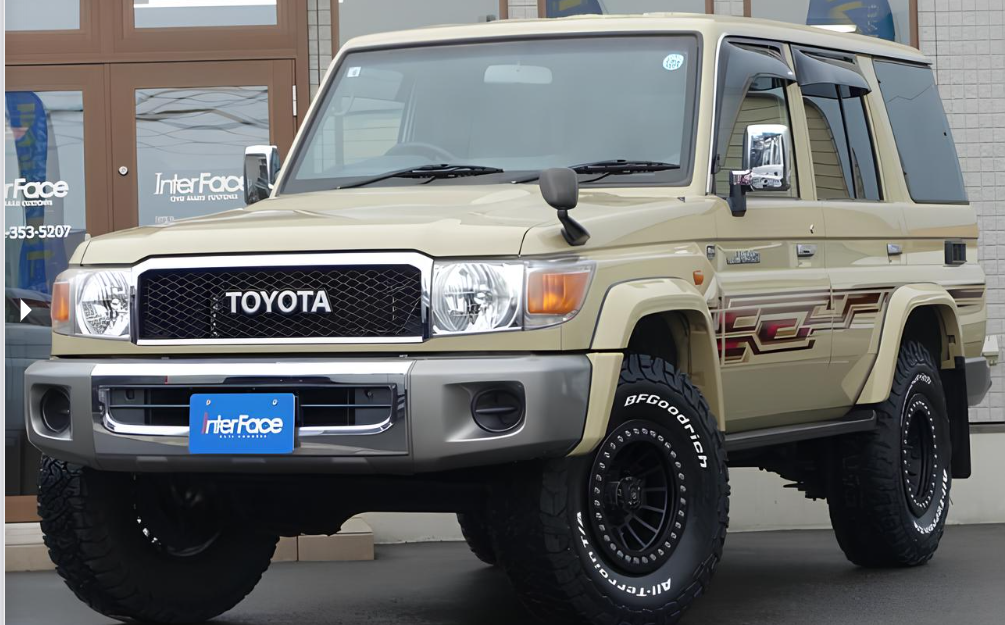
Commercial & Off-Road Vehicles
Built for construction, farming, and safari tourism.
Toyota Land Cruiser 70 Series / Hilux
Mitsubishi Pajero / Delica
For data on which models dominate export volumes globally, check our best-selling Japan used cars 2025 list .
The TokyoCarZ Advantage for Ugandan Buyers
- Auction & Market Expertise: Gateway to Japan’s largest auctions with real-time bidding on 100,000+ vehicles monthly.
- Unmatched Transparency: No hidden fees. Clear cost breakdowns, honest auction sheet translations, and full documentation.
- Compliance-First Approach: We stay updated on URA, UNBS, and 8-Year Rule regulations. Therefore, your vehicle selection and documentation are compliant from day one.
- End-to-End Guidance: A personal advisor guides you from search to final delivery in Kampala. One point of contact throughout.
- Logistics Network: Established relationships with clearing agents at Mombasa and trusted transporters to Uganda. Consequently, your vehicle moves smoothly across borders.
Frequently Asked Questions (FAQs) – 2026 Uganda Focus
Q1: What is the maximum age of a used car I can import to Uganda?
A: Uganda enforces an 15-Year Rule. You cannot import a vehicle older than 15 years from its year of manufacture. For example, In 2026, the oldest non-commercial vehicle you could legally import into Uganda would be from the year 2011 (based on the 15-year threshold).
Q2: How are import taxes calculated for a car from Japan to Uganda?
A: Taxes are based on the CIF Value (Cost + Insurance + Freight). They include Import Duty (25%), Excise Duty (15–30% depending on engine size), VAT (18% of the cumulative value), Withholding Tax (6%), and IDF (1%). Additionally, there are port handling fees and transport costs from Mombasa to Kampala.
Q3: Do I need an inspection in Japan before shipping?
A: Yes, it is mandatory. All used vehicles imported to Uganda must undergo a pre-shipment inspection by a UNBS-approved agent (EAA, QISJ OR ATJ) in Japan. This produces a Certificate of Roadworthiness required for clearance. TokyoCarZ arranges this for you.
Q4: Why do cars go through Mombasa instead of directly to Uganda?
A: Uganda is a landlocked country with no direct sea port. Therefore, all sea shipments arrive at the Port of Mombasa, Kenya, then are transported by truck to Kampala via the Malaba or Busia border crossings.
Q5: How long does shipping take from Japan to Uganda?
A: Sea freight from Japan to Mombasa takes 4–6 weeks. Cross-border transport to Kampala adds another 3–7 days. Consequently, total time from auction win to driving the car is typically 8–12 weeks.
Q6: Can I import a hybrid or electric vehicle?
A: Yes. Hybrids (like Toyota Prius, Aqua, or Nissan Note e-Power) often qualify for reduced excise duty rates, making them an attractive option. Electric vehicles (EVs) may also benefit from tax incentives. However, verify current URA rates before bidding.
Q7: Is it cheaper to import a car from Japan or buy locally in Uganda?
A: In most cases, importing directly from Japan is 20–40% cheaper than buying a comparable vehicle from a local dealer in Kampala. The savings come from bypassing local dealer markups. However, the trade-off is the 8–12 week waiting period.
Q8: How do I verify an inspection certificate for a car imported from Japan to Uganda in 2026?
A:Importers are increasingly wary of fraudulent documentation. They look for ways to cross-check chassis numbers on official service provider portals like AutoTerminal or QISJ to ensure the Certificate of Conformity (CoC) is genuine.
Q9: What happens if my car fails UNBS inspection?
A: If a car fails the mandatory pre-shipment inspection in Japan, it cannot be shipped to Uganda. The vehicle must either be repaired and re-inspected in Japan or replaced with a compliant alternative. A reliable exporter will identify inspection risks before purchase to avoid delays.
Q10: What documents do I need to register my imported car in Uganda?
A: You will need:
Export Certificate (Yushutsu Shoumeisho)
UNBS Certificate of Roadworthiness
Bill of Lading
URA Tax Assessment and Payment Receipt
Personal identification (Passport or National ID)
KCCA registration fees
For a deeper dive into documentation requirements, see our general import guide .
Conclusion & Next Steps
Successfully importing a car from Japan to Uganda requires understanding three critical pillars: the 8-year age rule, accurate URA tax calculations, and proper UNBS pre-shipment inspection. When these elements are handled correctly, the process becomes predictable and rewarding.
Importing your car from Japan to Uganda opens the door to exceptional quality, wider selection, and significant cost savings. With the right partner, the journey from auction to Kampala is straightforward and transparent.
Ready to import your dream car? Visit TokyoCarZ to browse current auction inventory, check your preferred model’s eligibility, or contact our team for a personalized consultation. We’ll guide you every step of the way—from Japan to Kampala.
Related Resources:
