


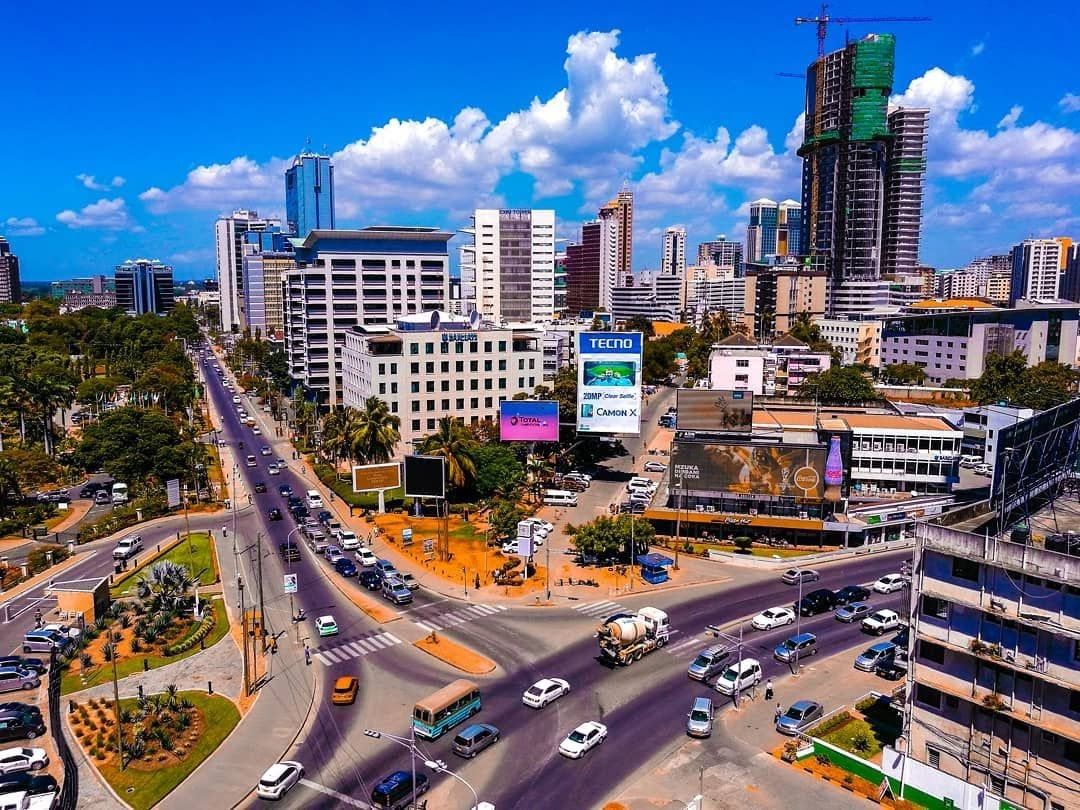
Japan imports cars are very popular in Tanzania. They’re widely used in logistics, construction, and agriculture and currently the backbone of personal and commercial transport. If you’ve ever wondered how to import a car from Japan to Tanzania without getting lost in translation or buried in fees, this guide is for you.
According to the Japan Used Motor Vehicle Exporters Association, Tanzania ranked as the third-largest destination for Japanese used cars in December 2025, with over 13,300 units arriving in a single month.
Quality control through inspection systems (such as the EAA) is well-established, making import operations relatively stable.
For many Tanzania’s the savings on imported cars are evident. That 2019 Toyota Vitz sitting at a local dealership for 25 million TZS would often cost 20-40% less in Japan before shipping and taxes.
However, the process of importing from Japan to Tanzania can be very overwhelming and sometimes confusing.
How much do you pay in taxes? How long will the shipping take? What paperwork is needed? Are there other extra fees?
The question isn’t whether to import. It’s how to do it without getting burned with hidden fees, ending up with cars stuck at port or worse scammed.
Fortunately, trusted Japanese auction platforms and car dealers like TokyoCarZ exist specifically to eliminate those risks. We bridge the gap between Tanzanian buyers and Japan’s wholesale market, handling the paperwork, translations, and logistics so you don’t have to.
2026 is an excellent year to make your move.
Why Tanzanian Buyers Choose Japanese Used Cars
Tanzania’s geography is diverse and demanding. From paved highways in Dar es Salaam to rugged dirt tracks leading to Ngorongoro, drivers need vehicles that handle variable conditions without constant breakdowns.
Japanese cars are engineered with durability and mechanical simplicity in mind. The Toyota Land Cruiser(V8 and Prado) is the undisputed king of Tanzania’s roads. You see them everywhere from safari vehicles in the Selous to UN convoys in the west, and NGO field operations to family transport in rural areas. Their reputation for toughness is unmatched.
For lighter duty, the Subaru Forester and Nissan X-Trail combine capable suspension systems with fuel efficiency, making them ideal for mixed terrains.
This dominance isn’t accidental. It’s built on decades of proven performance across African roads.
Let’s break down exactly why Tanzanian buyers keep choosing Japanese imports year after year.
- Strict “Shaken” Inspections
Japan’s mandatory bi-annual vehicle inspection is famously rigorous. It covers everything from brake pad thickness to headlight aim. Owners either maintain their cars properly or face expensive repairs before the next inspection. Consequently, most people sell before the Shaken is due. This creates a market flooded with well-maintained vehicles in exceptional condition. When you import a car from Japan to Tanzania, you’re buying a vehicle with documented history and proven maintenance.
- Low Mileage Culture
Japanese drivers typically cover shorter distances than their counterparts in many countries. Commutes are often compact, and excellent public transit reduces daily wear. This results in lower mileage on engines, transmissions, and suspension components. A five-year-old car from Japan might have significantly fewer kilometers than a similar vehicle from other markets.
- Right-Hand Drive Compatibility
Here’s an important point: Tanzania drives on the left. Japanese vehicles are right-hand drive by default. Therefore, registration is straightforward, and parts sourcing is simpler. You won’t need complicated conversions or modifications just to make the car road-legal.
- High-Tech Auctions
Japan’s auctions and car import systems are transparent and detailed. Every vehicle comes with an auction sheet, a comprehensive condition report that grades everything from exterior scratches to engine performance. Rust is noted. Repairs are documented. Mileage is verified. This eliminates guesswork about a vehicle’s history.
- Cost Advantage
Let’s talk money. After accounting for shipping, duties, and taxes, a direct import from Japan typically undercuts local dealer prices by 20-40%. That’s not pocket change. It’s the difference between settling for a base model and driving exactly what you want.
- Strong Resale Value
Japanese used cars don’t just drive well, they also hold value. Because demand consistently outpaces supply, vehicles from Toyota and Honda often resell at strong prices even after years of use .
This value retention gives Tanzanian buyers financial security. You can upgrade or switch models later without suffering steep depreciation
Tanzania – Car Import Regulations and Legal Requirements (2026)
Understanding Tanzania’s car import regulations and legal requirements isn’t just compliance—it’s the foundation of a successful, stress-free import.
It prevents costly delays, port rejections, and unexpected expenses.
By making compliance your first step, you transform the import process from a daunting gamble into a controlled, predictable, and successful transaction.
Steering Position and Age Limit
- Right-Hand Drive (RHD): Tanzania drives on the left therefore requires all imported vehicles to be right-hand drive. Fortunately, this aligns perfectly with Japan’s standard configuration so no expensive conversions are needed. View Road Traffic Act Tanzania for details.
- The age limit is 8 years : However, there’s an important nuance: Tanzania does not ban vehicles older than 8 years outright. Instead, they apply penalty excise duties(25% for non-utility, 5% for utility) that make older imports significantly more expensive.
The age is counted from the year of manufacture, not first registration . For 2026 imports:
Standard rates apply: Vehicles manufactured in 2018 or later
Penalty applies: Vehicles manufactured in 2017 or earlier.
View Details
- The age limit is 8 years : However, there’s an important nuance: Tanzania does not ban vehicles older than 8 years outright. Instead, they apply penalty excise duties(25% for non-utility, 5% for utility) that make older imports significantly more expensive.
Tanzania Import Duties and Taxes (TRA Calculations)
All taxes are based on the CIF Value—Cost of vehicle + Insurance + Freight . Tanzania’s tax structure is cascading, meaning each tax builds on the previous ones.
- Important Note: Engine capacity in Tanzania heavily influences Excise Duty. A small 1,000cc hatchback faces lower rates than a 3,000cc SUV.
Tax Components by Engine Capacity.
| Engine Capacity | Import Duty | Excise Duty | VAT | Railway Levy | Total (Approx) |
|---|---|---|---|---|---|
| Up to 1,500cc | 25% | 0% | 18% | 1.5% | ~49% of CIF |
| 1,501cc – 2,500cc | 25% | 10% | 18% | 1.5% | ~59% of CIF |
| Above 2,500cc | 25% | 15% | 18% | 1.5% | ~64% of CIF |
- Let’s compare three popular
| Vehicle Model | Engine Size | Vehicle Type | Realistic CIF (2019) | Import Duty (25%) | Excise Duty | VAT (18%) | RDL (1.5%) | Total Taxes | Tax % of CIF |
|---|---|---|---|---|---|---|---|---|---|
| Nissan Note | 1,200cc | Compact Hatchback | $5,000 | $1,250 | 0% ($0) | $1,125 | $75 | $2,450 | 49.0% |
| Isuzu D-Max | 2,500cc | Double Cab Pickup | $14,000 | $3,500 | 10% ($1,750) | $3,465 | $210 | $8,925 | 63.8% |
| Toyota Alphard | 3,500cc | Luxury Minivan | $25,000 | $6,250 | 15% ($4,688) | $6,469 | $375 | $17,782 | 71.1% |
- Additionally, budget for port handling charges at Dar es Salaam. These typically range from TZS 1,500,000 to 3,000,000 depending on vehicle size, shipping line fees, and customs broker costs.
Tanzania Bureau of Standards Inspection
- Before your vehicle can be shipped, the Tanzania Bureau of Standards requires a mandatory Pre-shipment Verification of Conformity (PVoC) to comply with TBS safety and environmental standards.
Approved Inspection Bodies:
- EAA Company Limited (TBS-authorized agent)
JAAI (Japan Automobile Appraisal Institute)
JEVIC (Japan Export Vehicle Inspection Center)
QISJ (Quality Inspection Services Japan)
These organizations inspect:
Engine condition and transmission function
Body structure and chassis integrity
Brakes, lights, tires, and suspension
Odometer verification (photographed and recorded)
Vehicle Identification Number (VIN) matching
Overall roadworthiness
After passing inspection, you receive either a Certificate of Conformity (CoC) or Certificate of Roadworthiness (CoR) . This document is mandatory for customs clearance in Tanzania. View more details on PVoC Certification Guideline Procedure inspection.
- No inspection equals no clearance. Therefore, ensuring this step is completed correctly is non-negotiable. Fortunately, reputable car exporters arrange this automatically.
- Before your vehicle can be shipped, the Tanzania Bureau of Standards requires a mandatory Pre-shipment Verification of Conformity (PVoC) to comply with TBS safety and environmental standards.
Shipping Ports and Time Estimates
- Primary Port of Entry: Port of Dar es Salaam. All sea shipments destined for Tanzania land here. It’s the most straightforward route with established procedures.
- Alternative Routes: Some buyers in northern Tanzania consider shipping via Mombasa (Kenya). However, this adds cross-border logistics and customs complexity at Namanga or Horohoro. For most buyers, direct to Dar es Salaam is simpler.
- Shipping Time: Sea freight from major Japanese ports (Yokohama, Nagoya, Kobe) to Dar es Salaam typically takes 4 to 6 weeks. The vessel routes through Southeast Asia and across the Indian Ocean.
- Inland Clearance: Vehicles can be cleared directly at the port. Alternatively, they can be transported to an ICD (Inland Container Depot) if needed.
✔️ Step 1: Find and Secure Your Vehicle
The first step to import a car from Japan to Tanzania is selecting the right vehicle. You have two main options.
Option A: Access Live Auctions
Japanese auctions happen daily. Hundreds of thousands of vehicles cycle through these sales every month. TokyoCarZ gives you direct access to these auctions with full translation support. You see the same auction sheets dealers use. You set your maximum bid. We execute on your behalf.
The auction sheet is your best friend here. It grades the vehicle on multiple factors:
Exterior condition: Scratches, dents, paint quality
Interior wear: Seat condition, dashboard, electronics
Mechanical rating: Engine and transmission health
Rust assessment: Critical for coastal buyers
Repair history: Any accident damage is disclosed
Grades typically run from 1 (poor) to 5 (excellent). Grade 4 or 4.5 vehicles represent excellent condition with minimal wear. Grade 3.5 is average for age—normal scratches, runs well. Learn more about auction grades.
Option B: Choose from available vehicles (Ready for import)
Key advice: Focus on car models popular in Tanzania. Additionally, verify the manufacturing year meets the 8 Year Rule before bidding.
✔️ Step 2: Payment and Japanese Export Documentation
You win the auction or you find your match on stock options. Congratulations. Now the paperwork begins.
Payment Process
Most exporters require bank transfer or letter of credit. These are standard methods, though you should always use traceable, documented channels. Keep every receipt and wire confirmation.
Once payment clears, the vehicle is officially yours.
Key Export Documents
TokyoCarZ handles all Japanese export documentation. This includes:
Export Certificate (Yushutsu Shoumeisho): The most important document. It proves the vehicle was legally exported from Japan and is required for Tanzanian registration.
Deregistration Certificate: Proof the car is no longer registered in Japan. Prevents double-registration complications.
Auction Sheet: The original condition report. Keep this forever—it documents the vehicle’s condition at time of purchase.
Commercial Invoice: Details the purchase price for customs valuation.
TBS Pre-Shipment Inspection
We also arrange the mandatory TBS inspection in Japan. An approved agent inspects the vehicle and issues the Certificate of Roadworthiness required for clearance in Dar es Salaam. This step is automatic with TokyoCarZ—you don’t need to coordinate it yourself.
✔️ Step 3: Shipping and Insurance to Dar es Salaam
Your car is paid for. The papers are ready. Now it needs to cross the ocean.
- Choose a Shipping Method
- Ro-Ro (Roll-on/Roll-off) . Most importers prefer Ro-Ro shipping from Japan to Tanzania. The car drives onto the vessel, gets secured, and drives off in Dar es Salaam. It’s cost-effective and works for 99% of imports.
- Container shipping from Japan to Dar es salaam is another option. It’s more expensive but offers maximum protection. This is typically reserved for high-value classics or non-running vehicles.
- Marine Insurance
TokyoCarZ manages marine insurance coverage. We strongly recommend full replacement value coverage. Ships sometimes encounter rough weather. Containers occasionally shift. Ports can have accidents. Insurance is inexpensive compared to losing your entire investment.
- Real-Time Tracking
Throughout the voyage, you’ll receive vessel tracking information. You can follow your car’s progress across the Indian Ocean—from Japan through Southeast Asia to the East African coast.
The voyage typically takes 4–6 weeks. Factor this into your expectations.
✔️ Step 4: Tanzanian Port Clearance and Local Registration
The ship arrives. Your car is finally in Dar es Salaam. You’re close now.
Port Clearance Process
Upon arrival, the vehicle is offloaded and held in a customs area. A local clearing agent (coordinated by TokyoCarZ) takes over from here. They handle:
Submission of all documentation to TRA
Duty assessment based on CIF Value
Payment of import duty, excise duty, VAT, and any applicable levies
Physical inspection if required
Release from customs hold
Port charges begin accumulating the moment the ship lands. These include terminal handling fees, storage charges, and documentation costs. Having a competent clearing agent minimizes delays and prevents unnecessary storage fees.
View more details on required documents for customs clearance.
- TRA Registration
Once customs releases the vehicle, the final step is registration with Tanzania Revenue Authority. You’ll receive Tanzanian license plates and registration documents. Your car is now officially legal to drive on Tanzanian roads.
The moment you finally register and drive your car, that’s when it all becomes worthwhile. Successfully importing a car from Japan to Tanzania and driving a quality Japanese vehicle at a fraction of local dealer prices is an achievement.
Why TokyoCarZ?
Many Tanzanian buyers ask: Why use a platform like TokyoCarZ instead of handling everything myself? Here’s our answer.
- Auction & Market Expertise
We are your gateway to Japan’s largest auctions. Consequently, you get real-time bidding access to 100,000+ vehicles, far more than any individual exporter can offer. You’re not limited to whatever stock one dealer happens to have.
- Unmatched Transparency
Hidden fees are frustrating. We don’t do that. Our cost breakdowns are clear from the start. Auction sheets are translated honestly. There are no surprises when the invoice arrives.
- Compliance-First Approach
Tanzanian regulations shift occasionally. TRA updates systems. TBS modifies requirements. We stay current on all of it including the 8-Year Rule, tax calculations, inspection protocols. Therefore, your vehicle selection and documentation are compliant from day one. We won’t let you bid on a car that can’t clear Dar es Salaam port.
- End-to-End Guidance
From your first search to final delivery, a personal advisor guides you through every step. This means one point of contact throughout the process. Questions answered quickly. Problems solved before they become obstacles.
- Local Knowledge
We have built relationships with experienced clearing agents at Dar es Salaam port. This network streamlines clearance and reduces delays. Your car isn’t processed by strangers but it’s handled by professionals who understand JDM imports specifically.
Best-Selling & Recommended Japanese Cars for Tanzanian Roads by Category
Tanzanian roads feature certain Japanese models more than others. These vehicles have proven themselves in local conditions. Parts are available. Mechanics understand them. Resale value holds.
Family SUVs & Minivans
Ideal for families, safari tourism, and taxi services. These vehicles offer space, comfort, and legendary Japanese reliability.
| Model | Why It’s Popular |
|---|---|
| Toyota Harrier | Luxury feel, reliable V6 or hybrid options, comfortable ride |
| Toyota Noah / Voxy | Spacious minivans, perfect for families or airport transfers |
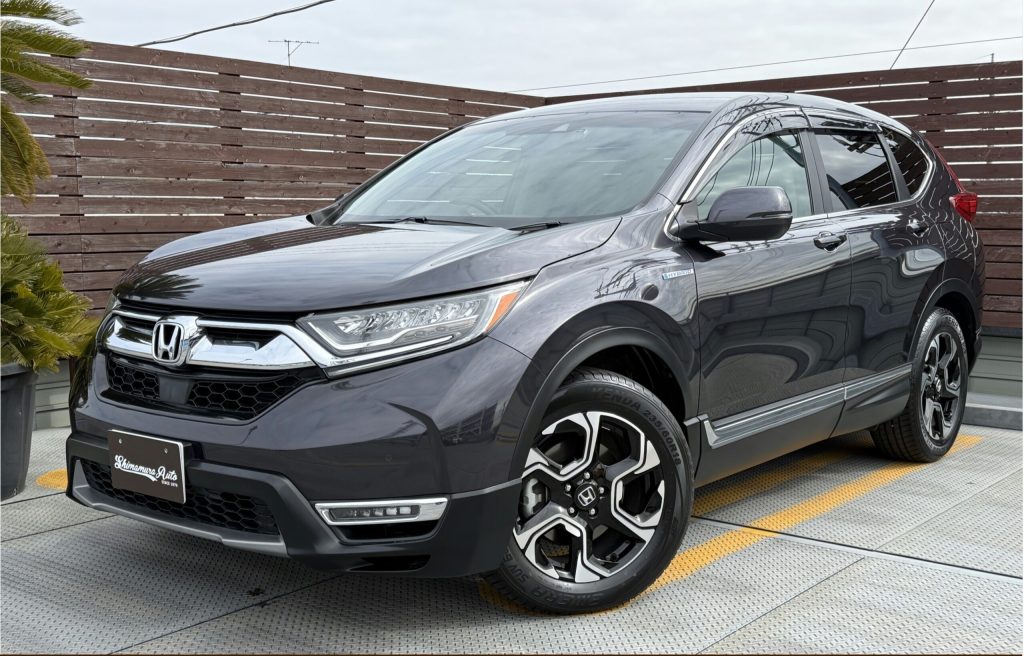
| Honda CR-V | Compact SUV, good ground clearance, fuel-efficient |
| Honda Stepwagon | Versatile interior, unique tailgate options, practical |
| Nissan Serena | Affordable minivan, hybrid versions available, common parts |
| Nissan X-Trail | Capable SUV, all-wheel drive options, rugged design |
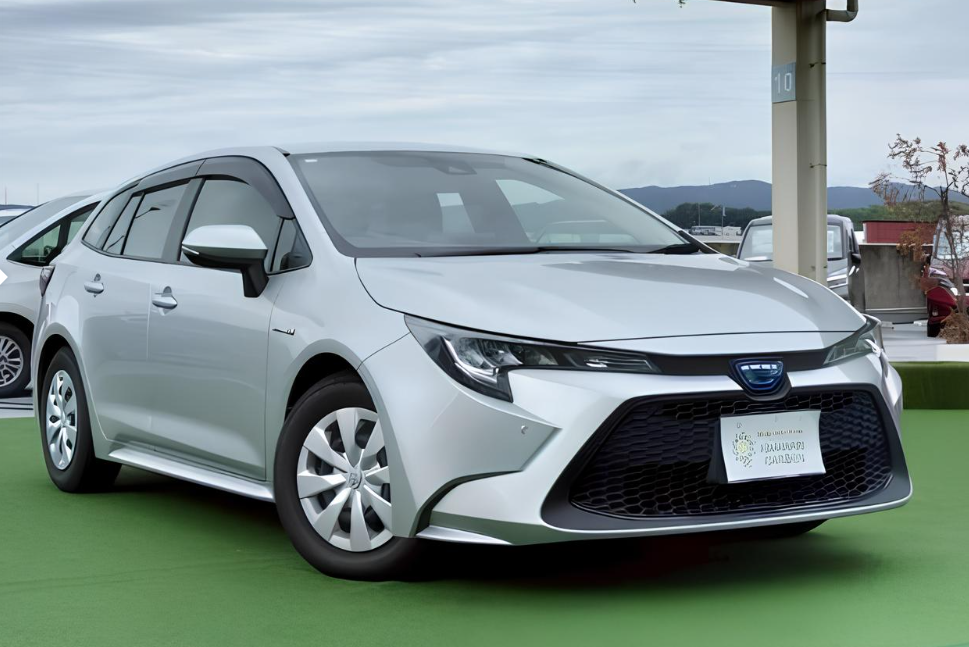
Fuel-Efficient Sedans & Hatchbacks
Perfect for daily commuting in Dar, Arusha, and Mwanza. Low running costs make these economical choices for personal transport.
| Model | Why It’s Popular |
|---|---|
| Toyota Corolla / Fielder | The benchmark. Reliable, parts everywhere, holds value |
| Toyota Vitz / Passo | City cars that sip fuel, perfect for traffic, affordable |
| Honda Fit / Grace | “Magic Seat” versatility, excellent fuel economy, compact |
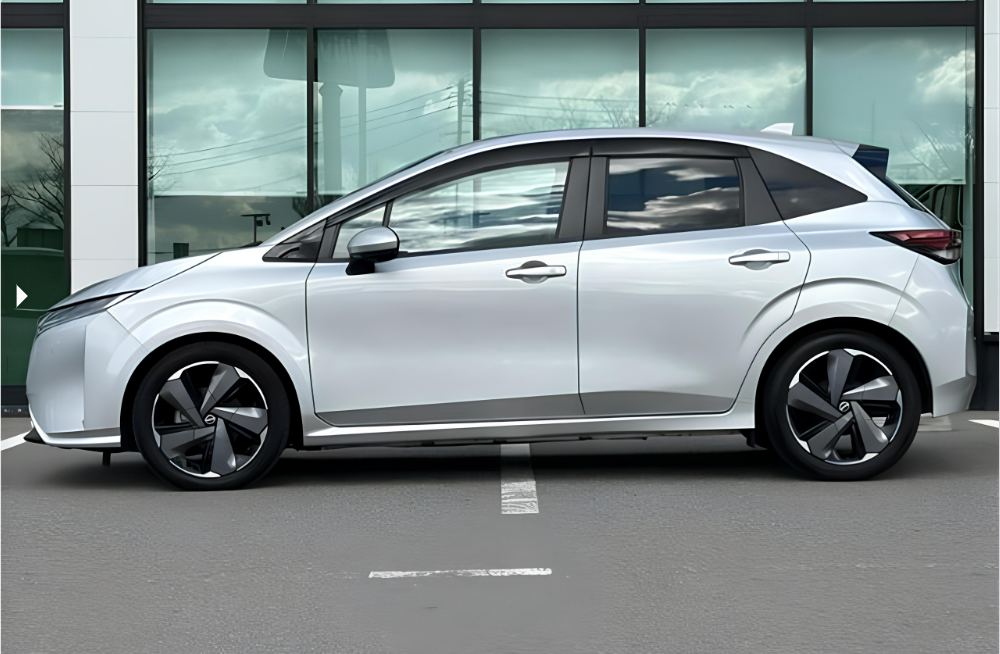
| Nissan Note | Surprisingly spacious interior, e-Power hybrid option |
| Nissan Tilda / March | Budget-friendly, simple mechanics, easy to maintain |
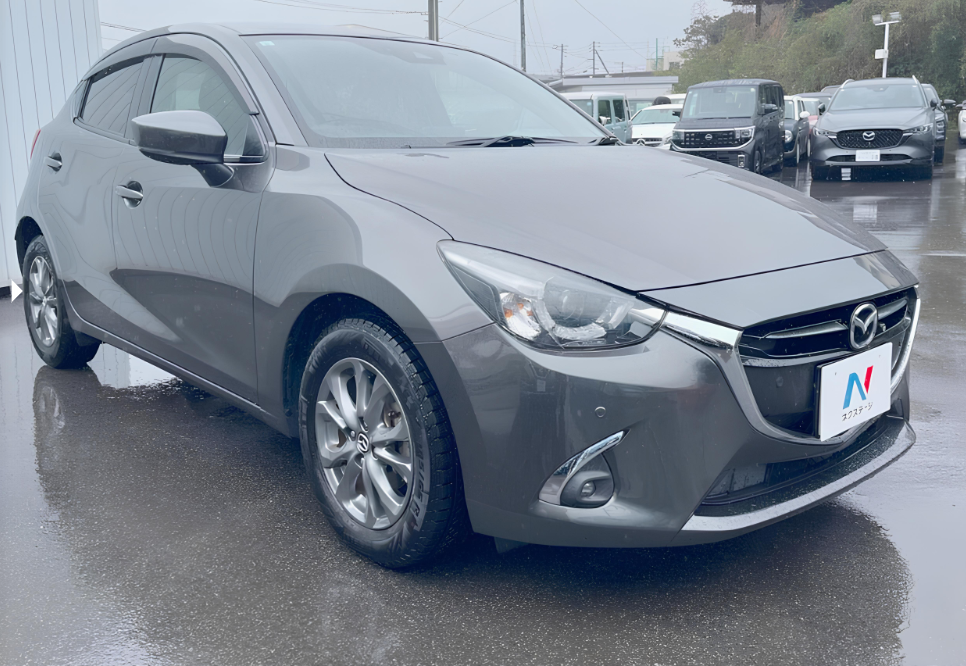
| Mazda Demio | Sporty handling, stylish design, fuel-efficient Skyactiv engines |
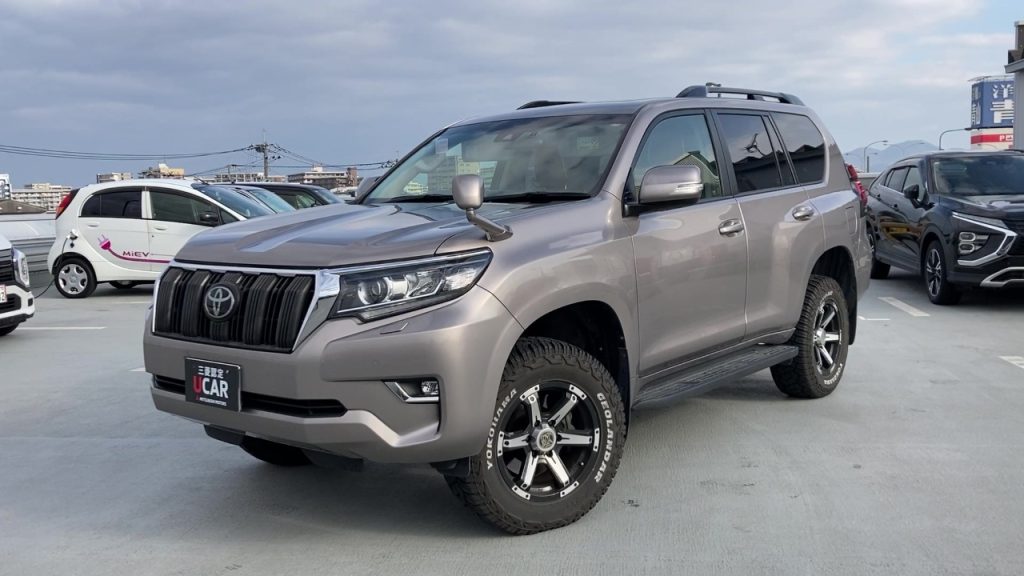
Off-Road & Commercial Vehicles
Built for construction, farming, safaris, and Tanzania’s tougher terrain. These vehicles offer durability where it matters most.
| Model | Why It’s Popular |
|---|---|
| Toyota Land Cruiser Prado | The status SUV. Rugged, comfortable, unstoppable off-road |
| Toyota Land Cruiser 70 Series | The workhorse. Mines, safaris, construction—it never quits |
| Mitsubishi Pajero | Proven off-road capability, strong diesel options, durable |
| Mitsubishi Delica | 4WD van, camper conversions, surprisingly capable |
| Isuzu Elf / Toyota Dyna | Light trucks for business, commercial operators swear by them |
Frequently Asked Questions (FAQs) – 2026 Tanzania Focus
Q1: What is the maximum age of a used car I can import to Tanzania?
A: The age limit is 8 years : However, there’s an important nuance: Tanzania does not ban vehicles older than 8 years outright. Instead, they apply penalty excise duties(25% for non-utility, 5% for utility) that make older imports significantly more expensive.
However, always verify the specific cut-off date with current TRA regulations before bidding. Rules can occasionally change, and your clearing agent can confirm the latest requirements.
Q2: How are Tanzania import taxes calculated for Japanese used cars?
A: Taxes are based on the CIF Value (Cost of car + Insurance + Freight). They typically include Import Duty (~25%, varying by engine size), Excise Duty (significantly higher for larger engines), and VAT (18% of the cumulative value).
Additionally, there are port handling fees and potential levies. The total cost to import a car from Japan to Tanzania often reaches 50-70% of the CIF value once all taxes apply. Use an online calculator or consult your clearing agent for a precise estimate.
Q3: Do I need an inspection in Japan before shipping?
A: Yes, it is mandatory. All used vehicles imported to Tanzania must undergo a pre-shipment inspection by a TBS-approved agent (like EAA) in Japan. This produces a Certificate of Roadworthiness required for clearance in Dar es Salaam. Fortunately, TokyoCarZ arranges this for you seamlessly.
Q4: How long does shipping take from Japan to Tanzania?
A: Sea freight from major Japanese ports (Yokohama, Nagoya, Kobe) to the Port of Dar es Salaam typically takes 4 to 6 weeks. Consequently, total time from auction win to driving the car can be 8–12 weeks, including clearance and registration.
Q5: Is it cheaper to import via Dar es Salaam or Mombasa?
A: For final use in Tanzania, importing directly to Dar es Salaam is usually simpler and more cost-effective. This route avoids cross-border customs procedures, additional transport costs from Kenya, and potential delays at border crossings. Therefore, use Mombasa only if you have specific logistics for northern Tanzania and are prepared for extra costs.
Q6: Can I clear the car myself at Dar port?
A: Technically yes, you can. However, it is highly recommended to use a licensed customs clearing agent. These professionals understand TRA systems, duty calculations, and port processes intimately. Ultimately, they save you time and prevent costly mistakes. The agent fee is money well spent.
Q7: What happens if my car arrives and the taxes are higher than I expected?
A: This is why pre-shipment estimates matter. Your clearing agent can calculate expected duties before the ship arrives. If the assessment differs significantly from your estimate, you can request a review from TRA. However, accurate documentation and honest valuation prevent most surprises.
Conclusion & Next Steps
Importing a vehicle from Japan to Tanzania isn’t just about saving money. It’s about choice. Local dealers can only show you whatever inventory they happen to have. Trusted Japanese auctions and car dealers give you access to thousands of vehicles, including specific trims, colors, engine options, and model years you simply cannot find locally.
Success comes from respecting the process. Adhere to the rules. Complete the TBS inspection. Budget accurately for TRA taxes. Work with experienced partners.
Importing your car from Japan to Tanzania unlocks a world of quality, choice, and value. It transforms a dream car into a daily driver you can rely on.
Ready to Import from Japan to Tanzania?
You’ve read the guide. You understand the steps. Now it’s time to take action.
Browse current auction inventory on TokyoCarZ and see what’s available. Filter by models popular in Tanzania. Or reach out to our support team for a personalized, no-obligation consultation and free price quotation.
Our advisors understand Tanzanian regulations. They know which models clear Dar es Salaam port smoothly. They’ll guide you from first search to final registration.
Your next car is in Japan. Let’s bring it home to Tanzania.
