


Imagine accessing thousands of pristine, low-mileage vehicles, from German luxury sedans to Japanese performance legends, at wholesale prices. That is the reality of Japanese car auctions.
For decades, these auctions have been the world’s largest wholesale used car marketplace, offering unparalleled selection, transparency, and value.
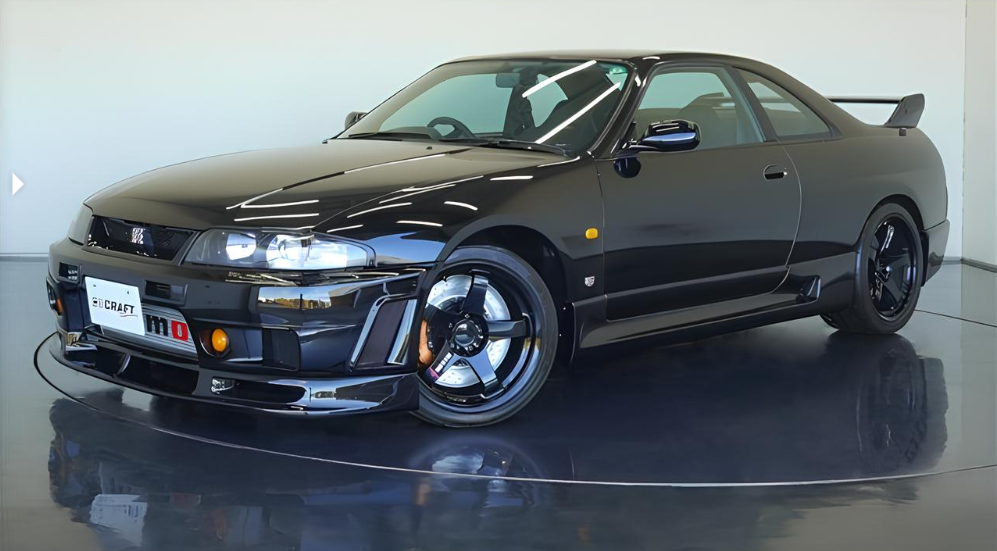
Whether you’re hunting for a BMW M4, a Mercedes-Benz G-Wagon, or a Nissan GT-R, the auction system offers access you simply cannot find locally.
New to Japanese car imports? This guide covers how Japanese car auctions work, key auction houses, Auction sheets and best bidding practices for buyers.
What Are Japanese Car Auctions?
Japanese car import auctions are large-scale, organized marketplaces where used vehicles are sold to licensed dealers and exporters. Over 100,000 vehicles pass through these auctions weekly, more than most countries see in a year.
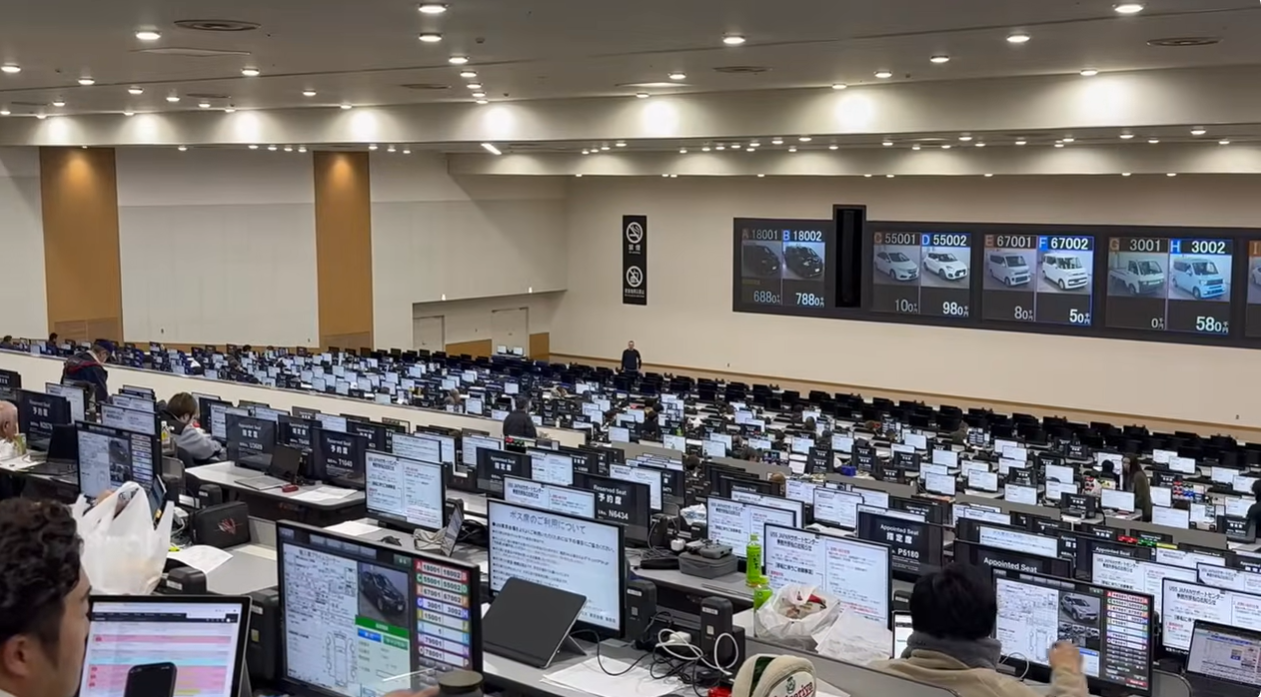
Unlike traditional car auctions, inside a Japanese car auction house, bidding is quiet, fast-paced and is a highly digital process. Buyers often sit in library- like spacious halls, watching screens as bids are placed electronically.
Traditionally, participation has been limited to licensed Japanese dealers. However, international buyers can access these auctions through authorized exporters like TokyoCarZ. We bid on your behalf, handle the paperwork, and ensure the vehicle reaches your doorstep.
What makes Japanese auctions so special?
Japan’s rigorous “Shaken” inspection system, a mandatory bi-annual vehicle check, forces owners to maintain their cars meticulously. Combined with a culture of frequent vehicle turnover, this creates a steady supply of well-maintained, low-mileage vehicles.
The key to the system’s trustworthiness is the auction sheet. A condition report that provides a standardized, unbiased assessment of every vehicle available on auction. No marketing spin. No “dealer certified” fluff. Just the facts.
Auction vs. Stock: Key Differences
Before diving deeper, lets consider key differences between buying from a Japan car auction and opting to buy your car from available stock options.
Each has distinct advantages.
| Aspect | Auction (Bidding) | Stock (Fixed Price) |
|---|---|---|
| Pricing | Wholesale prices, Bidding process, significant savings | Fixed price, direct purchase, no Bidding hustle |
| Selection | Thousands weekly; rare models appear regularly | Limited to existing inventory |
| Transparency | Detailed auction sheet with third-party inspection grade | Depends on the exporter (Some like TokyoCarZ will have it available) |
| Speed | 1–2 weeks from bid to export documentation | Immediate or within days |
| Control | You set bid limit and target grades | You choose from available inventory |
5 Pros of Buying at Auction
Lower wholesale pricing avoids local dealer markups
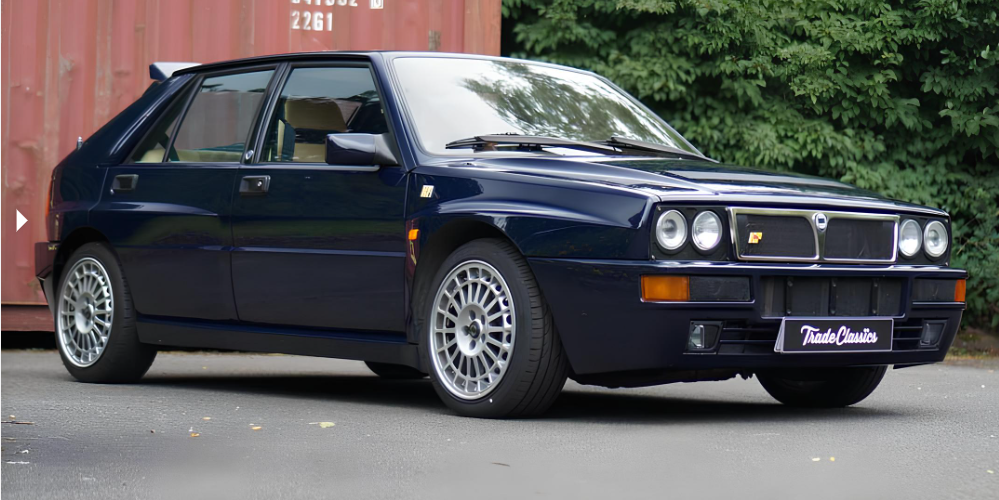
Massive weekly selection includes rare European and JDM models
Third-party grading ensures unbiased condition reporting
Auction sheets document mileage, grade, rust, and prior repairs
Real-time bidding shows actual market value
5 Cons of Buying at Auction
No physical inspection or test drive before bidding
Popular models attract competition, driving up prices
Learning curve for auction sheets and grading
6–10 week wait from winning bid to delivery
The Best Japanese Car Auction Houses
So where exactly do these Japanese car auctions happen?
Several auction houses dominate Japan’s used car market. Each has unique strengths where some excel in luxury European vehicles, others in high-volume Japanese models.
Understanding these differences helps you target the right venue for your specific vehicle.
Lets review a few below. For detailed location information, schedules, and deeper analysis, visit Japanese Car Auction Houses – Here Are The Best Ones! to learn more.
- USS Auto Auction: Japan’s largest auction group with 19 venues across the country. Holds auctions almost daily. Excellent for high-volume selection and premium vehicles.
- HAA Kobe: USS-affiliated with over 11,000 vehicles weekly.
- JU Auto Auction: Most widespread with 23 venues. Strong selection across all vehicle categories.
- AUCNET: The pioneer of online vehicle auctions. Entirely digital with over 7,000 dealers. Ideal for remote buyers seeking European luxury models like BMW, Mercedes-Benz, and Porsche.
- TAA (Toyota Auto Auction): Official Toyota auction network with the strictest quality control. Premium choice for Lexus and Toyota buyers.
- ARAI Auto Auction: Only auction house associated with Japan’s National Auto Auction Association. Excellent for trucks and specialty vehicles.
- Bay Auc Auto Auction: Premium customer experience with strict quality standards.
The best Japanese car exporters like TokyCarZ, have access to majority of these auctions. That gives you access to a pool of roughly 200,000 vehicles per week to choose from, rather than just the small number of cars a single dealer might have in their own yard.
How Japanese Car Auctions Work: Step-by-Step
The process follows a clear sequence. Each step builds on the previous one.
Step 1: Vehicle Inspection
Inspection methods vary by auction house. USS and HAA offer fast-paced impartially inspections to evaluate vehicles in line with their 10 grade scoring system. Their teams evaluate thousands of vehicles daily, applying consistent criteria across all lots.
TAA applies the strictest quality control, with a Grade 4 from TAA often exceeding expectations because Toyota’s own standards are higher than industry norms. AUCNET auctions vehicles often stay at thousands of different dealership lots across Japan and relies on detailed photographic and written reports. ARAI deploys its own inspection teams for on-site verification.
Step 2: The Auction Sheet Explained
Before bidding, vehicles are inspected and assigned a grade, with detailed auction sheets highlighting condition, accidents, and history.
Key elements to look for:
Grade: 4 and above indicate excellent condition. 4.5 and 5 are near-showroom quality. “R” means repaired damage; “RA” means minor repaired damage.
Interior Code: A through E ratings (A is excellent, E is heavily worn)
Rust Score: Critical for coastal buyers and northern region vehicles
Verified Mileage: Documented from the vehicle’s last registration
Repair History: Triangle symbols indicate panel replacement or repair
A Grade 4.5 with Interior A and verified 45,000 km indicates a vehicle in near-showroom condition, often exactly what discerning buyers seek. Learn more about the auction sheet grades.
Step 3: Short-Listing & Pre-Bid Verification
Based on your criteria, that is model, year, mileage, grade and budget, you identify target vehicles. Reputable exporters like TokyoCarZ perform additional checks beyond the auction sheet.
For high-end European cars, this often includes:
Undercarriage photos to verify rust condition
Engine start videos to confirm smooth operation
Service history confirmation for vehicles with documented maintenance
Equipment verification (specific packages, options, or factory upgrades)
This ensures you know exactly what you are bidding on before committing, which often involves paying a small commitment fee.
Step 4: Bidding Strategies
Successful bidding requires discipline. Here is how experienced buyers approach it:
Set a firm limit based on market research; never exceed it, even when the auction heats up.
Factor in all costs: auction fees, export documentation, shipping, insurance, and destination taxes.
Decide on proxy or live bidding. Your exporter can place bids automatically up to your limit or execute live bids based on your instructions.
Understand timing. European cars often sell at different times than mainstream Japanese models. Your advisor knows these schedules.
Step 5: Winning the Bid
If you win, the auction house issues a Sales Confirmation. Payment is typically due within 3–7 days. Your exporter handles payment, collects the vehicle from the auction house, and begins export documentation.
At this stage, you receive:
Auction sheet (the original condition report)
Sales confirmation from the auction house
Export certificate (Yushutsu Shoumeisho) once export procedures begin
Step 6: Shipping and Delivery
After purchase, the vehicle is transported to the port, typically Yokohama or Nagoya.
Ro-Ro (Roll-on/Roll-off) is the most common and cost-effective shipping method. However, container shipping offers higher protection for high-value European cars or electric cars and is strongly recommended for vehicles like Porsche 911s, BMW M-series, or Mercedes-AMG models.
Marine insurance is strongly recommended. Ships encounter rough weather, and containers occasionally shift. Insurance is inexpensive compared to losing your investment.
Timeline: 4–8 weeks to North America or Australia, depending on destination and vessel routing.
Japanese Auction Market Dynamics (2026)
Based on our JUMVEA reports, and industry analysis :
|
Trend |
Impact |
|---|---|
| Strong yen weakness | Sustained export demand, higher auction prices |
| Hybrid demand surge | Toyota Aqua, Corolla, and Nissan Note prices firming |
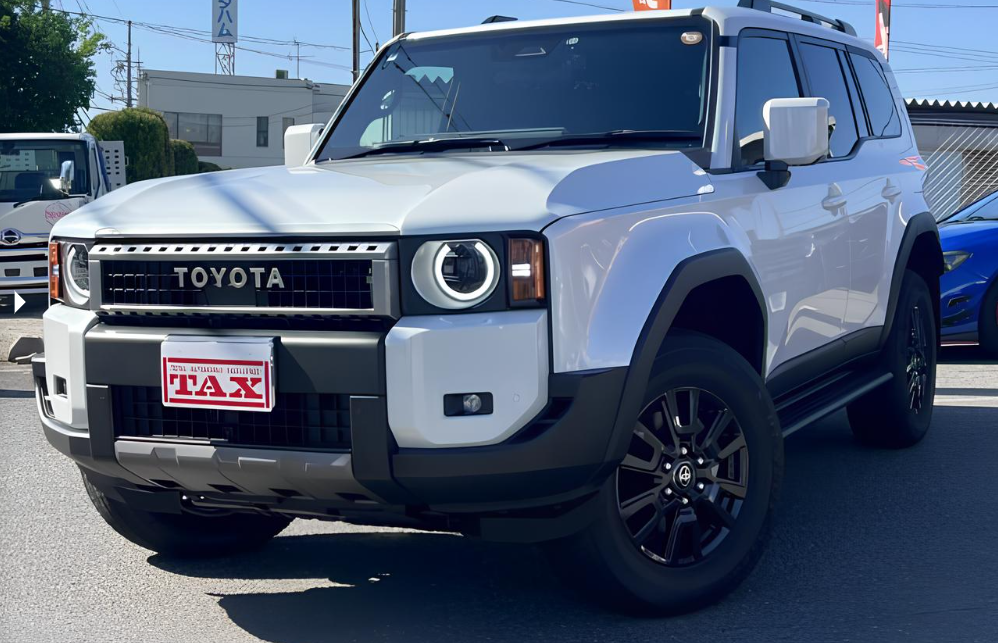
| SUV/4×4 demand | Land Cruiser and Prado prices remain elevated |
| European car demand | Steady; BMW and Mercedes at major auctions |

Best Practices for First-Time Auction Buyers
Start with Research: Study auction sheets and understand grading before bidding. Knowledge prevents costly mistakes.
Work with a Trusted Exporter: Choose JUMVEA-member exporters with transparent processes and verifiable Japanese office addresses.
Don’t Chase Bargains: The lowest-priced car often has hidden issues. Prioritize grade and documentation over price.
Budget for All Costs: Factor in auction fees, shipping, insurance, duties, and local compliance before setting your bid limit.
Request Pre-Bid Inspections: For high-value vehicles, additional inspections prevent expensive surprises.
Be Patient: The right vehicle will appear. Rushing leads to overpaying or accepting lower quality.
Consider European Models: Japanese auctions are excellent sources for well-maintained used BMW, Mercedes-Benz, Porsche, and Audi models.
Frequently Asked Questions (FAQs)
Q1: Can I participate in Japanese car auctions from the USA or Australia?
A: Yes, but not directly. Only licensed Japanese dealers can bid at physical auctions. International buyers participate through authorized exporters like TokyoCarZ, who bid on your behalf and handle the entire process.
Q2: What does the auction grade mean?
A: Grades range from 1 to 5. Grade 4 and above indicate excellent condition. Grade 4.5 and 5 are near-showroom quality. “R” indicates repaired damage; “RA” indicates minor repaired damage.
Q3: Are European cars available at Japanese auctions?
A: Absolutely. Japanese auctions feature BMW, Mercedes-Benz, Porsche, Audi, Range Rover, and more—often meticulously maintained with low mileage. The selection of high-end European models is particularly strong at USS and AUCNET.
Q4: How do I know I’m not buying a damaged car?
A: The auction sheet documents accident history and panel replacements using standardized symbols. TokyoCarZ also performs pre-bid inspections including undercarriage photos and engine start videos for added confidence.
Q5: What is the difference between USS, AUCNET, and TAA?
A: USS is Japan’s largest physical auction group with 19 venues. AUCNET is fully online, making it ideal for remote buyers. TAA is Toyota’s official network with the strictest quality control standards.
Q6: How much can I save buying at auction versus locally?
A: Many buyers save 20–40% compared to local dealer prices, especially on high-end European models and low-mileage Japanese luxury vehicles. Savings vary by model and market conditions.
Q7: What happens if I win a bid and change my mind?
A: Auction bids are final and binding. A non-refundable deposit is typically required before bidding. This ensures serious participation.
Q8: How do I know the mileage is accurate?
A: Japanese auction sheets document mileage from the vehicle’s last registration. Odometer fraud is exceptionally rare due to strict laws and the Shaken inspection system, which records mileage at every inspection.
Q9: What is the best auction house for high-end European cars?
A: USS and AUCNET are excellent for European models due to large selection and frequent offerings. Consult your TokyoCarZ advisor for specific recommendations based on your target vehicle.
Q10: How long does the auction-to-delivery process take?
A: Typically 8–12 weeks: export documentation (1–2 weeks), ocean freight (4–8 weeks), and customs clearance (1–2 weeks). High-value vehicles shipped in containers may take slightly longer.
Q11: Where can I buy Japanese Auctioned Cars?
Get direct, real-time access to USS, AUCNET, TAA, and other major auction houses through registered and certified exporters like TokyoCarz. We will help you decode auction sheets, set bid limits, and perform pre-bid inspections. End-to-end service from bidding to shipping simplified in a transparent and fast process.
Conclusion & Next Steps
Japanese car auctions offer unparalleled access to high-quality vehicles at wholesale prices. For enthusiasts seeking European luxury or Japanese performance, the auction system provides transparency, competitive pricing, and incredible selection.
Understanding how Japanese car auctions work is the first step. Partnering with a trusted auction-access platform like TokyoCarZ transforms a complex process into a straightforward, rewarding experience.
Visit TokyoCarZ to browse current auction inventory or contact our team to start your journey. Your next vehicle is waiting in Japan.
