


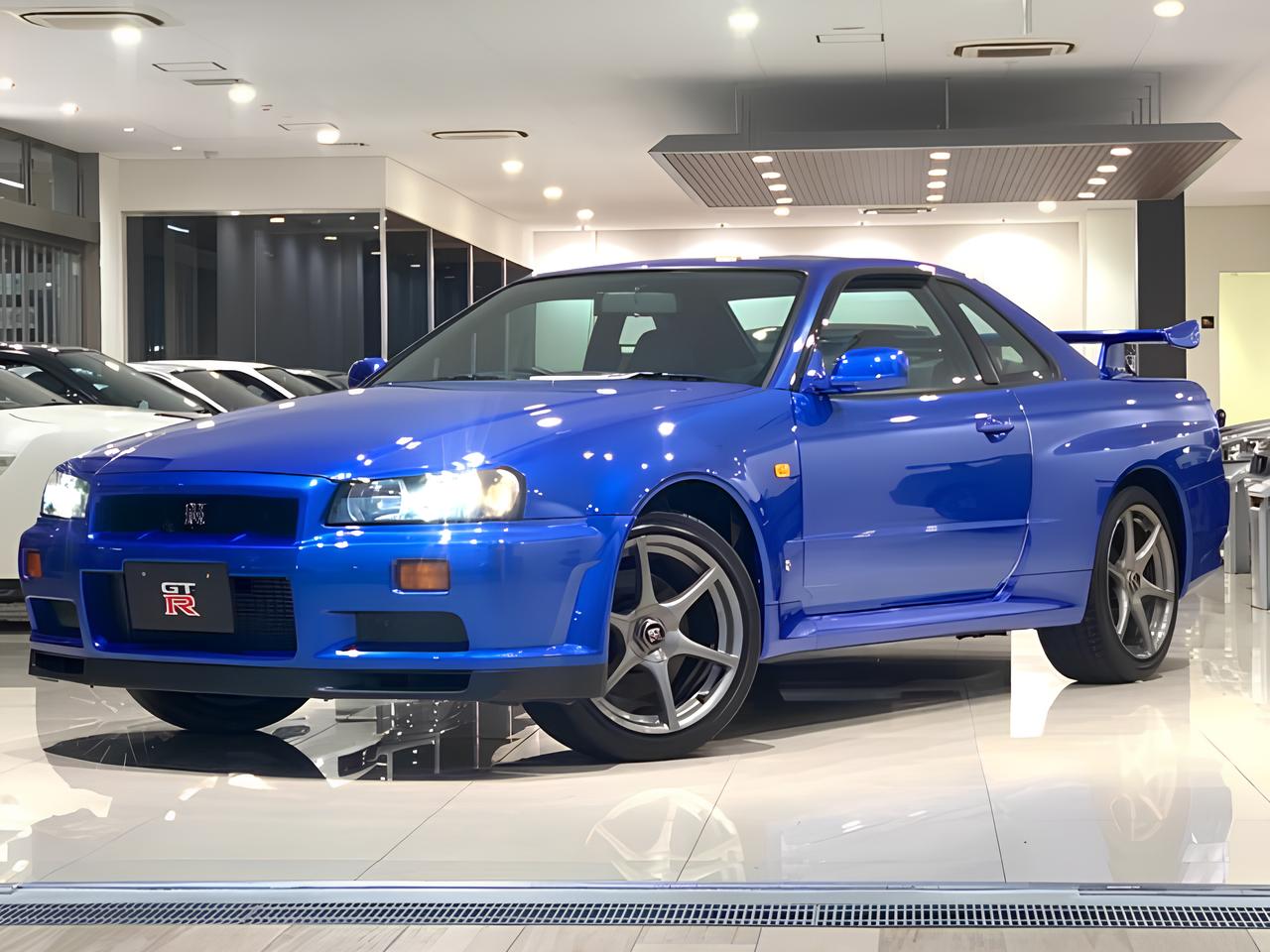
Japan is a treasure trove of pristine, well-maintained vehicles, from legendary JDM classics to affordable everyday drivers. But for many buyers, the import process feels like a black box. If you’ve ever wondered how to import a car from Japan without getting lost in translation or buried in fees, this guide is for you.
Let’s be clear from the start: importing a vehicle is not an overnight process. From the moment you win an auction to the day you turn the key in your own driveway, you should expect a timeline of 8 to 10 weeks. This journey requires patience, attention to detail, and a willingness to navigate bureaucracy. However, for those who follow the steps correctly, the reward is access to a vehicle that often exceeds the quality of anything available in the local used market.
Why Import a car from Japan?
Why is Japanese quality so renowned?
It comes down to the “Shaken” Japan’s rigorous bi-annual inspection system for roadworthy vehicles. This process is expensive and thorough, encouraging owners to maintain their cars meticulously and sell them before the next inspection is due. Consequently, creating a constant flow of well-documented, low-mileage vehicles with minimal corrosion, thanks to Japan’s climate and widespread use of undercoating.
Before diving into the logistical steps, it’s crucial to understand exactly what makes sourcing a vehicle from Japan such a compelling option. It’s not just about the potential cost savings; it’s about access to a different class of vehicle altogether .
- Vehicle Quality: As mentioned, the Shaken system is the bedrock of Japanese used car quality.
This isn’t just an emissions test; it’s a comprehensive inspection of everything from brakes and lights to the undercarriage. The result is a market where a 5-year-old car is often indistinguishable from a 2-year-old car in other countries. Odometer fraud is exceptionally rare because the vehicle’s history is documented with every inspection, providing a clear and trustworthy record .
- Market Advantage (2026 Update): The Japanese automotive industry is currently undergoing a massive shift toward electric and hybrid vehicles.
As domestic demand for new EVs surges, the market is being flooded with pristine, late-model gasoline and diesel vehicles. This creates a unique opportunity for international buyers in 2026 to secure high-quality, low-mileage cars at very attractive auction prices. The selection is vast, and the turnover is fast.
- Access to Models: Perhaps the most exciting reason to import is the sheer variety.
You are not limited to what local dealers decide to bring in. Japan’s domestic market offers a treasure trove of models that were never officially exported. This includes practical Kei trucks and vans for sale perfect for small businesses, as well as enthusiast favorites like the Nissan Skyline GT-R, turbocharged vans, and special-edition SUVs that you simply cannot find anywhere else.
- Cost Advantage: When you cut out the local middleman, you often access a vehicle at its wholesale value.
Even after you factor in shipping, insurance, and import duties, the final “landed” cost of a direct import can be significantly more competitive than buying an equivalent (or often inferior) model from a domestic used car lot. These are just a few reasons why thousands of buyers choose to import a car from Japan every year.
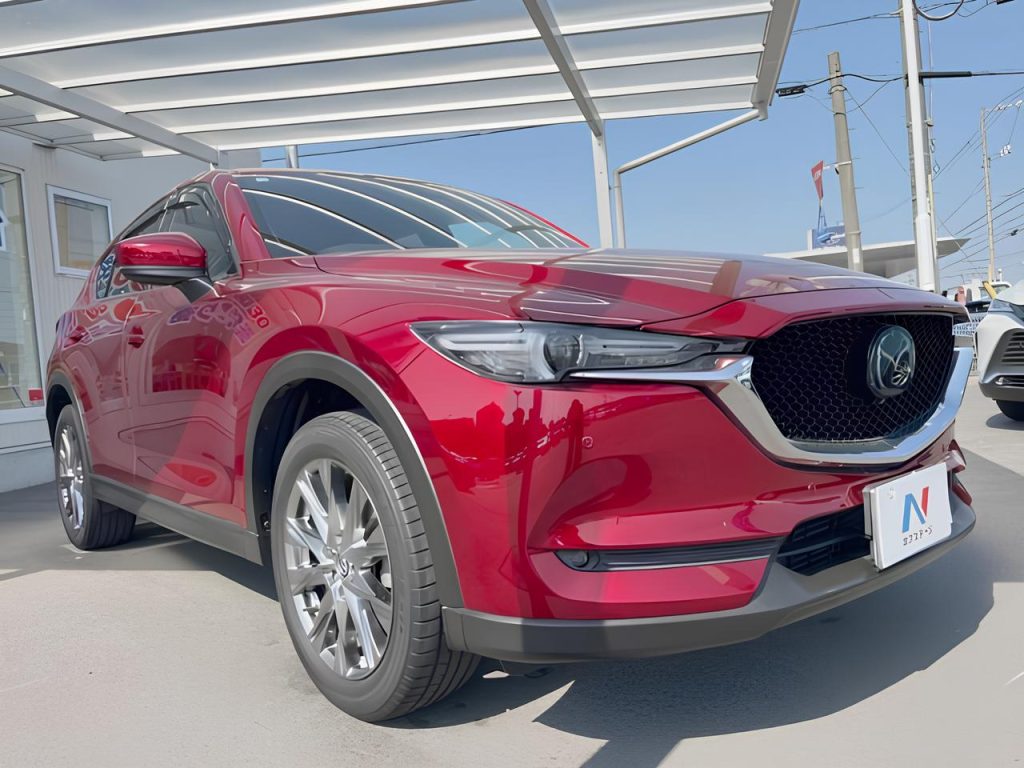
Top Import Destinations from Japan
According to our JUMVEA records at least 282,112 new vehicles were exported in January alone. That’s over 3.3 million vehicles annually if the trend holds.
In a single month, over 95,000 vehicles head to the United States, more than 20,000 go to Canada and over 18,000 land in Australia.
A clear indication that this isn’t a small market but a massive global pipeline.
In other words, you’re not alone. Thousands of people just like you import from Japan every single month.
| Region | Countries | Combined Volume | Insight |
|---|---|---|---|
| North America | USA (95,452) + Canada (20,924) | 116,376 | The largest regional market. RORO ships to West Coast are constant. |
| Middle East | Saudi (14,060) + UAE (10,739) + Kuwait (2,620) + Qatar (2,368) + Oman (2,049) + Bahrain (1,177) + Iraq (1,150) + Jordan (1,092) | ~35,000+ | Massive demand for Land Cruisers, Patrols, and luxury SUVs. |
| Oceania | Australia (18,118) + NZ (2,674) + PNG (334) + Fiji (106) | ~21,000+ | RHD markets with strong ute and wagon demand. |
| Europe | UK (5,290) + Germany (6,943) + Italy (5,204) + Spain (5,088) + France (2,136) + others | ~40,000+ | Small cars, hybrids, and RHD for UK/Ireland. |
| Africa | South Africa (1,504) + Nigeria (806) + Kenya (19) + Tanzania (11) + others | ~2,500+ (new) | Used market is much larger than new figures show. |
Alright, enough background. You know why Japan is the place to source a car. You’ve seen the numbers. Now let’s walk through exactly how it’s done. From finding the right vehicle to finally getting those license plates.
Miss a step and you’re stuck with a car at the port and no way to register it. Follow along and you’ll be driving in a few months.
Step 1: Research and Choose Your Vehicle
This is where most people get excited and also where most people make mistakes. Slow down. Do the homework now, and you’ll save yourself headaches later.
- Determine Your Total Budget
Here’s a mistake first-timers make: they look at the auction price and think, “That’s what I’ll pay.” Nope. That’s just the beginning. You need to stack up the real costs:
The purchase price (plus auction fees)
Shipping—RORO is cheaper, containers offer more protection
Marine insurance (because ships sometimes sink)
Import duties and taxes (these vary wildly by country)
Customs broker fees (pay a pro, seriously)
Compliance modifications (headlights, emissions, speedometers)
Local registration and inspection fees
Add it all up before you bid. Then add a cushion. Surprises happen.
- Check Import Eligibility
This is critical, and it’s where dreams die if you skip it. Every country has rules about what can enter.
USA: The 25-year rule means anything older than 1999 (in 2026) is exempt from federal safety standards. Newer than that? You’re looking at a much harder path.
Canada: Same idea, but it’s 15 years.
Australia: The vehicle must be 25 years old or older, determined from the date of manufacture.
Kenya, Tanzania, Uganda: Strict age limits—usually 8 years max.
UK/Europe: Individual Vehicle Approval (IVA) may be required.
- United Arab Emirates: There’s a 10-year age limit for most used imports, though vehicles older than 30 years can qualify for classic status with special permits
- Pakistan: As of 2026, Pakistan now allows commercial import of used vehicles that are less than five years old
Check your local laws before you fall in love with a car you can’t legally import.
- Find a Reputable Exporter
Not all exporters are created equal. Some are just proxy bidders who take your money and hope for the best. You want a partner with actual auction access, transparent fees, and a track record. Platforms like TokyoCarZ give you direct access to Japanese auctions with full translation support. You see the same auction sheets dealers see. You set your own bid limit with no middleman markup.
- Assess Vehicle Condition
Japanese auction sheets look like hieroglyphics at first, but they’re actually incredibly detailed. You’ll see grades like:
Grade 4 or 4.5: Excellent condition. Low miles. Minimal wear.
Grade 3.5: Average for age. Normal scratches, runs well.
Grade R or RA: Repaired damage. The sheet will tell you where and how.
Pay special attention to rust notes. Auction sheets mention it, but photos tell the full story.
Proper research is the foundation of a successful import car from Japan journey.
Step 2: Make the Purchase and Secure Documentation
You found the car. You checked the rules. You set your budget. Now it’s time to actually buy the thing.
- Winning the Bid
Most Japanese used cars move through auction. You bid in real time against dealers and exporters. If you’re using a platform like TokyoCarZ auction, you set your max bid and they execute for you. No surprises. No last-minute panic bidding.
Most exporters also offer vehicles available and are ready to import. It’s a faster option, but you lose the chance to bid at auction prices.
- Payment Process
This isn’t Amazon. You won’t use a credit card. Most exporters require bank transfer or letter of credit. It’s safe if you’re working with a reputable partner, but you should always use traceable, documented methods. Keep every receipt. Every wire confirmation. You’ll need them later.
- Key Export Documents
Once the car is yours, the paperwork starts. These documents are your new best friends:
Export Certificate (Yushutsu Shoumeisho): This is the golden ticket. It proves the vehicle was legally exported from Japan. You’ll need it for registration in your home country.
Deregistration Certificate: Proof the car is no longer registered in Japan. Prevents weird double-registration issues down the line.
Bill of Lading: This is your contract with the shipping company. It’s also your proof of ownership while the car is at sea.
Auction Sheet: The original condition report. Keep this forever. It’s your evidence of what you bought and what condition it was in.
Once you win the auction, your import car from Japan moves from dream to documented reality.
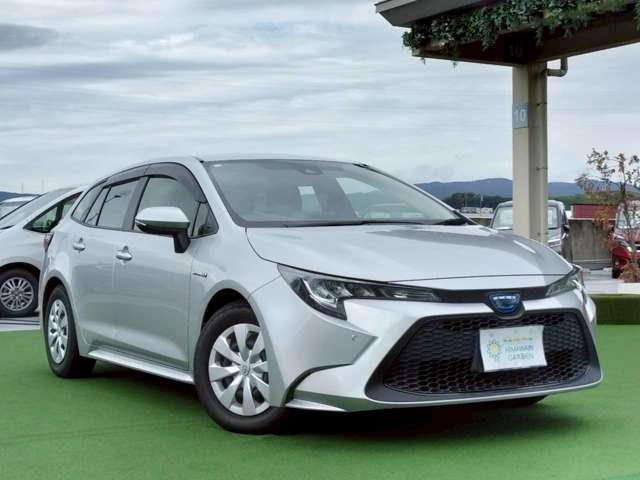
Step 3: Arrange Shipping and Insurance
Your car is paid. The papers are in order. Now it needs to cross an ocean.
- Choose a Shipping Method
There are two main options:
RORO (Roll-on/Roll-off): This is the standard choice. Your car drives onto the ship, gets secured, and drives off at the destination. It’s cost-effective and works for 95% of imports. The RO- RO rates will depend on the size of the vehicle and shipping ports.
Container Shipping: More expensive, but more protection. You get a 20ft or 40ft container all to yourself. This is necessary for non-running vehicles, ultra-high-value classics, or if you just want peace of mind.
- Get Marine Insurance
Here’s a hard truth: ships sometimes sink. Containers sometimes fall overboard. Ports sometimes have fires. Marine insurance is cheap compared to losing your entire investment. Get full replacement value coverage, and make sure it covers the car from the moment it leaves Japan to the moment it arrives at your local port.
- Domestic Transport in Japan
Your car won’t magically appear at the ship. It needs to get from the auction house to the export yard. That’s usually a short truck ride, and the cost is included in most exporter fees. They’ll handle consolidation, prep, and delivery to the port.
- Shipping Timeline
Shipping times vary depending on the vessel route, port congestion, and time of year(See best time to import).
Some routes are direct and fast. Others involve transshipment or canal transits that add weeks. Below are realistic estimates from Japan to major destinations in 2026. Keep in mind these are voyage times only and they don’t include potential delays at port for customs or documentation holds. This is why it’s important to have an experienced and transparent importer who will keep you informed and ensure you avoid common mistakes made during this time.
USA West Coast: 2–3 weeks
USA East Coast (via Panama): 4–6 weeks
Canada West Coast (Vancouver): 2–3 weeks
Canada East Coast (via Panama): 4–6 weeks
Australia / New Zealand: 3–4 weeks
United Arab Emirates (Jebel Ali / Fujairah): 3–4 weeks
South Africa (Durban / Cape Town): 4–5 weeks
Pakistan (Karachi): 1.5–2 weeks
United Kingdom (Southampton): 4–5 weeks
Kenya / Tanzania (Mombasa / Dar es Salaam): 4–6 weeks
Rest of Africa (West Coast via Suez): 5–8 weeks
Rest of Europe (via Suez): 5–7 weeks
This is often the longest wait when you import a car from Japan, so patience is key.

Step 4: Prepare for Customs Clearance and Compliance
The ship is en route. Its time to get your paperwork ready. This is where importers either succeed or get stuck.
- Work with a Customs Broker
You could handle customs yourself, but you really, really shouldn’t.
Find a broker with specific experience handling JDM imports. They know the forms. They know the loopholes. They know which inspectors are reasonable and which ones will flag your car for weeks. Pay them. It’s worth it.
If you import your car from Japan with TokyoCarZ, we will connect you to the trusted brokers for a streamlined process.
- Submit Pre-Arrival Paperwork
Different countries will require different forms. Here’s what’s required in major markets:
USA: EPA Form 3520-1, DOT HS-7 declaration
Canada: RIV Form (Registrar of Imported Vehicles)
Australia: Import approval from the Department of Infrastructure
United Arab Emirates: Commercial invoice, Bill of Lading, H.S. Code Summary Sheet, MSDS (if lithium battery)
South Africa: Import declaration (within 7 days of arrival), commercial invoice, Bill of Lading, Certificate of Origin
Pakistan: Goods Declaration (GD) filed through WeBOC system, commercial invoice, Bill of Lading
United Kingdom: EORI number, customs declaration via HMRC CDS, commercial invoice, Bill of Lading
Kenya / Tanzania: Pre-shipment inspection certificate (QISJ or JEVIC), ID form, Bill of Lading
Rest of Europe: NOVA declaration, IVA application (if required), customs import declaration
Get these in before the ship docks. Waiting until the car arrives just means storage fees.
- Understand Compliance Modifications
A JDM car straight from auction is rarely street-legal in another country. For a deeper breakdown, refer to our extensive JDM guide on type approval vs roadworthiness.
Be ready for:
Headlight adjustments: Japanese beams point left. In most countries, they need to be adjusted or replaced.
Speedometer conversion: Kilometers to miles, either with a new overlay or a digital recalibration.
Emissions retrofits: Some cars need catalytic converters or tuning to meet local standards.
Daytime running lights: Required in Canada, optional elsewhere.
Child seat anchors: Required on newer vehicles in most markets.
- Duty and Tax Payment
Duties are usually calculated as a percentage of the vehicle’s total value—including the purchase price, shipping, and insurance. Have funds ready. Payment is typically due at the time of clearance.
This stage separates serious buyers from the rest—proper customs clearance is how you legally import a car from Japan.
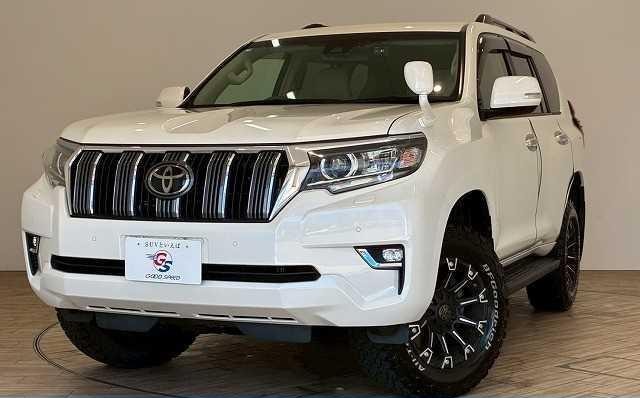
Do’s and Don’ts: Critical 2026 Compliance Rules
DO:
✓ Verify the 25-year rule based on the month of manufacture, not just the year.
✓ Keep all Japanese service records and the original auction sheet—they prove condition and history.
✓ Use a customs broker with JDM experience, even if it costs extra.
✓ Check state-level laws before bidding—some states restrict RHD vehicles or have unique emissions rules.
DON’T:
✗ Assume a JDM car is DOT-compliant—it almost never is without modifications.
✗ Ship a car with a standard flooded battery without disconnecting and taping terminals (IMO rules = delays).
✗ Rely solely on a broker’s “compliance included” offer without verifying what’s actually covered.
✗ Forget to budget for port storage fees if pickup is delayed. They add up fast.
Frequently Asked Questions (2026 Updates)
Q1: Can I import a right-hand drive car for daily use?
A: Yes, in most countries (UK, Australia, NZ, Japan itself), RHD is standard. In the US and Canada, RHD is legal in all 50 states, though some have restrictions (like parking lot visibility laws). Always check local rules before you bid.
Q2: What happens if my car fails emissions testing?
A: You’ll need to pay for modifications—catalytic converter, tuning, sensor replacement—and retest. This is why researching a model’s compliance history before you buy is so important.
Q3: Is financing available for JDM imports?
A: Few traditional banks finance imports while they’re still at sea. Most buyers pay via cash or wire transfer. In the US, specialty lenders like Woodside Credit offer loans for classic and import cars once they’re registered.
Q4: How do I know if an exporter is reputable?
A: Look for established presence, transparent fee structures, actual auction access (not just stock photos), and real reviews from previous buyers. Popular platforms like TokyoCarZ offer direct auction integration, so you see exactly what’s happening.
We are also a member of the JUMVEA (Japan Used Motor Vehicle Exporters Association) who certifies all vehicles that are purchased from Auctions and exported from Japan.
Q5: What is the cheapest way to ship a car from Japan?
A: RORO shipping is typically most cost-effective. Prices vary by destination port and season, but expect to pay $1,500–$2,500 USD to the US West Coast in 2026.
Q6: Can I track my car while it’s on the ship?
A: Yes. Your shipping line will provide a Bill of Lading number and a vessel name. You can track the ship’s location in real-time via marine tracking websites. It’s oddly addictive.
Importing a car from Japan isn’t just about saving money—it’s about driving something unique, well-maintained, and often impossible to find locally.
Ready to Import a car from Japan?
You’ve read the guide. You understand the steps. You know the timeline, and the potential pitfalls. Now it’s time to take action.
Browse current Japan auction cars on TokyoCarZ and see what’s available. Check a specific model’s eligibility in your country. Or reach out to the TokyoCarZ support team with questions. We have guided thousands of buyers through this exact process.
And if you’ve already imported a car? Share your experience in the comments. Future buyers will thank you.
Your next car is in Japan. Let’s go get it.
