


You’ve realized how much you can save from JDM cars and finally decided to place that bid. You won the auction. The boat landed. Customs cleared.
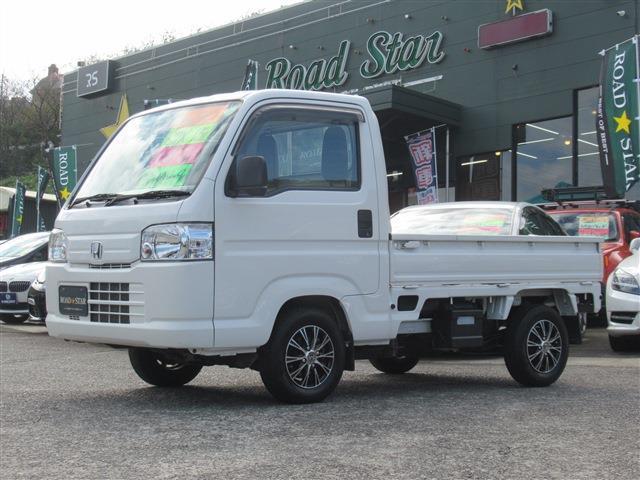
When you drive your Kei truck to the local DMV (your state or provincial registration authority), shock on you, they reject it because “the tires stick out too far.” How is this possible?
These are two entirely separate governments involved in every vehicle import. One approved it to enter the country. The other decides if you can drive it.
They don’t share databases. They don’t coordinate. They have completely different rules.
A vehicle can be 100% legal at the federal level and 100% illegal at the state level. This is not a contradiction. Think of it as a division of labor.
This article will break down Federal vs. State authority, identify where the gap lives, and explain in detail exactly how JDM car enthusiasts can bridge it.
The Two Governments: One Car, Two Bosses
Before we dive into the nuances of type approval vs roadworthiness, you need to understand that your vehicle answers to two different masters, who have completely different definitions of what makes a vehicle “legal.” Below is a general overview.
| Authority Level | Primary Focus | What They Care About | Approval Type |
|---|---|---|---|
| Federal / National Government | Consumer protection, emissions, safety design | Airbags, fuel systems, DOT lighting, EPA emissions | One-time paperwork check at border |
| State / Local Government | Road maintenance, public safety, traffic flow | Tire protrusion, headlight color, frame rust, mirror placement | Physical, recurring inspection |
Federal Type Approval: The Border Gate
When your Suzuki Every or Toyota Land Cruiser lands in your country, it first encounters national border approval. This is a design-based review. The agency that reviews it will depend entirely on where you are importing to.
For example, if you import a used Kei truck from Japan to the USA, at the port, it first encounters federal type approval administered by:
NHTSA (National Highway Traffic Safety Administration) for safety standards
EPA (Environmental Protection Agency) for emissions compliance
For vehicles under 25 years old, the importer must typically prove the vehicle meets FMVSS (Federal Motor Vehicle Safety Standards) or qualify for an exemption through a Registered Importer (RI) who performs necessary modifications.
If the JDM car is 25 years and older, there’s a shortcut: the 25-year rule exempts them from federal safety standards.
However, that exemption applies only to the federal layer. It does not touch state roadworthiness requirements.
This is the core of type approval vs roadworthiness: one is design, the other is condition. Federal type approval asks: “Does this vehicle, as designed, meet baseline safety and emissions specifications?” It’s a one-time question answered with paperwork and every country has its own version of the same question
By Country: Who Reviews Your Import at the Border?
| Country | Agency | What They Check |
|---|---|---|
| USA | NHTSA (safety), EPA (emissions) | FMVSS compliance, emissions, or 25-year exemption |
| Canada | Transport Canada, Environment Canada | RIV program, safety standards, emissions (or 15-year exemption) |
| Australia | Department of Infrastructure, RAVS | Vehicle Safety Compliance Certification, import approval |
| UK | DVSA, VCA | Individual Vehicle Approval (IVA) or Mutually Recognized standards |
| EU | National type approval authorities | EU Whole Vehicle Type Approval or individual conformity |
| UAE | MOI, ESMA | GCC standards, emissions, safety equipment |
| South Africa | NRCS | SABS standards, import permit, roadworthiness certification |
| New Zealand | NZTA | Low Volume Vehicle approval, compliance certification |
| Kenya / Nigeria | Kenya Bureau of Standards (KEBS), SONCAP | Age restrictions, roadworthiness, pre-shipment inspection |
| Tanzania | TBS (Tanzania Bureau of Standards), TRA (Tanzania Revenue Authority) | PVoC inspection in Japan, Certificate of Conformity, age limit (max 8 years), RHD only, customs duty assessment |
State Roadworthiness: The Pavement Police
Once your new used Kei Truck clears federal type approval (or the 25-year exemption), it faces the second layer: state roadworthiness. This is not design-based. It is condition-based, and it’s recurring.
State inspections vary dramatically, but common failure points for Japanese imports include:
Tire fender laws: In many states, tires must be fully covered by fenders. Kei trucks often have narrow bodies with tires that extend beyond the factory fenders perfectly legal in Japan, automatic failure in Pennsylvania or Virginia.
Headlight color and aim: Japanese beam patterns aim left (for left-hand traffic). In the US/Canada, they must aim right or be replaced with DOT-spec housings. Some states also regulate LED color temperature.
Frame rust: Surface rust is usually acceptable. Perforation, usually holes you can poke a screwdriver through is not. Japanese vehicles from northern regions (Hokkaido, Tohoku) can have undercarriage corrosion that fails a state safety inspection.
Mirror placement: Many JDM Kei trucks and vans like the Honda Acty, Subaru Sambar, Suzuki Every, and Daihatsu Hijet, feature fender-mounted mirrors. Depending on where you’re registering the vehicle, these can cause inspection failures:
In the US: Some states require mirrors that adjust from the driver’s seat or meet specific field-of-view standards.
In Australia: ADR (Australian Design Rules) mandate specific mirror placements that aftermarket fender mirrors may not satisfy.
In the UK: The IVA test checks mirror visibility and may require additional mirrors or replacements.
In Kenya/Tanzania:Local roadworthiness inspections often follow older British standards; fender mirrors may pass if visibility is adequate, but always verify locally.
VIN verification: JDM VIN formats don’t always match what state DMV databases expect. Some states require a physical inspection by law enforcement or a designated officer before they’ll issue a title.
Emissions testing: Some states perform sniffer tests on the tailpipe; others read OBD-II data. JDM ECUs may not communicate with local diagnostic tools, creating a compliance blind spot.
If you only understand half of the type approval vs roadworthiness equation, this is where surprises happen. You assume federal clearance means you’re done. In reality, you’re only halfway home.
The Gray Zone: Where Imports Get Trapped
Any vehicle that is different, modified, imported, or custom-built sits in the gray area between these two sets of rules. The tension of type approval vs roadworthiness is never more visible than with Kei trucks.
Consider a used Honda Acty or the popular Daihatsu Hijet:
Federal level: Often approved under “off-highway use” or agricultural exemptions. The importer declares it for farm or off-road use only.
State level: Must still meet on-road equipment laws—even if the owner plans to drive it on paved roads occasionally.
This creates a trap. The federal government doesn’t care if you drive it on the road as long as you didn’t lie on the import paperwork.
But the state government will care when a trooper pulls you over for missing DOT safety labels.
Other gray zone examples:
RHD conversions: Australian or UK vehicles converted to left-hand drive may pass federal import but fail state inspection if conversion work wasn’t documented properly.
Kit cars and replicas: Federal type approval doesn’t apply (they’re not “production vehicles”), but states often have entirely separate inspection tracks for assembled vehicles.
Modified classics: A 1990 Skyline with a modern engine swap passes 25-year federal exemption but may fail state emissions if the swap wasn’t done with period-correct components.
Real-World Scenarios: When Approval Doesn’t Mean Approval
Let’s make this concrete. Each of these scenarios illustrates a different angle of the type approval vs roadworthiness gap.
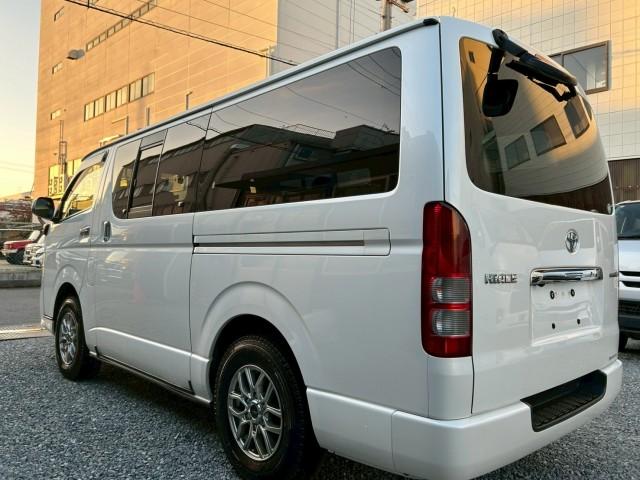
Scenario A: The Toyota Hiace Commercial Van (Australia)
Vehicle: 2016 Toyota Hiace (KDH200 series, JDM-spec, 3.0L diesel)
Federal (Australia): Granted Vehicle Import Approval (VIA) through Department of Infrastructure. Vehicle meets national import requirements.
State (Queensland): Owner takes van to Registered Automotive Workshop (RAW) for compliance. Workshop issues failure notice for:
Headlight beam pattern aimed left (Japanese spec) — illegal for Australian roads
No Australian Compliance Plate (must be fitted after modifications)
Odometer displays kilometers only — requires affidavit or conversion sticker
Diesel emissions system differs from Australian-market specification
Outcome: Vehicle is legally imported into Australia but cannot be registered until modifications are complete. Owner pays $2,500–$3,500 AUD in compliance work and waits 2–3 weeks before van is road-legal.
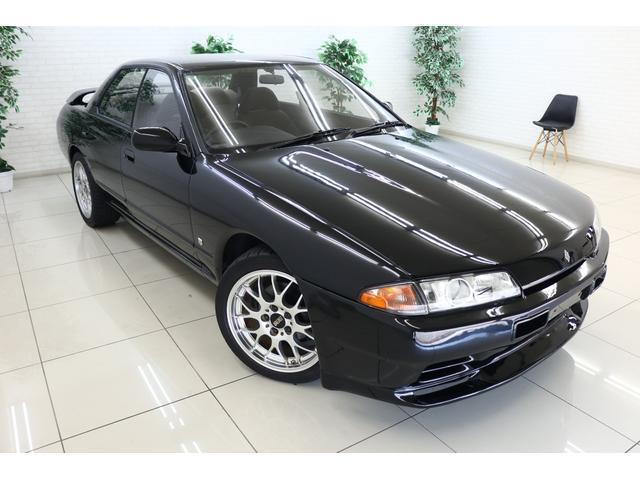
Scenario B: The Skyline GT-R (Canada)
Vehicle: 1994 Nissan Skyline GT-R (over 15 years old)
Federal (Canada): Cleared under the 15-year exemption through the Registrar of Imported Vehicles (RIV). Vehicle meets Transport Canada requirements for import. RIV fee paid ($295) and vehicle enters the RIV inspection process .
Provincial (British Columbia): Owner takes GT-R for provincial inspection. Facility issues rejection for:
No daytime running lights (DRL) — mandatory in Canada since 1990
Turn signal flash rate incorrect — JDM flasher unit incompatible with Canadian standards
Odometer displays kilometers only — acceptable but requires sworn affidavit or conversion sticker
No Canadian VIN in provincial database — triggers out-of-province inspection and possible provincial VIN assignment
Tire speed rating may not meet winter tire requirements (depending on season)
Outcome: Vehicle meets federal 15-year exemption but fails provincial roadworthiness. Owner must:
Install DRL module ($200–$400)
Replace flasher unit or rewire signals ($150–$300)
Obtain sworn affidavit for odometer ($50–$100)
Pay for out-of-province inspection ($150–$250)
Possibly receive provincial VIN (different from JDM VIN) that stays with vehicle permanently
Total unexpected cost: $800–$1,500 CAD. Total delay: 3–5 weeks.
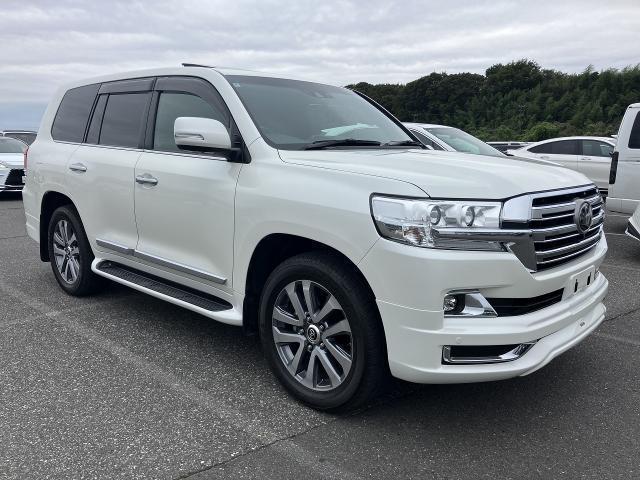
Scenario C: The Diesel SUV (United States)
Vehicle: 2016 Toyota Land Cruiser 200 Series (JDM-spec, 4.5L twin-turbo V8 diesel)
Federal (EPA/DOT): Vehicle is under 25 years, so it requires import through a Registered Importer (RI) . The importer must:
Post a bond for 150% of dutiable value
Modify the vehicle to meet FMVSS standards (seatbelts, lighting, bumpers, etc.)
Work with an Independent Commercial Importer (ICI) for EPA compliance
Hold the vehicle for 15 business days for EPA testing
Estimated modification cost: $15,000–$25,000
Estimated time: 3–6 months
State (California): Even after federal approval, the owner faces:
ECU communication error at smog check station—JDM diagnostics incompatible
No CARB certification for the diesel engine
Headlight beam pattern aimed left (requires replacement)
VIN verification issues
Outcome: The vehicle can be made federally legal—but at enormous cost. Most importers abandon these projects when they realize the total investment exceeds the vehicle’s value.
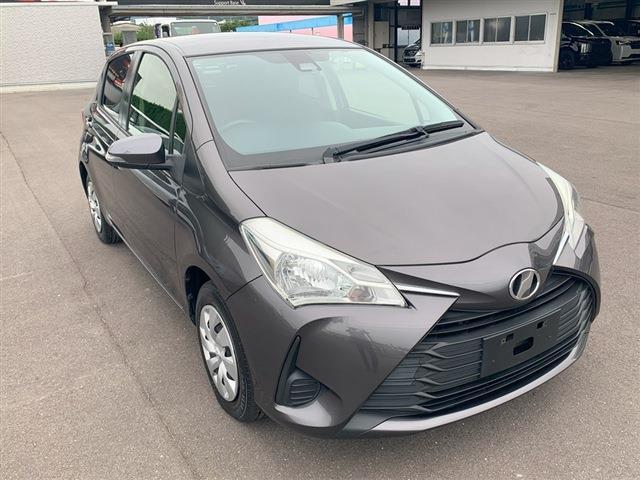
Scenario D: Toyota Vitz/Yaris (Kenya)
Vehicle: 2020 Toyota Vitz (JDM-spec, 1.0L or 1.3L petrol, hatchback)
Federal (Kenya): Cleared by Kenya Bureau of Standards (KEBS) through pre-shipment inspection in Japan. QISJ Certificate of Roadworthiness obtained. Vehicle meets the 8-year age limit (2019+ requirement satisfied) .
Local Registration (Nairobi): Owner takes Vitz to NTSA (National Transport and Safety Authority) for registration. Inspector issues rejection for:
Headlight beam pattern aimed left (Japanese spec) — illegal for Kenyan roads (RHD country, but Japan’s beam cutoff differs)
No reflective tape on rear — mandatory for all vehicles under Traffic Act rules (often overlooked by first-time importers)
Speedometer displays kilometers only — acceptable but requires verification letter
Child seat anchorage points — JDM Vitz may lack ISOFIX or top-tether points visible for inspection
VIN not recognized — triggers KRA verification process
Outcome: Vehicle is legally imported into Kenya (correct age, proper documentation) but cannot be registered until modifications complete. Owner faces:
Headlight conversion or beam adjustment: KES 12,000–20,000 ($95–$160)
Reflective tape installation: KES 3,000–5,000 ($25–$40)
Child seat anchorage retrofit (if possible): KES 15,000–25,000 ($120–$200)
VIN verification fee: KES 2,500 ($20)
Inspection rebooking: KES 1,000 ($8)
Total unexpected cost: $270–$450 USD equivalent. Total delay: 2–4 weeks.
Why this matters: The Toyota Vitz/Yaris is one of the most popular Japanese imports across Africa . It represents what ordinary families actually buy—yet even this “simple” daily driver faces compliance hurdles that surprise first-time importers.
Each of these scenarios illustrates a different angle of the type approval vs roadworthiness gap. The vehicles were legally imported but were illegal to drive.
The Pre-Purchase Checklist: 5 Questions to Ask Before Bidding
Before you place that bid on a Nissan Kei truck or Subaru Forester, ask these five questions. They’ll save you from discovering the type approval vs roadworthiness gap the hard way.
Does my state have a specific process for imported vehicles? Some states (California, New York) have dedicated import inspection stations. Others (Montana, South Dakota) have minimal oversight. Know before you bid.
Are there local shops that already know how to pass JDM cars? Search for “JDM inspection [your city]” or “Kei truck registration [your state].” If other owners have paved the way, your path is easier.
Can the vehicle be modified to meet local equipment laws? Some issues are easy (replace headlights, add mirrors). Others are structural (tire protrusion may require permanent fender modifications). Know what’s fixable.
Is there a registered importer or broker in my state who handles this? Even post-import, some brokers offer “concierge registration” services for an additional fee. It’s often worth it.
Have other owners of this model in my state successfully registered it? Join forums, ask in Facebook groups, search Reddit. If a dozen Honda Acty owners in your state are driving legally, you have a template.
How TokyoCarZ Helps You Navigate the Gap
At TokyoCarZ, we don’t just source vehicles—we educate buyers on the full journey from auction to asphalt.
Auction sheets reveal originality: Unmodified vehicles with original parts are easier to pass state inspection than heavily customized examples. Our translated auction sheets highlight modifications, repairs, and originality so you know what you’re bidding on.
Expert knowledge from experience: Our team has guided thousands of used cars imports through the registration process. We know the common pitfalls—which states flag Kei trucks for tire protrusion, where headlight beam patterns get rejected, which DMV offices have seen JDM VINs before. Before you bid, we share what we have learned so you avoid repeating others’ mistakes.
Transparent expectations: We tell you what the federal stage looks like, what documents you’ll need, what exemptions apply, what bonds may be required. You research the state stage armed with that knowledge.
We help you understand type approval vs roadworthiness so you bid with both eyes open. The auction is the beginning. Registration is the end. We bridge the gap between them.
Frequently Asked Questions (FAQ)
Q1: If a car passes federal import, why would a state reject it?
A: Federal approval meant it met design standards at the border. States inspect for current roadworthiness—which is the other half of the type approval vs roadworthiness split. Federal says you can own it. State says you can drive it.
Q2: Can I register a Kei truck in the US?
A: Yes, but it depends on your state. Some treat them as motorcycles (requiring motorcycle endorsement), some as cars, some restrict highway access entirely. Always check state laws before bidding, not after.
Q3: What is the 25-year rule?
A: Vehicles 25 years or older are exempt from federal FMVSS safety standards. However, they are not exempt from state safety inspections—the roadworthiness side of the equation. Age doesn’t bypass state equipment laws.
Q4: Do I need a broker to handle state registration?
A: Not always, but a local importer-friendly registration service can save weeks of DMV headaches. Search for “JDM registration service [your state]” before you attempt it alone.
Q5: Why do JDM cars fail headlight inspections?
A: Japanese beam patterns aim left (for left-hand traffic). In the US/Canada, they must aim right or be replaced with DOT-spec housings. This is the most common single failure point for JDM imports.
Q6: What is the difference between DOT approval and state inspection?
A: DOT approval is a design standard for manufacturers. State inspection is a condition check. That is type approval vs roadworthiness in a nutshell.
Q7: Can I fix a state rejection?
A: Usually yes—replace lights, adjust tires, repair rust, add mirrors. The gap is fixable; it just takes awareness and money. Rarely is a rejection permanent.
Q8: What happens if I drive an unregistered import?
A: Beyond tickets and impound, you risk the vehicle being flagged in law enforcement databases. Some states will seize and crush vehicles operated without proper registration. Don’t risk it.
Conclusion
The gap between federal and state isn’t a loophole—it’s two layers of protection. Federal keeps unsafe designs out of the country. State keeps unsafe vehicles off your local roads.
Importing from Japan isn’t just about winning the auction. It’s about understanding the entire legal journey from a Tokyo auction platform to your driveway. Master the difference between type approval vs roadworthiness, and you will never be surprised at the DMV again.
Ready to find your next JDM car? TokyoCarZ gives you auction access and the knowledge to navigate what comes next. Browse available high-quality used cars, contact our team with questions about specific models, and bid with confidence, knowing exactly what happens after the hammer drops.
